

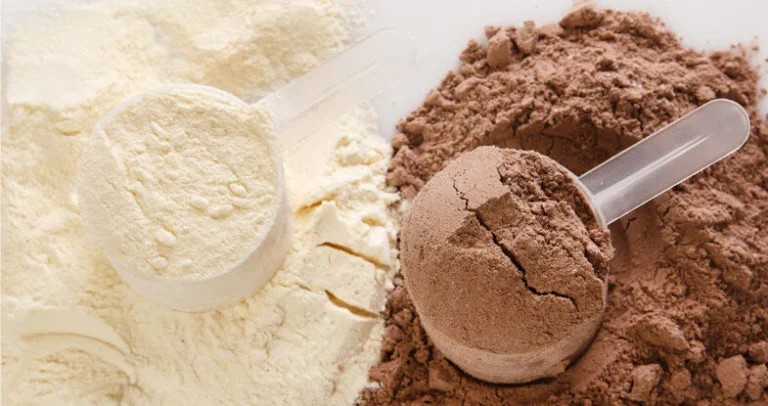
Protein supplements cover a wide range of products, and the differences between them matter more than most buyers realise when they are first scanning an aisle or a supplement website. Whey protein isolate occupies a specific position within the category, one that makes it particularly well suited to certain goals and dietary requirements, and understanding what distinguishes it from other forms of whey explains why it commands a higher price point and why that premium is often worth paying.
Whey itself is a by-product of cheese production, a liquid fraction of milk separated during curdling. It contains all nine essential amino acids, making it a complete protein, and it is digested and absorbed relatively quickly compared to other protein sources. The different forms of whey, concentrate, isolate, and hydrolysate, reflect the degree to which the raw whey has been filtered and processed.
Table of Contents
Why Isolate Is Different from Concentrate
Whey concentrate retains more of the naturally occurring fats and carbohydrates from milk alongside the protein. Depending on the specific product, concentrate can range from around 70 to 80 percent protein by weight, with the remainder being fat, lactose, and other milk solids.
Whey isolate undergoes additional microfiltration or ion-exchange processing that removes most of the fat and lactose, bringing the protein content up to around 90 percent or higher by weight. For people who are lactose-sensitive, isolate is significantly easier to digest. For those managing calories carefully, the lower fat and carbohydrate content means more protein per gram consumed. These are the core practical differences, and they explain why the documented benefits of whey protein isolate are particularly relevant to people with specific nutritional targets or digestive sensitivities.
Who Benefits Most from Whey Isolate
Athletes and people training at higher frequencies have the clearest case for prioritising protein quality. Muscle protein synthesis, the process by which exercise triggers new muscle tissue, requires adequate availability of amino acids in the recovery window. Whey isolate’s rapid absorption profile makes it efficient for post-training use, and its amino acid composition, particularly its leucine content, directly stimulates the signalling pathways that trigger muscle protein synthesis.
People managing calorie intake while trying to maintain or build muscle also benefit from the higher protein-to-calorie ratio of isolate. When protein needs are high and caloric room is limited, every gram of protein in a supplement that is not displacing fat or carbohydrate allocation matters.
Those who have experienced bloating or digestive discomfort with concentrate products often find isolate considerably more comfortable, because the lactose removal addresses the most common source of that discomfort.
How to Use It Effectively
Post-training consumption is the most evidence-supported timing for whey isolate. Within a 30 to 60 minute window after resistance exercise, protein availability directly supports recovery. A standard serving of 25 to 30 grams typically delivers 20 to 27 grams of protein depending on the product, sufficient to meaningfully support muscle protein synthesis.
Whey isolate also works well as a protein source in meals or snacks where whole food protein is inconvenient. Blended into a smoothie, mixed with oats, or used in baking, it adds a protein contribution without significantly altering flavour or texture.
Frequently Asked Questions
Is whey isolate suitable for lactose-intolerant people? Many people with lactose intolerance tolerate whey isolate well because most of the lactose is removed during processing. Individual tolerance varies, and those with severe intolerance should test cautiously.
Is whey isolate better than concentrate for building muscle? The difference in muscle-building outcomes between isolate and concentrate is modest when total daily protein intake is equivalent. Isolate is more relevant for those with digestive sensitivities or tight calorie budgets.
How much protein do I need per day? For active adults engaged in resistance training, evidence generally supports 1.6 to 2.2 grams of protein per kilogram of body weight per day as sufficient to support muscle growth and recovery.
Can I use whey isolate if I am not training? Yes. It is a convenient way to increase dietary protein intake regardless of exercise frequency, though the specific benefit of its rapid absorption profile is most relevant around training sessions.
Does whey isolate taste different from concentrate? Whey isolate tends to have a slightly cleaner flavour due to lower fat and lactose content. Most people find the taste neutral, especially in flavoured products.


