

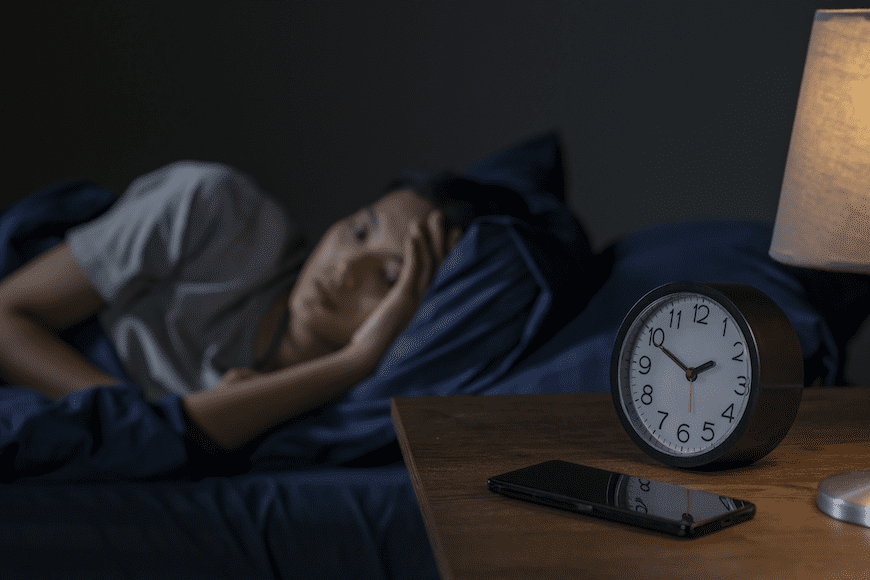
For many people living with post-traumatic stress disorder, disrupted sleep is not just a side effect of the condition. It is one of the most persistent and exhausting aspects of it. Nightmares, hyperarousal at night, difficulty falling asleep, and waking repeatedly are common experiences that can grind a person down over time and make other PTSD symptoms harder to manage during the day.
For patients exploring their options beyond standard treatment pathways, speaking with telehealth doctors about evidence-informed natural therapy approaches is a practical starting point. Horizon Health supports patients with holistic, patient-centred care available entirely online.
Table of Contents
How PTSD Disrupts Sleep
PTSD-related sleep disturbance is not simply a matter of feeling stressed before bed. The condition involves changes to the nervous system that affect how a person cycles through sleep stages, how easily threat responses activate during the night, and how the brain processes traumatic memory during REM sleep. This is why nightmares in PTSD are often vivid, repetitive, and closely connected to the original traumatic experience.
Poor sleep worsens daytime PTSD symptoms including hypervigilance, emotional dysregulation, and concentration difficulties, while unmanaged PTSD actively undermines sleep quality. Addressing sleep as part of a broader, collaborative PTSD care plan, rather than treating it as a secondary concern, tends to produce better outcomes across both domains.
Exploring PTSD Sleep Options
In Queensland, access to regulated alternative natural therapies for PTSD follows national guidelines set by the Therapeutic Goods Administration. Therapies that are not listed on the Australian Register of Therapeutic Goods can only be accessed through approved pathways, such as the Special Access Scheme or the Authorised Prescriber framework, and only when conventional treatments have not provided sufficient relief.
Within this clinical framework, natural and plant-based therapeutic options are sometimes considered as part of a broader PTSD treatment plan, particularly for patients who have not responded adequately to standard psychological therapies or first-line medications.
These are not over-the-counter solutions. Any therapeutic option explored through Horizon Health is assessed and prescribed by a qualified, registered doctor who follows all regulatory requirements. The goal is always to find a clinically appropriate approach for the individual patient’s specific circumstances and history.
Telehealth & Natural Therapies
For patients in Queensland, telehealth doctors play an important role in making regulated natural therapy pathways accessible without requiring travel to a physical specialist clinic. Online consultations are accepted under national guidelines, provided the assessment is thorough and properly documented. This is especially significant for people in regional and remote areas, where access to mental health and PTSD-specific care can be difficult to reach in person.
During your initial consultation, a clinician will take a comprehensive history covering your PTSD symptoms, their duration and severity, previous treatments you have tried, how sleep disturbance is presenting, and the overall impact on your daily functioning. This level of detail is what allows a doctor to determine whether a regulated natural therapy pathway is appropriate for your situation, and to apply for the necessary approvals on your behalf if it is.
Patients who have already worked through conventional treatment pathways with limited improvement are generally the most suitable candidates for this type of assessment. Supporting documents such as mental health care plans or records of previous treatment can be helpful to have on hand during the consultation process.
What the Assessment Considers
When assessing a patient with PTSD insomnia and nightmares, clinicians look well beyond a single symptom. A holistic assessment considers the full picture of how the condition is affecting a person’s life, including sleep architecture, emotional regulation, daytime functioning, physical health, lifestyle factors, and the history of what has and has not worked in previous treatment.
This matters because alternative pathways for PTSD are not a one-size-fits-all solution. They are considered within the context of a broader, individually tailored care plan that may also include psychological therapies, sleep hygiene strategies, stress reduction approaches, and regular medical monitoring.
Where a natural therapy option is prescribed, follow-up appointments are used to track how a patient is responding, adjust the plan as needed, and ensure that care remains safe and clinically appropriate over time.
Regulated natural therapies in QLD are only available through strict clinical pathways. They cannot be legally accessed without a consultation and prescription from a registered medical practitioner who has assessed your clinical suitability and applied for the necessary federal approvals. Self-directed use of unregulated products carries significant health and legal risks.
What to Know About Online Care
- Strict eligibility rules
A patient who has experienced PTSD symptoms for an extended period, attempted conventional treatments with limited benefit, and can demonstrate the ongoing impact on their quality of life is generally better placed to explore these options with a doctor. - Rigorous standards
Telehealth consultations meet the exact same regulatory and clinical standards as in-person assessments. The virtual format does not reduce the clinical or legal standing of the consultation. - Collaborative care model
Alternative therapies work best when integrated into an overall mental health plan, often in communication with your primary care team.
Frequently Asked Questions
Can telehealth doctors assess PTSD insomnia for natural therapy pathways?
Yes. Qualified telehealth doctors can conduct comprehensive PTSD assessments online, including reviews of sleep disturbance symptoms, treatment history, and functional impact. If a regulated natural therapy pathway is considered clinically appropriate, your doctor can apply for the necessary approvals following the consultation.
Do I need a formal PTSD diagnosis to be assessed?
A formal diagnosis is highly beneficial and helps establish your clinical history. What matters most is a clear medical record that demonstrates the presence, duration, and severity of your symptoms, along with evidence that conventional treatments have been trialled without sufficient benefit.
Are these alternative therapies covered by Medicare or the PBS?
No. Regulated natural therapies accessed through specialised approved pathways are not subsidised by Medicare or the Pharmaceutical Benefits Scheme (PBS). The cost of the therapy products and pharmacy dispensing are out-of-pocket expenses for the patient.
What happens during an initial PTSD sleep assessment?
Your doctor will discuss the full scope of your PTSD experience, with a specific focus on how sleep disturbance, nightmares, and night-time symptoms are presenting. They will review your treatment history, ask about your current functioning, and assess whether an alternative pathway is clinically appropriate for your circumstances.
How do I book an online clinical consultation?
You can book your initial assessment directly through our secure online booking system, with appointments available after hours and on weekends to fit your schedule.