

Temperature setbacks are common in modern homes. People turn the thermostat down at night in winter, raise it while they’re away in summer, or let a smart thermostat automatically adjust settings to save energy. The real question is what happens next: how quickly and smoothly the system can recover when the setpoint returns to normal. Recovery time is not just about comfort; it reveals how the system handles load, airflow, humidity, and control decisions under stress. A system might maintain temperature well once it is steady, yet struggle to catch up after a long setback, leaving rooms uncomfortable for hours or causing noisy, inefficient cycling. HVAC contractors test recovery time because it exposes issues that routine checks can miss, helping them diagnose whether the home needs control adjustments, airflow corrections, or equipment and envelope improvements.
Recovery time shows the system’s true capacity under load
When the thermostat changes several degrees after a setback, the HVAC system faces a temporary peak load. In the cooling season, the house has absorbed heat during the setback period, and in humid climates, it may have absorbed moisture too. In heating season, building materials have cooled and require time and energy to warm back up. Contractors test recovery time to see whether the system can handle that peak without running nonstop, overheating, icing, or creating big temperature swings. A system can appear “fine” during steady-state operation but reveal weaknesses when asked to climb quickly. This is especially relevant in places like Angleton, TX, where humidity and long cooling seasons can slow recovery if moisture control is unstable. Contractors observe how long it takes to reach setpoint, whether the temperature approaches smoothly or in bursts, and whether comfort in key rooms returns at the same pace as the thermostat reading. If recovery is slow, they know the issue may not be a broken part; it may be a mismatch between building load and system delivery, or a control strategy that is unintentionally limiting performance.
- Setbacks create more than temperature change
Contractors should note that a setback changes the entire indoor environment, not just air temperature. During cooling setbacks, indoor humidity can rise because the system runs less, and humidity stored in furnishings and building materials can re-enter the air when cooling resumes. That means the system must remove both heat and moisture during recovery, and that can slow the process. During heating setbacks, the air may warm faster than the walls and floors, creating a chill even when the thermostat reads normal. Contractors test recovery to detect these hidden loads and to identify whether the complaint is “it takes too long” or “it reaches setpoint but still feels uncomfortable.” They also watch how the blower behaves during recovery, because airflow influences how quickly heat is delivered to rooms and how effectively the coil removes moisture in the cooling season. If the system is short-cycling during recovery, it may indicate oversized equipment, restrictive airflow, or thermostat settings that are too aggressive. If it runs continuously but barely makes progress, that points toward capacity limits, high heat gain, poor insulation, or air leakage.
- What contractors measure during a recovery test
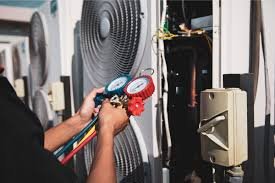
A recovery test is not just about watching the thermostat. Contractors often measure supply and return temperatures, monitor airflow indicators, and track changes in indoor temperature across multiple rooms. They may compare the thermostat location to the occupied zone because thermostats can be influenced by drafts, sunlight, or return-air pathways that don’t represent comfort in living spaces. In cooling mode, they often check how humidity responds during recovery, because a system that cools quickly but leaves humidity high can feel uncomfortable even after the setpoint is reached. They also observe cycle length and staging behavior. Two-stage and variable-speed systems may recover differently from single-stage systems, and smart thermostats may intentionally limit ramp-up rates depending on settings. Contractors may also check static pressure because high static pressure can reduce airflow, slowing recovery and increasing strain. Return airflow pathways matter during recovery, too; if doors are closed and returns are inadequate, certain rooms can lag far behind the thermostat reading. By measuring multiple variables simultaneously, contractors can pinpoint whether slow recovery is due to capacity, distribution, controls, or the building envelope.
- The role of thermostat logic and smart features
Modern thermostats can significantly influence recovery time. Some smart thermostats use adaptive recovery, starting early so the home reaches the setpoint by a scheduled time. Others use energy-saving algorithms that prevent aggressive recovery to avoid peak demand. Contractors test recovery time to understand what the thermostat is actually commanding the system to do. If a homeowner reports that the system “won’t catch up,” the thermostat may be limiting staging or widening temperature thresholds. If the system recovers too aggressively, it can overshoot, short-cycle, or create humidity discomfort. Contractors review settings such as temperature swing, staging thresholds, fan behavior, and sensor priorities, especially in homes using remote room sensors. A sensor placed in a warmer room might force longer recovery runs than overcool other rooms, while a sensor in a cooler hallway might end recovery too early. Contractors also check whether the thermostat is wired and configured correctly for the equipment type, because incorrect staging signals can slow recovery and increase cycling. Recovery tests help them match thermostat strategy to the homeowner’s comfort expectations without forcing the system into inefficient behavior.
- Recovery time can reveal airflow and duct problems
Even when equipment capacity is adequate, airflow restrictions can dramatically slow recovery. Contractors often find that a system delivers strong cooling or heating at the unit, but the air isn’t reaching the rooms quickly enough due to duct issues. Long duct runs, crushed flex ducts, leaky connections, undersized returns, and restrictive filters can all reduce delivered airflow. During recovery, these problems become obvious because the system runs harder and longer, and weak rooms fall behind. Contractors may compare room temperatures during recovery to identify which areas lag consistently, which often points to duct balancing problems or missing return pathways. High static pressure readings during recovery can confirm that airflow is being choked. Contractors also consider register placement and mixing. In a home with poor airflow mixing, the thermostat may reach setpoint while certain spaces remain uncomfortable, giving the illusion of slow recovery. Testing recovery time helps contractors see the system’s distribution performance under real load rather than relying on a quick steady-state measurement that might hide these issues.
- Building load factors that dominate recovery
Sometimes recovery time is slow because the home itself is storing or gaining heat faster than the system can remove it. Contractors evaluate insulation levels, attic conditions, window solar gain, and air leakage because these factors determine how quickly temperature drifts during setback and how hard recovery must work. A leaky home can lose heat quickly overnight in winter, requiring long recovery periods in the morning. In summer, sun-exposed windows and hot attics can push indoor temperature up rapidly during a daytime setback, making late-afternoon recovery feel impossible. Contractors often link recovery testing to these load factors by comparing recovery performance across days or times and by checking whether certain rooms recover more slowly due to sun exposure or poor envelope sealing. They may recommend reducing setback depth if recovery becomes uncomfortable or counterproductive, especially in high-humidity areas where long setbacks can raise moisture levels. In some cases, the most effective way to improve recovery time is not mechanical; it is improving the building envelope so the indoor environment doesn’t drift as far during setback.
HVAC contractors test system recovery time after setback periods because recovery exposes how the system performs under real-world stress, not just under steady conditions. Setbacks create peak loads that include temperature changes and, often, humidity changes, and recovery testing reveals whether the system has sufficient capacity, proper airflow, and effective control logic to handle that demand. By monitoring temperature behavior across rooms, cycle patterns, humidity response, static pressure, and thermostat settings, contractors can identify whether slow recovery is driven by airflow restrictions, duct and return limitations, thermostat configuration, or building envelope factors like insulation, air leakage, and solar gain. Recovery time is also a practical comfort metric: homeowners care about how a home feels in the morning or after returning from work, not only whether the system can hold temperature once stable. When contractors use recovery testing, they can recommend targeted adjustments that improve comfort and reduce strain without guessing or relying on unnecessary upgrades.