

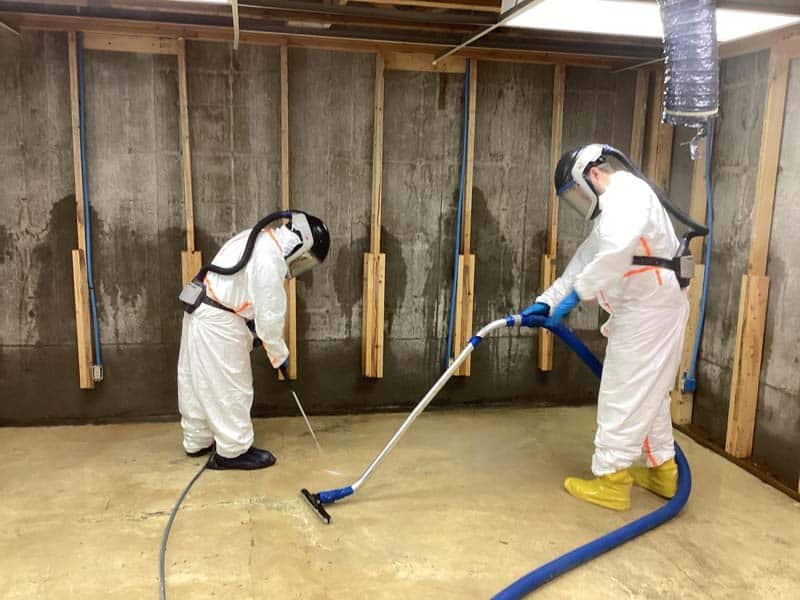
After a leak or flood, many homeowners judge the situation by what they can see: a stain on the ceiling, a warped plank, or a damp patch of carpet. Visible damage is important, but drying time often determines the true outcome. Water can soak into subfloors, insulation, and wall cavities while the surface looks nearly normal. If those hidden materials stay wet for too long, they can weaken, develop an odor, and cause recurring problems that appear weeks later. Drying is not just about making a room feel less damp. It is about removing moisture from the materials that hold it, before long exposure causes deeper deterioration. Understanding why drying time matters helps you make faster decisions, prevent hidden spread, and avoid repairs that fail because the structure underneath was never truly dry.
What drying time really controls
- Hidden moisture continues to work even after the surface looks fine.
Water moves and changes shape, which is why drying time matters more than a quick visual check. After water exposure, moisture can wick upward through drywall, sit under vinyl or laminate, and pool in low spots inside wall cavities. Even when a floor feels dry, the subfloor beneath may still be saturated, releasing moisture back into the air and nearby materials. Drywall can look flat but remain damp inside, especially near baseboards where water collects. Insulation can hold water and slow drying, creating a hidden wet zone that keeps studs damp. That prolonged dampness matters because it changes how materials behave. Wood can swell and then shrink as it dries, causing gaps, squeaks, and warped sections that appear later. Adhesives under flooring can soften and fail after days of moisture, even if the top surface looks acceptable on day one. When drying is rushed, repairs such as repainting or reinstalling trim may trap moisture behind new finishes, allowing the problem to persist quietly. Time is also a factor in how far moisture travels. The longer water remains, the farther it can migrate through seams and framing, turning a small wet area into a wider repair zone.
- The microbial clock starts early.
Drying time matters because microbial growth can begin before you see obvious mold. Damp materials create conditions that allow odors and surface growth to develop, especially in porous materials like drywall, paper, carpet padding, and wood. The risk rises when humidity stays high, and airflow is limited, such as behind cabinets, under stairs, or inside closed wall cavities. The timeline varies by situation, but the principle is consistent: the longer materials remain wet, the more likely microbial activity becomes. That activity can lead to persistent musty smells that do not disappear with surface cleaning because the source is inside the materials. It can also create staining and discoloration that returns even after repainting. This is why professionals use moisture meters and drying logs rather than relying on appearance. Water Damage Restoration Services in Portland, OR often emphasize moisture mapping because a surface that looks dry can still be wet at depth. That hidden wetness keeps the microbial clock running. Drying time is also tied to temperature. Cooler conditions slow evaporation, and enclosed spaces can stay damp far longer than expected if air is not moving through them.
- Structural stability depends on full drying, not fast cosmetics.
Visible damage is often cosmetic, but drying time affects structural reliability. Wood framing that stays wet can lose strength over time, and repeated wet-dry cycles can loosen fasteners and cause joint movement. Subfloors can delaminate when moisture stays trapped between layers. In bathrooms and kitchens, moisture can travel around penetrations, weakening the area near plumbing and appliances. Concrete slabs can also hold moisture and release it slowly, which can affect flooring adhesives and create ongoing humidity in a room even after extraction. Drying time is also tied to corrosion. Metal brackets, nails, and screws can begin to rust in damp conditions, leading to staining and reduced holding power. Electrical components do not like moisture either. Even if water never comes into contact with an outlet, high humidity inside a wall cavity can affect wiring and metal boxes over time. These issues often show up later, which is why homeowners are surprised when a room that looked fine after a week develops odors, soft spots, or peeling paint a month later. The drying process is what prevents that delayed damage.
Why Patience Prevents Rework
Drying time matters more than visible damage because hidden moisture continues to spread, weaken materials, and support odors even when surfaces look normal. The longer structures stay damp, the higher the risk of microbial growth, adhesive failure, warping, and delayed deterioration. Fast cosmetic fixes can trap moisture and create problems that return later, often in larger and more expensive ways. A successful recovery focuses on extraction, controlled drying, and moisture verification rather than appearance alone. When drying is prioritized, repairs last longer, indoor air feels cleaner, and the risk of re-damage drops significantly.