

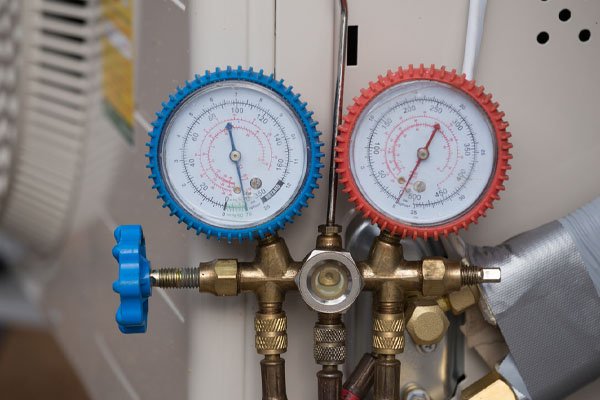
Maintaining an air conditioning system involves more than just keeping it clean or ensuring that its electrical components are working properly. One of the most crucial yet often overlooked factors is the refrigerant level in the system. Refrigerants absorb heat from indoor air and transfer it outside, enabling cooling. When refrigerant levels are too low or too high, the system cannot operate efficiently, which directly impacts energy consumption, performance, and overall lifespan. We will explore why keeping refrigerant at the correct level is essential, and how it affects the comfort, cost, and durability of an air conditioning system. Understanding this relationship can help homeowners and businesses prevent common HVAC problems and reduce unnecessary expenses.
The Impact of Proper Refrigerant Levels on Efficiency
- Energy Consumption and Operating Costs
An air conditioning system within an HVAC setup relies on a precise balance of refrigerant to function efficiently. When refrigerant levels are low, the system must work harder to maintain the desired indoor temperature. This overexertion forces the compressor and fan motors to run longer and more frequently, leading to higher energy usage. Increased energy consumption leads to higher utility bills, often without noticeable improvements in cooling performance. Conversely, overcharging a system with refrigerant can create excessive pressure in the lines, causing the compressor to strain to circulate the refrigerant properly. Both undercharged and overcharged systems result in unnecessary energy expenditure. Maintaining proper refrigerant levels ensures the HVAC system operates within designed parameters, keeping energy costs predictable while minimizing wear on mechanical components.
- System Longevity and Reduced Wear
A well-balanced refrigerant charge is critical to preserving the mechanical integrity of an air conditioner. When the refrigerant level is too low, components such as the compressor experience increased stress from higher operating temperatures and repeated cycling. This stress accelerates wear and can lead to premature failure of expensive parts. Excess refrigerant, on the other hand, can cause liquid refrigerant to enter the compressor, a situation known as liquid slugging, which can damage internal parts and lead to leaks. By maintaining correct refrigerant levels, the system avoids unnecessary strain, reducing the likelihood of costly breakdowns. Over time, proper refrigerant management helps extend the HVAC system’s lifespan, protecting the homeowner’s investment.
- Cooling Performance and Indoor Comfort
The effectiveness of an air conditioner in keeping indoor spaces comfortable is directly linked to refrigerant levels. When levels drop too low, the system may fail to remove heat efficiently, resulting in uneven cooling or warmer indoor temperatures. Rooms may feel stuffy, and some areas might never reach the desired temperature. Overcharging the system can also compromise cooling performance, as excessive pressure can hinder the refrigerant’s ability to efficiently absorb and release heat. Proper refrigerant levels ensure that the system delivers consistent, reliable cooling, maintaining comfort for occupants even during the hottest days. This balance is essential not only for comfort but also for maintaining a healthy indoor environment.
- Environmental Impact
Refrigerants are chemicals that can contribute to environmental issues if released improperly. Low refrigerant levels often indicate leaks, which not only reduce system efficiency but also allow chemicals to escape into the atmosphere. Many refrigerants contribute to ozone depletion or greenhouse gas emissions, meaning a poorly maintained system can have an environmental impact far beyond energy waste. Ensuring correct refrigerant levels helps prevent leaks, protects the environment, and improves system efficiency. By monitoring and maintaining refrigerant levels, homeowners help reduce both energy consumption and environmental harm, making air conditioning maintenance an eco-conscious responsibility.
- Detection and Prevention of System Issues
Monitoring refrigerant levels also provides an early warning for other HVAC problems. Low refrigerant can indicate leaks in coils or connections, while overcharging may signal recent improper servicing or attempts to bypass system issues. Addressing these problems early prevents minor issues from escalating into major repairs. Regular checks of refrigerant levels allow technicians to fine-tune the system, verify proper pressures, and ensure the cooling cycle operates as intended. Proactive maintenance not only sustains efficiency but also reduces unexpected downtime and repair costs, keeping both residential and commercial spaces comfortable throughout the year.
- Maintaining Manufacturer Warranty Compliance
Many HVAC manufacturers require proper refrigerant levels as a condition of their warranties. Systems that operate with incorrect charges may void warranties, leaving homeowners responsible for repair or replacement costs. Regular monitoring and adjustment of refrigerant levels help ensure compliance with manufacturer guidelines and protect financial investments in the system. This aspect underscores the importance of professional maintenance visits that include refrigerant checks, as they safeguard the system’s performance and warranty benefits over time.
- Optimizing System Controls and Safety Features
Modern air conditioning units include sensors and control mechanisms that respond to pressures and temperatures associated with proper refrigerant levels. If the refrigerant is too low, safety switches may shut down the system to prevent damage, leading to loss of cooling when it is most needed. Excessive refrigerant can also cause pressure-related issues that trigger protective cutoffs. Maintaining proper refrigerant levels ensures that these safety features function as intended, preventing damage and providing peace of mind for occupants. This optimization also improves the system’s overall efficiency by allowing it to operate within safe limits without interruption.
Proper refrigerant levels are vital for the efficiency, longevity, and performance of air conditioning systems. Low or excessive refrigerant can lead to increased energy consumption, mechanical strain, poor cooling performance, environmental impact, and higher maintenance costs. Regular monitoring and maintenance of refrigerant not only enhance comfort and operational reliability but also prevent unexpected failures and safeguard warranties. Maintaining the correct refrigerant charge is a practical step toward energy savings, sustainable operation, and consistent indoor comfort, benefiting both homeowners and the environment.