

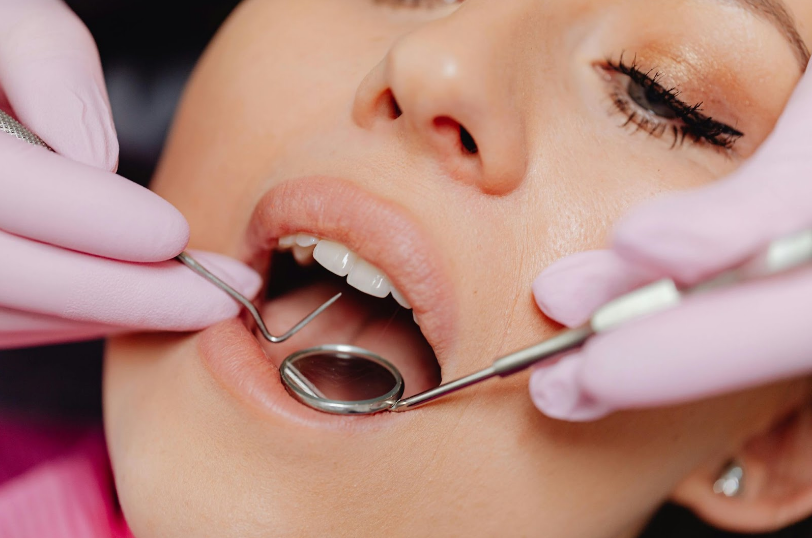
Your mouth affects your whole body. When you ignore your teeth and gums, you do not just risk a cavity. You raise your risk for heart disease, diabetes problems, breathing issues, and pregnancy problems. Bacteria in your mouth can travel through your blood. Inflammation in your gums can strain your immune system. Small problems in your mouth often warn of bigger health problems.
So preventive dentistry is not only about clean teeth. It is about lowering silent threats to your long term health. Regular cleanings, home care, and early treatment help your body fight infection. They protect your heart, blood sugar, and lungs. They also support sleep, focus, and mood.
A North Scottsdale dentist who uses preventive care can help you catch trouble early, protect your health, and feel more in control. You deserve a plan that guards your whole body, starting with your mouth.
Table of Contents
How your mouth and body connect
Your gums are thin. They sit close to your blood supply. When you have bleeding gums or deep pockets, germs can slip into your blood. Your body reacts with swelling. That swelling does not stay in your mouth. It can spread through your whole system.
Research from the Centers for Disease Control and Prevention links gum disease with heart disease, stroke, and trouble with blood sugar control. Your mouth works like a warning light. When you see bleeding, bad breath, or loose teeth, your body may already carry a heavy load.
You can protect yourself when you treat your mouth as part of your body, not as a separate part.
What counts as preventive dentistry
Preventive dentistry is simple. It is the routine care you use to stop problems before they grow.
Key pieces include:
- Regular dental exams and cleanings
- Daily brushing with fluoride toothpaste
- Daily flossing or use of interdental brushes
- Fluoride treatments when needed
- Dental sealants for kids and some adults
- Mouthguards for sports and night grinding
- Nutrition choices that limit sugar and acid
Each step seems small. Together, they cut your risk for pain, infection, and tooth loss. They also lower hidden pressure on your heart, lungs, and immune system.
How oral health links to common health problems
Gum disease and tooth decay do not stay local. They spread stress through your body.
| Oral problem | Possible body effect | How prevention helps |
|---|---|---|
| Gum disease | Higher risk of heart disease and stroke | Cleanings and home care lower mouth germs |
| Untreated tooth decay | Spreading infection and strong pain | Early fillings stop deeper spread |
| Severe gum infection | Harder blood sugar control in diabetes | Gum treatment can improve glucose control |
| Chronic mouth infection | Higher risk of lung infections | Clean mouth lowers germ load |
| Tooth loss | Chewing trouble and poor nutrition | Prevention keeps teeth strong |
Studies shared by the National Institute of Dental and Craniofacial Research support these links. When you cut mouth germs and swelling, you help your blood vessels and organs work with less strain.
Benefits you can feel every day
Preventive care does more than lower medical risk. It also changes how you feel day to day.
You may notice:
- Less mouth pain and tooth sensitivity
- Easier chewing and food enjoyment
- Fewer headaches from clenching or grinding
- Better sleep when mouth pain and jaw tension ease
- More comfort speaking and smiling
When your mouth is calm, you rest better. You eat a wider mix of foods. You feel less drained. That helps your body heal and fight infection.
What preventive visits look like
You may feel nervous about dental visits. Clear steps can help you feel ready.
Most preventive visits include three parts.
- Check. Your dentist reviews your history, checks your teeth and gums, and may use X-rays. You talk about pain, dry mouth, sleep, and any changes in your health.
- Clean. A hygienist removes plaque and tartar, checks your gums, and may apply fluoride. You learn where brushing or flossing misses spots.
- Plan. You and your dentist set a simple plan. You may adjust home care, plan small repairs, or schedule a follow-up.
Each visit builds on the last one. Problems stay small. Treatment stays simple.
Protecting children and older adults
Some groups feel the impact of oral health more strongly. Children and older adults need special focus.
For children:
- Baby teeth hold space for adult teeth
- Untreated decay can cause school absences
- Fear of pain can shape eating habits for years
Fluoride, sealants, and kind visits set children up for steady health.
For older adults:
- Dry mouth from medicine raises decay risk
- Gum disease can move fast when health is fragile
- Missing teeth can lead to weight loss and weak muscles
Regular checks and cleanings help protect swallowing, speech, and comfort.
Three daily habits that protect your whole body
You can support your body with three steady habits.
- Brush two times each day. Use a soft brush and fluoride toothpaste. Brush for two minutes. Reach the gumline and tongue.
- Clean between teeth once each day. Use floss or small brushes. Slide gently between teeth. Curve around each tooth.
- Limit sweet drinks and snacks. Save sweets for mealtimes. Drink water between meals. Chew sugar-free gum if your mouth feels dry.
These steps cost little. Yet they change your risk for disease in a strong way.
When to seek care right away
Do not wait if you notice warning signs.
- Bleeding when you brush or floss
- Red, swollen, or tender gums
- Loose teeth or changes in your bite
- Persistent bad breath
- Tooth pain that lasts more than a day
- Sores in your mouth that do not heal within two weeks
Quick care often means simpler treatment. It also lowers the chance that oral germs spread and strain your heart or immune system.
Take the next small step
You do not need a perfect routine. You only need the next clear step. Schedule a preventive visit. Ask direct questions. Share your health history. Then choose one home habit to improve this week. Your mouth will heal. Your body will carry less stress. Your future self will feel the difference.