

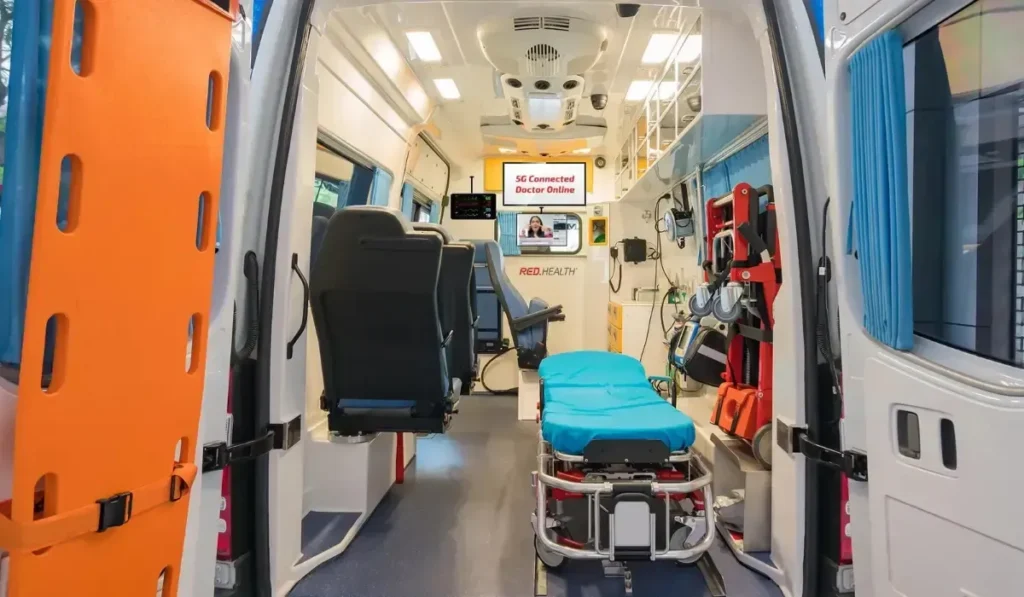
When most people think about emergency preparedness, they think about training. CPR certifications, first aid courses, and workplace safety drills all come to mind. These are genuinely valuable investments, and they save lives. But there is a second layer of preparedness that rarely gets the same attention: the physical equipment emergency responders rely on once training kicks in.
Ambulance stretchers and patient transport equipment sit at the center of almost every emergency medical response. Without functional, well-maintained transport gear, even the most highly trained EMS team faces real limitations in the field.
Table of Contents
The Role of Stretchers in Emergency Medical Response
When an emergency call comes in, every second matters. Paramedics and EMTs arriving on scene need equipment they can trust immediately, not equipment that sticks, fails to extend, or lacks the weight tolerance for the patient at hand. Stretchers are used in virtually every ambulance transport, making them one of the most frequently used pieces of equipment in the entire EMS inventory.
Modern ambulance cots like the Stryker Power-PRO XT and Ferno MX-PRO are engineered with motorized hydraulics, one-touch load assists, and adjustable height profiles. These features protect both the patient and the crew from injury during lifts, loads, and transport. When a stretcher is functioning as designed, transfer times improve and the risk of secondary injury drops.
Beyond the standard transport cot, emergency situations often demand specialized equipment. Bariatric stretchers are built to handle higher weight capacities safely. Stair chairs allow responders to navigate tight stairwells in multi-level buildings. Scoop stretchers and spine boards are used when spinal injury is a concern and the patient cannot be moved in the standard position. Each piece serves a specific clinical purpose, and having the right tool available makes a measurable difference in outcomes.
Refurbished Equipment as a Cost-Effective Solution
EMS departments, hospitals, and medical transport services operate under tight budgets. New ambulance cots from top manufacturers can run into the tens of thousands per unit. For smaller services or newly establishing operations, that cost is often prohibitive. Certified refurbished equipment provides a practical path forward.
Stretchers R Us specialize in refurbished ambulance cots, stair chairs, power stretchers, and related EMS transport equipment from leading manufacturers including Stryker and Ferno. Their inventory includes models like the Stryker Power-PRO XT, Performance-PRO, MX-PRO, and bariatric-rated cots built to handle demanding transport conditions.
Refurbished in this context does not mean outdated or unreliable. It means professionally inspected, serviced, and tested equipment that meets safety standards at a fraction of the cost of new stock. For smaller EMS agencies, fire departments, or transport companies looking to expand their fleets without exhausting their capital budgets, certified refurbished stretchers are a viable and widely accepted solution.
Maintenance and Equipment Life
Even well-manufactured stretchers require ongoing maintenance. High-use hospital and ambulance environments place significant mechanical strain on transport equipment over time. Hydraulic mechanisms, locking wheels, mattress platforms, and load systems all need periodic inspection and replacement.
Understanding when to service, repair, or replace stretcher components is part of running a responsible EMS operation. Organizations that stay proactive about equipment maintenance avoid mid-shift failures and the liability that comes with them. Working with suppliers that also carry replacement parts and accessories makes the logistics of long-term fleet management much simpler.
Frequently Asked Questions
What types of stretchers are used in ambulances? The most common types include power cots with motorized height adjustment (such as the Stryker Power-PRO XT), manual hydraulic cots, bariatric cots for higher weight capacities, and specialty boards like scoop stretchers and spine boards used for spinal precautions.
Is refurbished EMS equipment safe to use? Yes, when properly inspected and serviced by qualified technicians. Certified refurbished equipment from reputable suppliers is tested to manufacturer standards and is widely used by EMS departments, hospitals, and transport agencies looking to manage fleet costs.
How often should ambulance stretchers be serviced? Manufacturers typically recommend inspection at set intervals based on usage hours or annually, whichever comes first. High-volume services may need more frequent checks on hydraulic systems, wheels, and locking mechanisms.
What is a bariatric stretcher? A bariatric stretcher is designed to safely transport patients with higher body weights. They have reinforced frames, wider platforms, and higher load ratings compared to standard ambulance cots.
Where can EMS services source refurbished stretchers? Specialist suppliers such as Stretchers R Us carry certified refurbished stretchers and EMS transport equipment from Stryker, Ferno, and other major manufacturers, often at significantly lower cost than buying new.