

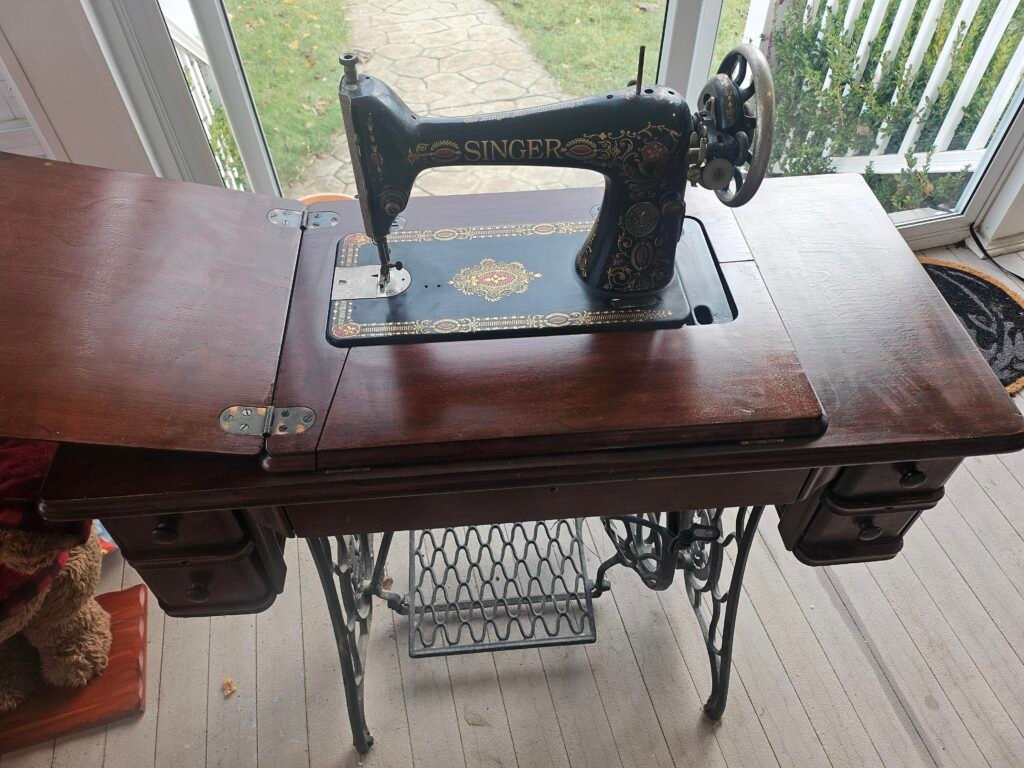
Few household objects have had a longer run than the Singer sewing machine. Since Isaac Merritt Singer patented his design in 1851, the brand has produced hundreds of models across more than 170 years of manufacturing. Many of those machines are still in active use today, and the community of collectors, sewists, and restorers who seek them out is growing.
The appeal is not hard to understand. Vintage Singer machines were built to last. Their cast-iron bodies, precision threading mechanisms, and all-metal gearing were engineered with a durability that most modern machines simply do not replicate. For textile artists, fashion students, and hobbyists who sew regularly, a well-maintained vintage Singer can outperform many machines produced decades later.
Table of Contents
The Most Sought-After Vintage Singer Models
Not all vintage Singers are equal in collector value or practical utility. A few models stand out as consistently popular among restorers.
The Singer 66, produced from around 1900 through the 1950s, is one of the most iconic machines the company ever made. Known for its “Red Eye” and “Lotus” decal variations, the 66 is prized for its smooth stitch and straightforward mechanics. The Singer 201, often referred to as the best sewing machine Singer ever built, features a gear-driven rotary hook mechanism that produces exceptionally even stitches. The 15-91 is another fan favorite, a gear-driven machine introduced in the 1930s that remains popular among home sewers for its reliability and quiet operation.
Treadle machines, pedal-powered Singers mounted in wooden cabinets, also attract significant collector interest. These machines require no electricity and represent an era when home sewing was a central domestic skill rather than a hobby.
Why Parts Availability Matters
Owning a vintage machine is rewarding, but restoration requires access to the right components. Bobbin cases, presser feet, timing belts, needle plates, light assemblies, and specialized screws all vary by model and era. Finding the correct part for a 1947 Singer 201 is a very different task than sourcing parts for a 1965 Singer 185.
This is where specialized retailers make a real difference. Vintage Singer Parts focuses specifically on parts and accessories for vintage Singer machines, providing sewists and collectors with a reliable source for components that generic sewing supply shops simply do not carry. Having access to model-specific parts removes one of the biggest barriers in the restoration process.
Getting Started with a Restoration
If you have acquired a vintage Singer and want to bring it back to working condition, the process is more accessible than it might seem. Start by cleaning the machine thoroughly, removing built-up lint and old oil from the bobbin area, tension discs, and presser bar. Use a quality sewing machine oil to re-lubricate all moving parts. Check the timing and bobbin tension before threading and running test stitches on scrap fabric.
Many restorers find that machines that appear broken only need cleaning and relubrication. More serious issues, like a bent needle bar or a stripped tension spring, call for specific replacement parts and some patience. Online communities and model-specific manuals are valuable resources throughout the process.
Frequently Asked Questions
How do I know which model of Singer I have? Singer machines have a serial number stamped on a small plate, usually on the front of the machine near the base. You can cross-reference this number against Singer’s published serial number records to identify the model year and factory of manufacture.
Are vintage Singer parts still available? Yes. Specialty suppliers stock original and reproduction parts for many vintage Singer models, including bobbins, presser feet, needle plates, belts, and more. A dedicated retailer that focuses on vintage Singer machines will carry far more model-specific inventory than a general sewing supply store.
What oil should I use on a vintage Singer? Only use clear, lightweight sewing machine oil. Never substitute with WD-40 or general household oil, as these can damage internal components and leave residue that gums up the mechanism over time.
Are vintage Singers good for modern sewing projects? Absolutely. Many sewists prefer vintage all-metal machines for their durability and stitch quality. They handle heavy fabrics like denim and canvas particularly well. With the right needle and thread combination, a restored vintage Singer can handle most home sewing tasks with excellent results.
How much does it cost to restore a vintage Singer? It depends on the condition of the machine and which parts are needed. Basic cleaning and oiling costs very little. Replacing specific mechanical components may add to the cost, but even a full restoration is typically far less expensive than buying a comparable new machine.