

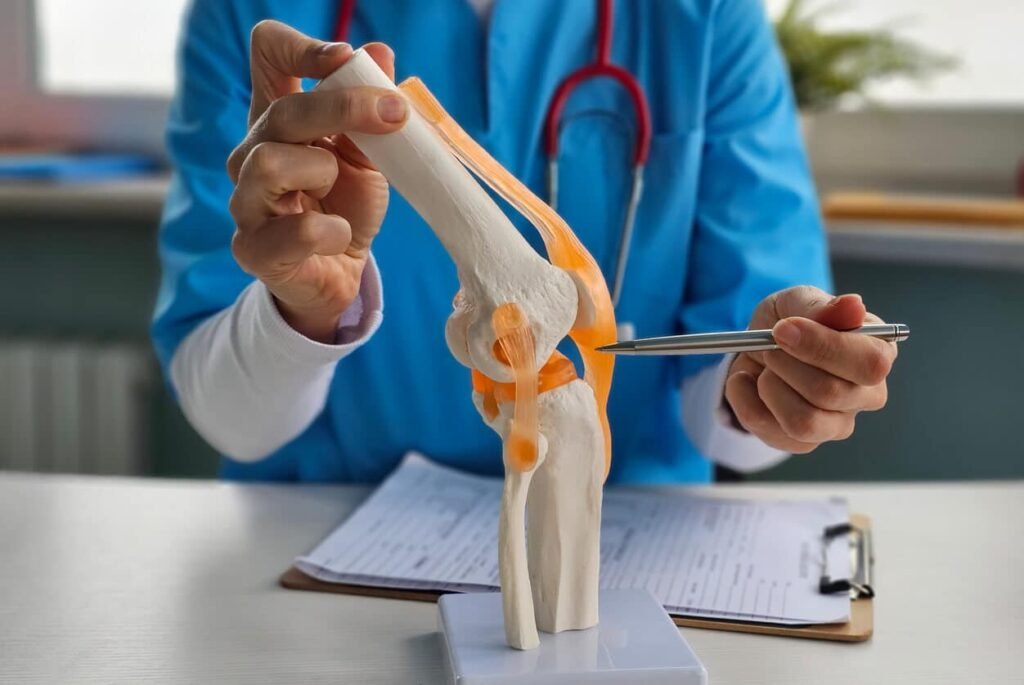
Knee injuries are among the most common musculoskeletal problems affecting people of all ages. From athletes and active adults to older individuals dealing with joint wear and tear, knee pain can arise from many different causes. Interestingly, not every knee injury leads to surgery. Some heal with rest and therapy, while others progress to the point where surgical solutions, including partial knee replacement, become necessary. Understanding why this difference exists helps patients make informed decisions about their care.
The Knee’s Natural Ability to Heal
The knee is a complex joint made up of bones, cartilage, ligaments, tendons, and muscles. Certain structures in the knee have a good blood supply, which supports healing. For example, mild sprains of ligaments or small muscle and tendon strains often recover well with conservative care. Rest, ice, compression, elevation, and guided physical therapy can allow these tissues to repair themselves over time.
Younger patients and those with strong overall health often experience faster healing. When the injury does not significantly disrupt joint stability or alignment, the body can restore function without surgical intervention. Minor meniscus tears located in areas with better blood flow may also heal or become symptom-free through strengthening exercises and activity modification.
Injuries That Struggle to Heal
Not all knee structures are equally capable of self-repair. Cartilage, for instance, has a very limited blood supply. When articular cartilage covering the ends of bones is damaged, the body struggles to regenerate it effectively. This can lead to ongoing pain, stiffness, and swelling.
Large ligament tears, such as a complete anterior cruciate ligament rupture, often do not heal on their own in a way that restores full stability. Similarly, complex meniscus tears in poorly vascularized areas may continue to cause locking, catching, or persistent discomfort. When the joint becomes unstable or mechanical symptoms interfere with daily life, non-surgical approaches may fall short.
The Role of Injury Severity
Severity is a key factor. A mild strain or small tear is very different from a major structural disruption. When bones shift out of proper alignment or when multiple tissues are damaged at once, the knee’s biomechanics change. Abnormal movement patterns can accelerate wear, leading to chronic inflammation and joint degeneration.
Over time, untreated severe injuries may contribute to osteoarthritis. As cartilage continues to wear away, pain becomes more constant, and mobility declines. At this stage, conservative treatments may only provide temporary relief.
Patient Factors That Influence Healing
Age, weight, activity level, and overall health also play major roles. Younger individuals typically have better tissue healing capacity. Excess body weight, on the other hand, increases stress on the knee joint, which can slow recovery and worsen damage.
People with strong surrounding muscles and good flexibility often stabilize the joint better, allowing some injuries to improve without surgery. In contrast, poor muscle support or repeated high-impact activities can prevent proper healing and lead to worsening symptoms.
When Surgery Becomes Necessary
Surgery is usually considered when pain persists despite months of conservative care, when the knee repeatedly gives way, or when imaging shows advanced structural damage. In cases where arthritis affects only one part of the knee, partial knee replacement may be recommended. This procedure addresses the damaged compartment while preserving healthy bone and tissue, offering pain relief and improved function.
Other surgical options may involve ligament reconstruction, meniscus repair, or removal of loose fragments. The goal is to restore stability, reduce pain, and prevent further joint deterioration.
Finding the Right Path Forward
Every knee injury is unique. Some respond well to non-surgical treatments, while others require operative solutions to restore quality of life. Early evaluation, accurate diagnosis, and a personalized treatment plan are essential. By understanding the nature of the injury and individual health factors, patients and healthcare providers can choose the approach that offers the best long-term outcome.