

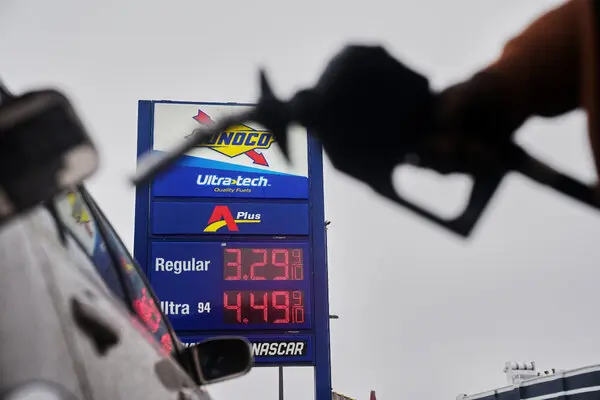
Energy costs represent one of the most significant and least controllable line items for UK businesses. Unlike staffing or marketing budgets, gas and electricity expenses are tied to wholesale market prices that shift constantly, are influenced by geopolitical events, infrastructure factors, and seasonal demand, and vary considerably between suppliers even for identical usage profiles. For small and medium-sized businesses in particular, navigating this market without specialist knowledge can result in paying far more than necessary.
The response from many business owners has been to work with independent energy brokers, specialists who compare rates across multiple suppliers and secure contracts on behalf of clients. The market for this kind of service has grown substantially in the UK as businesses have faced energy volatility and recognized that unmanaged procurement carries real financial risk.
Table of Contents
How Business Gas Pricing Works
Unlike residential energy, business gas contracts are not typically governed by the same default tariff protections available to domestic consumers. When a commercial contract expires and is not actively renewed, businesses often roll onto out-of-contract rates, which are almost always significantly higher than contracted prices. Many businesses stay on these rates for months or years without realizing it simply because the renewal process was not actively managed.
Business gas pricing is also volume-sensitive and sector-dependent. A restaurant, a manufacturing facility, and a small office will all have different consumption profiles, and the contracts that suit each of them differ. Rates are quoted based on annual consumption, contract length, meter type, credit history, and the specific supplier’s commercial position at any given time.
The Role of an Independent Energy Broker
An independent energy broker works on behalf of the business rather than on behalf of any single supplier. By accessing quotes from multiple providers, they can present options across the market and identify the contract that best matches the client’s consumption profile and risk tolerance.
Business Gas Prices comparisons through an independent broker like Green Light Consultancy Group give UK businesses access to quotes from major suppliers including British Gas, E.ON, EDF Energy, Scottish Power, SSE, and TotalEnergies, among others. GLCG is based in Bedford and holds a 5-star Google rating, working with businesses across sectors to manage gas, electricity, and water contracts in a single managed procurement process.
The value of this service is not limited to simply finding the lowest unit rate. A good broker will also review contract end dates, assess the risks of fixed versus variable pricing given current market conditions, and advise on whether a shorter or longer contract term better protects against future price movements.
What to Look for When Comparing Business Gas Contracts
When comparing business gas options, several factors matter beyond the headline unit rate. The standing charge, which is the daily fixed fee applied regardless of consumption, adds up significantly over a full contract term and should be compared alongside unit costs. Contract length is equally important: shorter contracts offer flexibility, while longer ones can lock in favorable rates when the market is high but leave businesses exposed if prices fall.
Termination clauses, automatic renewal terms, and notice period requirements are all details that trip up businesses when switching suppliers. An experienced broker will flag these before contracts are signed.
Frequently Asked Questions
What is a business gas broker? A business gas broker is an independent intermediary who compares gas contract prices across multiple suppliers on behalf of a business and helps secure the most suitable deal based on the business’s usage profile, location, and contract preferences.
Is it worth using a broker instead of going directly to a gas supplier? For most businesses, yes. Brokers have access to a wider range of rates and contract options than a single supplier can offer, and they handle the comparison and negotiation process on your behalf. Many broker services come at no direct cost to the business, as brokers are typically paid a commission by the supplier.
How often should a business review its gas contract? At minimum, a business should review its gas contract before the current term expires to avoid rolling onto out-of-contract rates. Many energy consultants recommend beginning the review process at least three months before expiry.
Can a UK business switch gas suppliers mid-contract? Generally, switching before the contract end date will incur exit fees. The exception is when a supplier has failed to meet contractual obligations or when there is a legitimate dispute. Always review the contract terms before attempting an early exit.
What documents are needed to get a business gas quote? Typically, you will need a recent gas bill showing your current contract details, meter reference number (MPRN), and annual consumption. An energy broker can often retrieve some of this information directly, making the process simpler for the business.


