

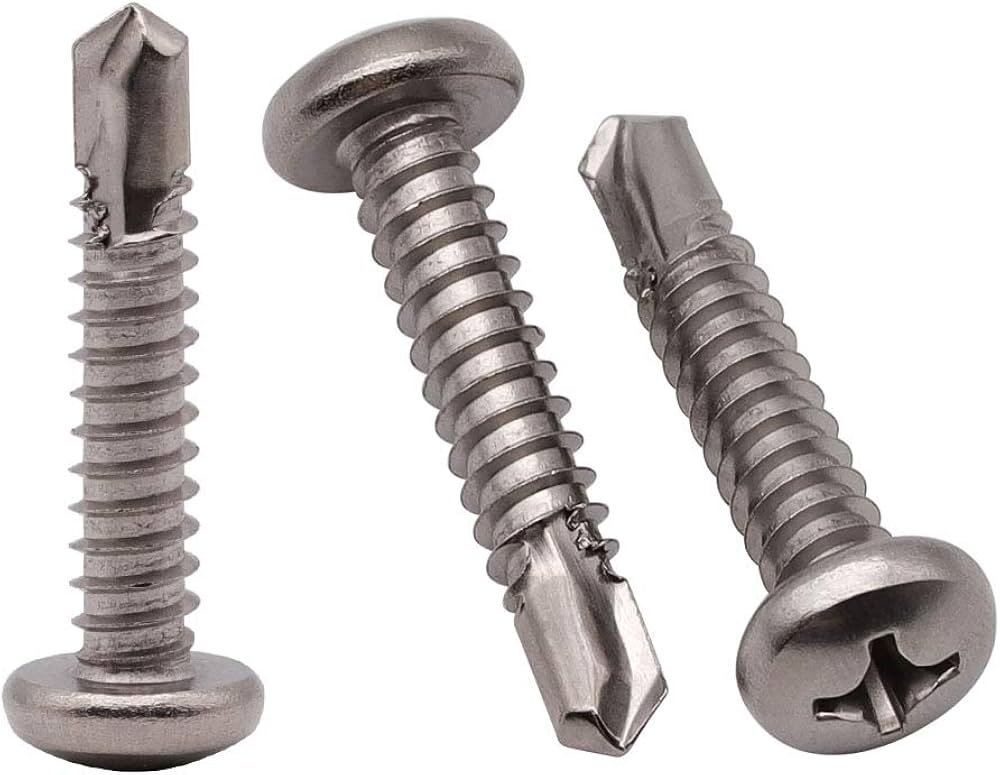
There’s a moment on site that doesn’t look like much. Someone grabs a screw from the box. Fits it into the drill. Drives it in. Done in seconds. No one pauses. No one double-checks. Because it’s just a screw, right?
But if it’s the wrong one, that small decision sits there quietly. Not failing immediately. Not obvious. Just… waiting.
That’s the thing with self-tapping, self-drilling screws. When they’re right, you don’t notice them. When they’re wrong, you usually notice too late.
Table of Contents
It Always Starts With “This Should Work”
Most mistakes don’t come from carelessness. They come from assumptions. “This looks similar.” “Same size, more or less.” “Should be fine for this material.” And to be fair, sometimes it is fine. For a while.
But self-tapping, self-drilling screws aren’t as interchangeable as they seem. The drill point, the thread design, and even the coating – all of it is doing a specific job.
So when the wrong type gets used, things don’t fail immediately. They just… don’t perform properly.
The First Sign Is Usually Subtle
You won’t see a panel fall off. What you’ll notice is smaller. A screw that doesn’t sit flush. One that spins slightly before tightening. A fixing that feels less secure than the others. It’s easy to ignore. Because everything is still “holding”.
But with self-tapping, self-drilling screws, that initial fit tells you a lot. If it doesn’t feel right going in, it’s probably not going to behave well long-term.
Different Materials, Different Behaviour
This is where things get a bit more specific. Steel. Aluminium. Timber. Composite panels. They all respond differently.
A screw that works perfectly in thin metal might struggle in thicker steel. One designed for soft material might strip when used on a harder surface. And yet, on busy sites, it’s tempting to use whatever’s available. That’s where issues begin.
Because self-tapping, self-drilling screws are designed with material compatibility in mind. Ignore that, and performance drops, sometimes slowly, sometimes unpredictably.
The Drill Point Matters More Than People Think
At a glance, most screws look similar. But the drill point? That’s doing a lot of work. Some are designed for thin materials. Others for thicker sections. The difference isn’t always obvious unless you’re looking closely. Use the wrong one, and you’ll notice it during installation. The screw struggles to penetrate. Takes longer. Generates heat.
Or worse, it goes in unevenly. And once that happens, the integrity of the fixing changes. That’s why choosing the right self-tapping, self-drilling screws isn’t just about size. It’s about how they interact with the material from the first second.
Over-Tightening Becomes A Habit
When a screw doesn’t seat properly, people compensate. They apply more pressure. More torque. Trying to force a better fit.
Sometimes it works. Sometimes it damages the material. Sometimes it slightly strips the screw head. Either way, it’s not ideal.
With properly selected self-tapping, self-drilling screws, you don’t need to force anything. They should go in cleanly, with consistent resistance. If you’re fighting the screw, something’s off.
Coating Gets Ignored. Until It Matters
This one doesn’t show up immediately. Coatings on Self-Tapping Self-drilling screws protect against corrosion. Moisture. Environmental exposure.
Use the wrong type, especially outdoors or in humid conditions, and you won’t see a problem right away. Months later, though… rust starts forming. Fixings weaken. Appearance changes. Maintenance becomes necessary. And by then, replacing screws isn’t as simple as it sounds.
A Small Story From A Site Visit
I remember walking past a partially finished structure once. Everything looked fine. Panels aligned, fixings in place. But a few screws stood out. Slightly raised. Not sitting evenly like the others. Nothing major. But it was noticeable if you paid attention.
Turns out, a batch of slightly different self-tapping, self-drilling Screws had been used midway through the installation. Same size. Different performance. The difference was subtle. But visible.
Consistency Is What People Underestimate
It’s not just about using the right screw once. It’s about using the same type consistently across the entire installation. Mixing different self-tapping, self-drilling screws, even if they seem similar, creates uneven performance.
Some fixings hold better than others. Some age differently. Some respond differently to stress. And over time, that inconsistency shows.
The “It’s Holding, So It’s Fine” Mindset
This is common. If the structure is still in place, people assume everything is okay. But with fasteners, problems don’t always show immediately. They develop. Gradually.
A slightly loose fixing today becomes a noticeable issue months later. Especially under movement, weather changes, or load variation.
That’s why self-tapping, self-drilling screws need to be right from the start. Not just “good enough”.
Removal Is Never As Easy As Installation
Fixing a mistake sounds simple. Just remove the screw and replace it, right? Not always. Once installed, especially incorrectly, screws can damage the material around them. Threads might not hold the same way if reinstalled.
So correcting issues with self-tapping, self-drilling screws often involves more than just swapping them out. It can mean adjusting panels. Reinforcing sections. Working around previous fixings. Which takes time.
When Professionals Slow Things Down
There’s a noticeable difference when experienced teams handle this. They pause before choosing screws. Double-check specifications. Match the screw to the material, not just the size. It might look slower. But it prevents problems later.
Because with self-tapping, self-drilling screws, a few seconds of checking can save hours of correction.
Not Everything Needs To Be Complicated
This isn’t about overthinking every detail. It’s about paying attention to the small things that actually matter. Correct type. Correct material compatibility. Consistent usage. That’s it. And yet, these basics are often where issues begin.
The Moment You Realise Something’s Off
Sometimes it’s during installation. Sometimes it’s later. A panel feels slightly loose. A fixing doesn’t sit right. A pattern looks uneven. You can’t always explain it immediately. But you feel it.
That’s usually when people trace things back and realise… the screws weren’t quite right. The self-tapping, self-drilling screws, small as they are, were doing more than expected.
Final Thought, A Bit Unfinished
If you’re working on a project, or even just observing one, and something feels slightly inconsistent… Not wrong. Just not quite right. Look closer. It might not be the big components.
It might be the small ones. The ones no one talks about much. The Self-Tapping Self-Drilling Screws from Concept Fasteners hold everything together. Quietly doing their job. Or… not doing it as well as they should.