

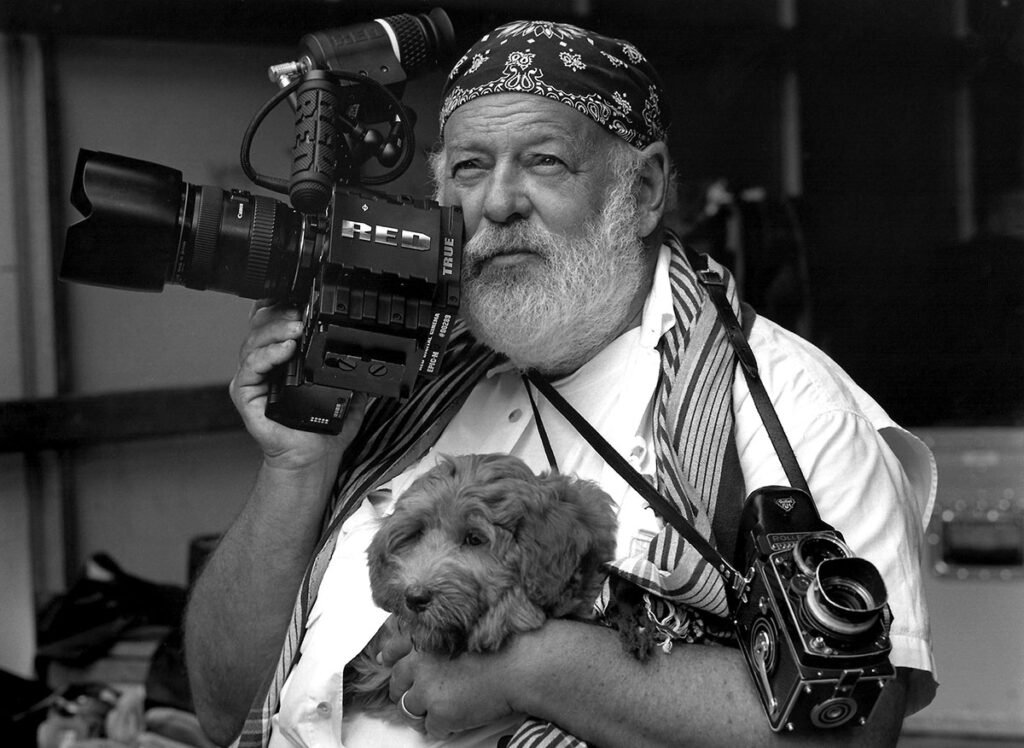
There’s no question that photography can capture and preserve memories in a way that other forms of art cannot. But for your photos to stand out, they need to pop—and not just in terms of color or contrast, but in terms of composition and subject matter as well.
Here are 13 ways to make your photos pop like Bruce Weber Photographer, one of the world’s most successful fashion photographers:
Table of Contents
1. Use a tripod
If you want to take sharp, well-exposed photos, you need to use a tripod. This will help prevent camera shake, which can blur your photos. A tripod will also allow you to take longer exposures, which is ideal for low-light situations or when you want to capture the motion of a subject.
2. Use a polarizing filter
A polarizing filter can help reduce glare and increase the contrast in your photos. It’s especially useful for outdoor shots, where the sun can cause objects to appear washed out.
3. Shoot in raw
Raw files contain all of the data captured by your camera’s sensor. This gives you more flexibility when it comes to editing, as you can make changes without affecting the quality of the image.
4. Use a fast shutter speed
A fast shutter speed will freeze any motion, which is ideal for action shots or photos of moving water. To achieve this, you’ll need to use a higher ISO setting.
5. Use a slow shutter speed
A slow shutter speed will blur any motion, creating an interesting effect. This is often used for light trails or to convey a sense of movement in a photo. To achieve this, you’ll need to use a lower ISO setting.
6. Turn off your flash
Flash can sometimes cause your photos to look artificial or flat. If possible, try to take advantage of natural lighting instead.
7. Underexpose your images
Overexposing your photos can cause them to look washed out. Instead, try underexposing them by one or two stops. This will help bring out the shadows and create a more dynamic image.
8. Use a reflector
A reflector can help bounce light back onto your subject, filling in any shadows. This is especially useful when you’re shooting outdoors.
9. Shoot in burst mode
Burst mode allows you to take multiple photos in quick succession. This is ideal for capturing fast-moving subjects, as it increases the chances of getting a sharp photo.
10. Take advantage of natural frames
Look for objects that can act as natural frames for your subject. This could be a doorway, a window, or even a tree branch.
11. Use leading lines
Leading lines are any kind of lines that lead the eye into the photo. This could be a road, a river, or a set of stairs. Using leading lines can help to create a sense of depth and make your photos more interesting.
12. Isolate your subject
By isolating your subject, you can help make it the focus of the photo. For example, you can use a wide aperture to blur the background or get close to your subject.
13. Get creative with angles
Don’t be afraid to experiment with different angles. For example, shooting from above or below can often give your photos a more dynamic look.