

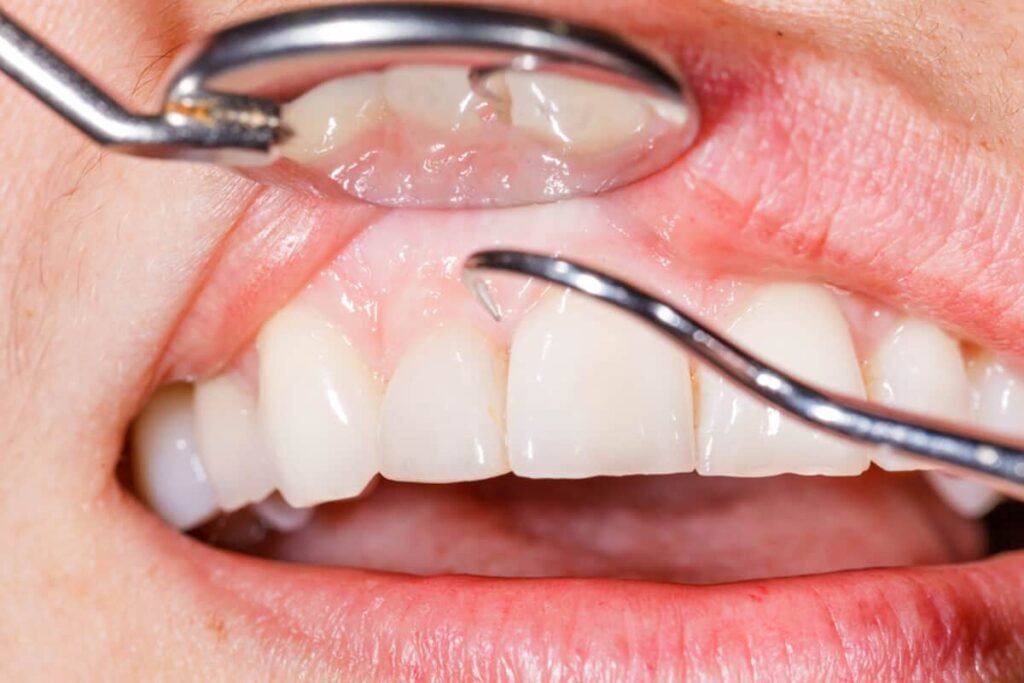
Healthy implants depend on healthy gums. You cannot separate the two. When gums break down, your implant risks go up. You face more pain, more cost, and more time in the chair. A Minneapolis periodontist focuses on the tissues that hold your teeth and implants in place. This care protects your investment and your comfort. This blog explains four common treatments in periodontics that support implant care. You learn how these treatments clean deep under the gums, rebuild lost bone, shape gum tissue, and control infection. You see when each treatment is used and what you can expect during recovery. You also learn how these steps reduce the chance of implant failure. With clear information, you can ask better questions, plan ahead, and feel more in control of your oral health.
Table of Contents
Why gum care matters for implants
Dental implants act like roots. They need firm bone and clean, tight gums. When plaque and bacteria collect around an implant, the tissue reacts. First, the gums swell. Then the bone that holds the implant can start to melt away. This loss is silent at first. By the time you feel movement or pain, damage is oftenseriousp.
You can lower that risk. Regular brushing, flossing, and cleanings help. Still, once the disease reaches a certain point, home care is not enough. Periodontic treatments step in at that point. They remove buildup that you cannot reach. They also rebuild support where it has been lost. These steps keep your implant steady and help you avoid more surgery.
1. Scaling and root planing
Scaling and root planing is a deep cleaning under the gums. It is often the first step when your gums bleed, or pockets form around teeth or implants.
During this treatment, the clinician:
- Uses small tools to remove plaque and tartar from tooth and implant surfaces
- Smooths the root or implant surface so bacteria have fewer rough spots to cling to
You may receive numbing for comfort. You usually return to normal routines the same day. Gums may feel sore for a short time. With clean surfaces, the tissue can tighten. Pocket depths often shrink. This makes daily brushing and flossing easier and more effective.
The National Institute of Dental and Craniofacial Research describes this deep cleaning as a standard first treatment for gum disease. The same approach supports implants by controlling early infection around them.
2. Periodontal maintenance visits
After deep cleaning or implant placement, you move into a maintenance phase. Periodontal maintenance visits are more focused than regular cleanings. They protect your past treatment and your implants.
At each visit, the team usually:
- Reviews your health history and any new medicines
- Checks your gums for bleeding, swelling, or recession
- Measures pocket depths around teeth and implants
- Removes plaque and tartar above and below the gumline
- Polishes tooth surfaces and reviews home care skills
The American Dental Association explains that people with gum disease often need cleanings more often than every six months. Implants with a past history of gum problems fall into this group. These visits catch early changes. They also give you a chance to adjust brushing tools, such as interdental brushes or water flossers, before trouble grows.
Typical visit schedule for implant care
| Stage | Usual visit frequency | Main goal |
|---|---|---|
| Before implant placement | Every 3 to 6 months | Control gum disease and clean mouth |
| First year after implant | Every 3 to 4 months | Watch healing and remove plaque |
| Stable long term with low risk | Every 4 to 6 months | Prevent new disease |
| History of gum disease or smoking | Every 3 months | Catch early bone or gum changes |
3. Bone grafting to support implants
Implants need enough strong bone. When the bone is thin or short, the implant can fail. Bone grafting adds or restores bone in these spots. This can happen before or during implant placement.
Common reasons for bone grafting include:
- Past tooth loss with bone shrinkage
- Advanced gum disease that destroyed support
- Sinus spaces that sit where upper back teeth roots used to be
During grafting, the periodontist places bone material in the weak area. This may come from your own body, a donor source, or a processed mineral material. A small membrane may cover the graft to protect it while it heals.
Healing can take several months. Over time, your body replaces much of the graft with its own bone. This creates a stronger base for the implant. Without this step, the implant might loosen or break through thin bone. Bone grafting raises the odds that your implant will last.
4. Gum surgery to shape and protect tissue
Gum surgery supports implants in two main ways. It can remove diseased tissue around an implant. It can also add or reshape gum to protect the area.
Common gum surgeries that relate to implants include:
- Flap surgery. The tissue is gently lifted to clean deep tartar and smooth bone. The gums are then placed back in a stronger position around the implant.
- Gum grafts. Thin or receding gums are thickened by adding tissue from another site or a donor source. This protects the implant from exposure and reduces sensitivity.
- Crown lengthening around teeth. Extra gum or bone is reshaped around teeth that will support bridges or partial dentures near implants. This helps the bite stay even.
Gum surgery may sound intense. Yet it often uses local numbing and careful planning. You receive clear steps for pain control, cleaning, and diet during healing. With time, the gums seal around the implant like a collar. This tight seal keeps bacteria from slipping in.
How to support these treatments at home
Professional care works best when you support it at home. You can protect your implants by:
- Brushing twice a day with a soft brush and fluoride paste
- Cleaning between teeth and implants every day with floss or small brushes
- Using an antimicrobial rinse if your provider suggests it
- Not smoking or vaping
- Keeping diabetes and other health conditions under control
The Centers for Disease Control and Prevention notes that smoking and uncontrolled diabetes raise the risk of gum disease. The same habits also raise implant risks. Small daily choices can protect years of treatment.
Taking the next step
If you already have implants, ask for a gum and bone check at your next visit. If you plan to get implants, ask for a full gum exam first. You deserve clear numbers on pocket depths and bone levels. You also deserve a simple plan that explains which of these four treatments you need and why.
When you understand your options, you can face treatment with less fear and more strength. Your gums, your bone, and your implants all work together. With the right support, they can stay strong for many years.