

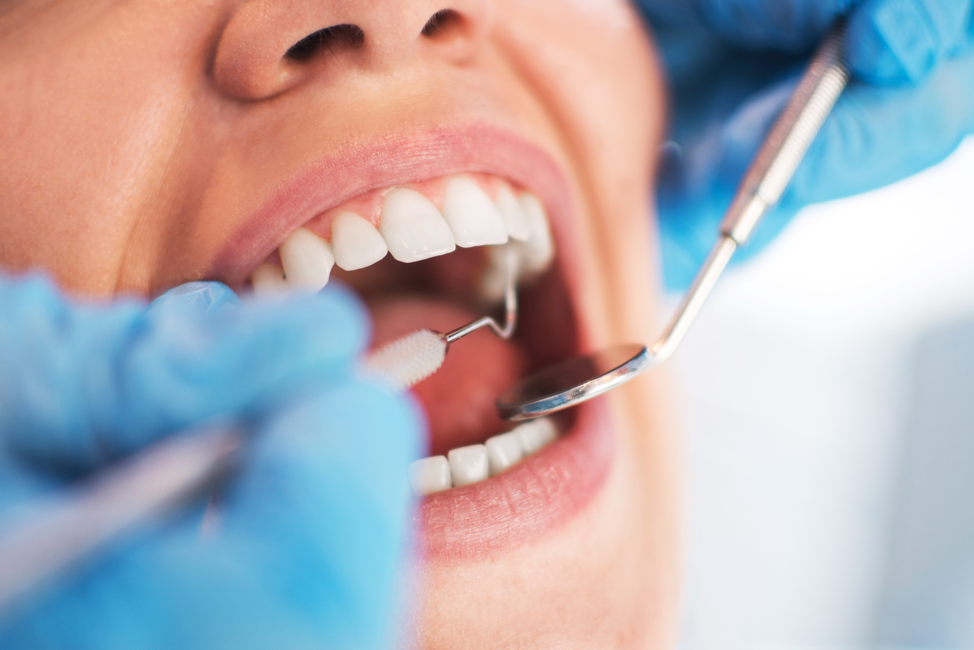
You use your teeth to eat, speak, and show emotion every day. Yet you might only think about the dentist when something hurts. That delay costs you time, money, and comfort. Preventive dentistry changes that pattern. It helps you stop problems before they start. Regular cleanings, exams, and simple home habits protect you from pain, infection, and tooth loss. They also lower your risk for diseases that affect your whole body. A Juno Beach dentist can spot early warning signs you cannot see in the mirror. Small cavities, gum swelling, and worn enamel all grow worse when you ignore them. Early care keeps treatment short, simple, and less costly. It also helps you keep your natural teeth for life. This blog explains why preventive dentistry should always sit at the center of your oral care plan.
Table of Contents
What Preventive Dentistry Really Means
Preventive dentistry is simple. You and your dentist work together to stop disease before it starts. You focus on three things.
- Clean teeth and gums
- Early checks
- Fast treatment of small problems
Preventive care is not only for children. You need it at every age. Your teeth change as you grow. Your gums change as you age. Your habits change as life changes. Regular visits help you adjust and stay ahead of harm.
Why Waiting For Pain Is So Risky
Pain is a late sign of trouble. By the time you feel a toothache, the damage is often deep. A small cavity can grow into an infection. Gum irritation can turn into gum disease. Both can lead to tooth loss.
Research from the Centers for Disease Control and Prevention shows that almost half of adults over 30 have some form of gum disease. Gum disease often starts with no pain. You might only notice mild bleeding when you brush. That is easy to ignore. That silence is dangerous.
When you wait for pain, you often need stronger treatment. That can mean more visits, more time off work, and higher costs.
How Prevention Protects Your Whole Body
Your mouth is part of your body. Infection in your gums does not stay put. Bacteria can enter your blood and stress your heart, lungs, and immune system. Studies link poor oral health with heart disease, stroke, and trouble controlling blood sugar.
The National Institute of Dental and Craniofacial Research explains these links in plain language. When you care for your mouth, you also lower strain on your body. You breathe easier. You eat better. You sleep better.
Daily Habits That Make A Big Difference
Preventive dentistry starts at home. You can control more than you think. Focus on three core habits.
- Brush your teeth two times each day with fluoride toothpaste
- Clean between your teeth once each day with floss or another tool
- Limit sugary drinks and snacks
Then add simple steps.
- Drink tap water with fluoride when possible
- Wear a mouthguard during sports
- Do not use tobacco in any form
These habits look small. Over years they protect you from decay, infection, and tooth loss. They also make your checkups faster and easier.
What To Expect At A Preventive Visit
A routine visit is not just a quick cleaning. It is a full check of your mouth and jaw. You can expect three main parts.
- Cleaning of teeth and gums to remove plaque and tartar
- Exam of teeth, gums, tongue, and cheeks
- Review of your habits, health history, and any new symptoms
Your dentist might also use X rays. These show decay between teeth, bone loss, and other hidden issues. Your care team then gives you clear steps to follow at home.
Prevention Versus Treatment: Time And Money
Preventive care costs much less than treatment for late stage disease. The table below shows a simple comparison. Costs are rough and can change by location. The point is the size of the gap.
| Type of Dental Service | Purpose | Typical Visit Time | Relative Cost Level |
|---|---|---|---|
| Routine exam and cleaning | Prevent problems and remove buildup | 30 to 60 minutes | Low |
| Fluoride treatment | Strengthen enamel and prevent decay | 5 to 10 minutes | Low |
| Small filling | Repair early cavity | 30 to 45 minutes | Medium |
| Root canal and crown | Save tooth with deep decay or infection | 1 to 2 visits of 60 to 90 minutes | High |
| Tooth extraction with replacement | Remove tooth and replace with bridge or implant | Several visits | Very high |
Regular exams and cleanings sit at the low end of cost and time. Tooth loss and replacement sit at the high end. Prevention keeps you on the lower side of this chart.
Special Concerns For Children And Older Adults
Children and older adults face extra risk. They need steady support.
For children.
- Baby teeth hold space for adult teeth
- Early decay can affect speech and growth
- Sealants on back teeth can block cavities
For older adults.
- Dry mouth from medicines raises decay risk
- Gum recession exposes roots
- Missing teeth affect balance, diet, and social life
When you bring children in early, they learn that the dental chair is safe. When older adults keep regular visits, they hold on to comfort and dignity.
How To Make Preventive Care A Lifelong Habit
You can build prevention into your routine. Start with these three steps.
- Put dental visits on your calendar every six months and treat them like any other health appointment
- Keep a simple kit at home with a soft brush, fluoride toothpaste, floss, and a small mirror
- Talk with your dentist about your medical history and any money concerns
Your dentist can adjust your schedule, suggest lower cost options, and guide you toward community clinics if you qualify. You do not need to manage this alone.
Putting Your Mouth First Protects Your Future
Preventive dentistry is not extra. It is the base of your health. When you choose regular care, you avoid sudden pain. You protect your budget. You guard your heart, lungs, and blood sugar. You also keep your smile strong for the people you love.
You deserve a mouth that works well and feels calm. Start with one choice today. Schedule your next checkup. Place a new toothbrush by your sink. Cut one sugary drink. Each step is small. Together they protect you for years.