

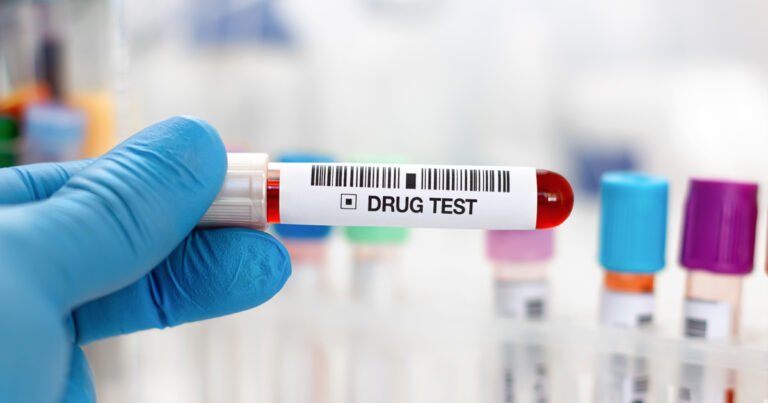
Drug testing in the workplace is no longer limited to industries like transport, aviation, or construction. A wider range of employers have introduced testing programmes as part of their duty of care obligations, and the growth of accessible testing products has made implementation more practical for organisations of all sizes. Understanding how to structure a programme correctly, what products are available, and what the legal landscape looks like is essential before rolling out anything that affects employment rights.
The rationale for workplace drug testing typically falls into several categories. Safety-critical environments with regulatory requirements to test are one group. Employers who have experienced incidents linked to impairment and want to formalise a deterrent are another. Pre-employment screening, which aims to avoid hiring individuals whose substance use creates risk or liability, is common across a wide range of sectors regardless of whether the job is safety-critical. Each of these applications calls for a slightly different approach to testing frequency, substance panels, and result management.
Table of Contents
Understanding Panel Tests
Multi-panel urine tests are the standard tool for point-of-care workplace drug screening. The panel number refers to how many substance categories the test simultaneously screens for. A basic 5-panel test covers the most commonly encountered substances in workplace settings. A 12-panel test broadens coverage significantly, adding benzodiazepines, barbiturates, methadone, oxycodone, buprenorphine, and other prescription-class substances to the standard five.
For many employers, a broader panel is preferable because it captures both recreational substance use and misuse of prescribed medications that can impair judgement or coordination. Suppliers like 12 Panel Now provide multi-panel testing kits in bulk quantities designed for workplace use, with clear, easy-to-read result windows that support fast decision-making without laboratory infrastructure.
Building a Compliant Testing Policy
No testing programme should be implemented without a written drug and alcohol policy that employees have formally acknowledged. In the UK, this requirement is not optional. The policy must describe the circumstances under which testing can occur, the substances covered, what will happen if a positive result is recorded, and what the process is for challenging a result. Without this foundation, positive test results may not be defensible in a disciplinary or legal context.
Testing must be applied consistently to avoid claims of discrimination. If a policy specifies random testing, the randomisation process must be genuinely random and auditable. If post-incident testing is included, the threshold for triggering a test, such as any incident involving injury or property damage, should be defined clearly.
Confirmatory laboratory testing is the recommended process before taking any formal disciplinary action. Immunoassay panel tests are highly accurate as a first screen but carry a small false-positive rate. A confirmatory gas chromatography-mass spectrometry test on the same sample eliminates that uncertainty and makes results legally defensible.
Frequently Asked Questions
Do employers have the legal right to drug test employees in the UK? Yes, if a written policy exists that employees have acknowledged, and if testing is applied in a proportionate and consistent manner. Legal advice is recommended before implementing a programme.
What substances does a 12-panel drug test cover? Typically: cannabis, cocaine, opiates, amphetamines, methamphetamine, benzodiazepines, barbiturates, methadone, oxycodone, phencyclidine, buprenorphine, and tricyclic antidepressants, though this varies by manufacturer.
Can employees refuse a drug test? This depends on the policy terms and employment contract. Employees who have acknowledged a testing policy as a condition of employment typically cannot refuse without consequence.
How long do substances remain detectable in urine? It varies considerably by substance and frequency of use. Cannabis can remain detectable for weeks in regular users; most other substances are detectable for a few days to a week.
Is a positive panel test enough to dismiss an employee? Not on its own. Confirmatory testing, consideration of any relevant medical circumstances, and a fair disciplinary process are all required before dismissal can be justified.


