

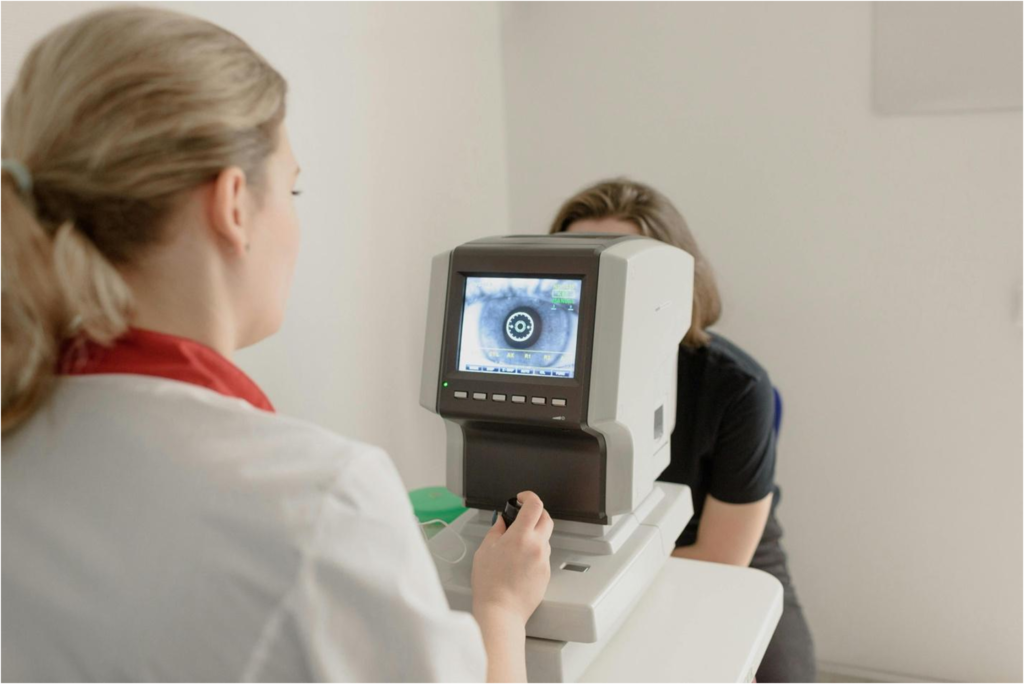
Cataract surgery is a widely performed procedure that replaces the eye’s clouded natural lens with a clear artificial one, restoring clarity of vision that has been lost gradually. If you’re considering cataract surgery in Houston TX, there are five key areas to evaluate carefully before proceeding, as each decision contributes to the overall outcome and experience.
Table of Contents
1. When to Schedule the Surgery
Cataracts often form slowly. At first, stronger prescriptions or increased lighting may help. But with time, symptoms such as glare, faded colours, and blurred vision begin to interfere with everyday tasks—reading, driving, or using screens.
Surgery used to be reserved for later stages. Now, many people choose to have the procedure earlier, when cataracts begin to cause visual disruptions rather than complete vision loss. Acting sooner can shorten the procedure, ease the recovery, and improve day-to-day comfort more quickly.
Scheduling should take personal circumstances into account. Recovery typically requires avoiding heavy lifting, water exposure, and intense eye use for several weeks. Planning ahead makes this period easier to manage.
2. Understanding Surgical Techniques
There are two main ways to perform the early steps of cataract surgery: manually or with laser assistance. Both methods are effective and safe.
Manual surgery uses fine handheld instruments. It’s reliable and widely practiced. Laser-assisted surgery involves using a guided laser system for added precision during key phases. This method is available in certain surgical centres that invest in advanced equipment.
Most people are suitable for either technique. Some conditions or eye characteristics may make one approach more suitable than the other. The final choice depends on available resources, the condition of the eye, and the method the surgeon recommends based on experience.
3. Selecting a Lens for Vision Correction
A key part of the procedure is choosing the artificial lens, known as an intraocular lens (IOL). The lens you choose will determine how well you see across different distances after surgery.
There are several types of lenses to consider:
- Monofocal lenses: These restore vision at one set distance, often for far sight. Glasses are usually needed for close-up tasks.
- Multifocal lenses: These include multiple focus points, offering improved distance and near vision.
- Extended depth-of-focus (EDOF) lenses: These expand the visual range across far and intermediate distances, useful for common activities such as screen use.
- Toric lenses: These correct astigmatism and can sharpen vision across all ranges, especially for those with irregular corneal shape.
Some patients also consider monovision—correcting one eye for distance and the other for near. This reduces the need for glasses but may require a short adjustment period.
Lens choice depends on lifestyle goals, visual needs, and overall eye health. Some people prioritize freedom from glasses, while others prefer the sharpest possible distance vision. An assessment of your current vision and preferences will help determine the most suitable option.
4. Who Performs the Surgery


The experience and skill of the surgeon can directly impact outcomes. While the procedure is routine, it still requires accuracy, preparation, and precision.
A few questions to keep in mind when choosing a professional:
- Do they offer both manual and laser-assisted surgery?
- Do they work with a full range of lens options and understand how to match those options to different patient needs?
- Are they transparent about recovery timelines and potential limitations?
- Do they provide clear explanations and encourage questions throughout the process?
It’s helpful to review previous patient experiences or speak to others who have had the procedure. Consistency in outcomes and the ability to manage complications—though rare—are also part of what defines surgical experience.
5. Where the Procedure Will Be Performed
Cataract surgery is typically done in day surgery centres, not full hospitals. The setting contributes to the efficiency and safety of the procedure.
Before choosing a facility, consider the following:
- Is the centre equipped with the latest surgical equipment and safety systems?
- Are support staff experienced with pre- and post-operative eye care?
- Is the location easy to reach, especially for follow-up appointments?
Some centres are co-located with clinics, which can make pre- and post-surgery visits more convenient. Others may offer short recovery rooms where you can rest briefly before returning home.
If health coverage applies, check what portion of the procedure is covered and whether specific lenses or techniques carry additional costs. Many people find that lens choice influences the total fee more than the surgical method itself.
A Better Outcome Through Informed Decisions
The goal of cataract surgery is clear vision—but reaching that point involves a series of small, thoughtful choices. Each one affects comfort, recovery, and visual satisfaction.
Making decisions early—about timing, lens type, surgeon, and facility—reduces last-minute stress and supports better outcomes. Those who take the time to prepare often report greater confidence and a smoother recovery.
Modern techniques, advanced lenses, and short recovery times have made cataract surgery one of the most successful vision-restoring procedures available today. Taking the time to consider your options carefully can help you achieve the visual clarity that supports your daily life and long-term goals.