

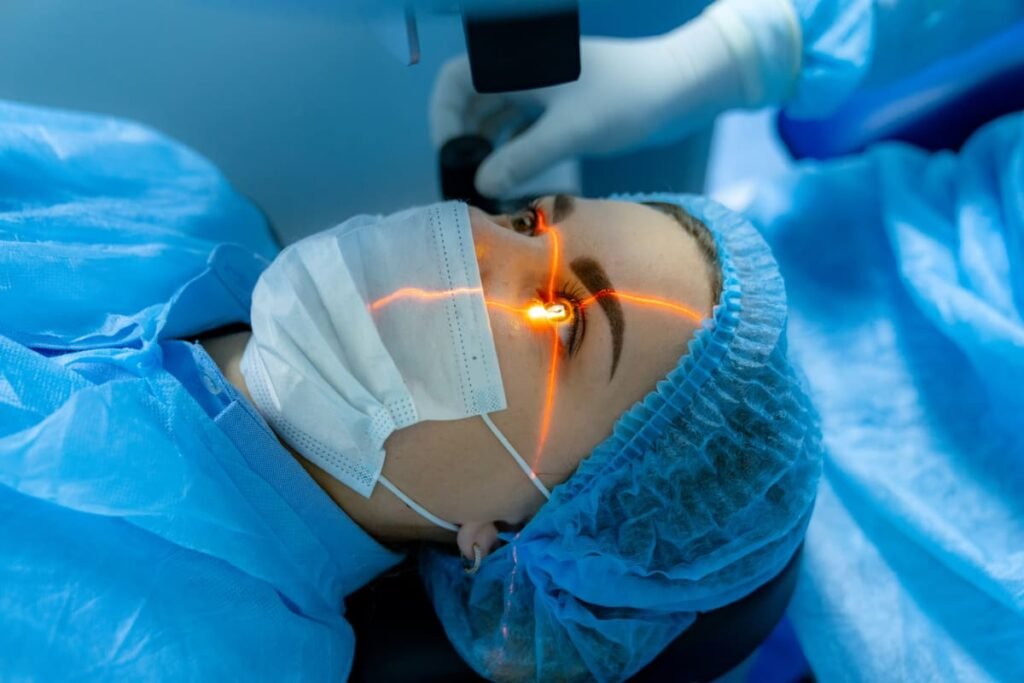
Cataracts refer to the clouding of your eye’s clear lens. This interferes with vision, causing blurred or dimmed sight that can be restored by surgically removing the clouded lens and replacing it with an artificial intraocular lens (IOL). Here are some tips for preparing for cataract surgery:
Table of Contents
Schedule Eye Exams
Eye exams allow doctors to evaluate your vision, determine cataract severity, and identify other underlying issues. Tonometry checks eye pressure, while visual acuity testing measures sharpness and clarity of sight. The slit lamp exam allows a close-up view of all eye structures. Dilation opens pupils for a clear look at the retina. By scheduling these exams before surgery, eye doctors can create a treatment plan suited to your vision needs.
Discuss Medications
Let your eye doctor know about all current medications, such as prescription drugs, over-the-counter products, supplements, and herbal remedies. This includes eye drops used for treating conditions like glaucoma. Medications like blood thinners or insulin may require special adjustment pre-surgery. Doctors may advise pausing some medications temporarily to prevent complications. Botulinum toxin injections or laser eye treatments should also be disclosed. Bring a list of all medications and dosing schedules to your eye appointments to help your doctor create a tailored preparation plan.
Plan Nutrition
Foods rich in vitamins and antioxidants may strengthen your eyes before surgery. Greens, fruits, and whole grains are full of nutrients like vitamins C, E, and beta-carotene. These nutrients combat oxidative stress and support eye health. Healthy fats found in fatty fish promote cellular regeneration, assisting with healing after treatment. Nutrient-dense foods provide the building blocks that bodies use to recover from cataract surgery. Stay hydrated, as additional fluids may keep tissues moisturized and pliable. Limiting sugars and processed foods reduces inflammation that may interfere with healing.
Organize Recovery Spaces
A cataract procedure may temporarily disrupt your vision, so try to prepare your home for recovery. Carrying heavy groceries or driving may be restricted post-surgery, so buy extra household supplies in advance. Stock up on non-perishable foods, drinks, medications, pet supplies, and hygiene items before surgery. Rearranging furniture and decluttering high-traffic areas can prevent tripping hazards while your vision stabilizes. Creating a comfortable space for relaxing with audiobooks or music limits visual stimulation and makes recovery easier.
Anticipate Surgery Day Needs
You may need to fast for several hours before surgery to prevent anesthesia complications. Avoid wearing eye makeup and scented products, as these could irritate treated eyes. Dress in loose, comfortable clothing and avoid wearing jewelry. Bring sunglasses to protect your eyes from light exposure upon discharge. You should arrange for a loved one to drive you home because temporary blurry vision makes driving risky. Assess all pre-operative instructions from your surgeon and contact them with any questions.
Follow Eye Care
Your eye doctor will provide detailed instructions for post-operative eye care. You will need to apply prescription eye drops to prevent infection and inflammation. Temporarily wearing shields or bandages protects the treated eye from physical contact. Avoid rubbing or pressing on the eye after treatment. Bright light exposure can delay healing or damage the new lens implant, so wear protective eyewear outdoors to block harmful UV rays. Abstain from swimming, hot tubs, contact sports, and heavy lifting until your eye doctor clears you to resume these activities. Following all eye care instructions after surgery helps prevent complications.
Schedule Your Cataract Surgery
Cataract surgery preparation requires consulting with your surgeon. These professionals will explain the treatment process and how your preparation and post-operative actions influence its success. Thorough preparation may help you achieve better vision and eye health after the removal of cataracts. Contact an eye surgeon today to schedule an evaluation and begin preparing for your cataract surgery.