

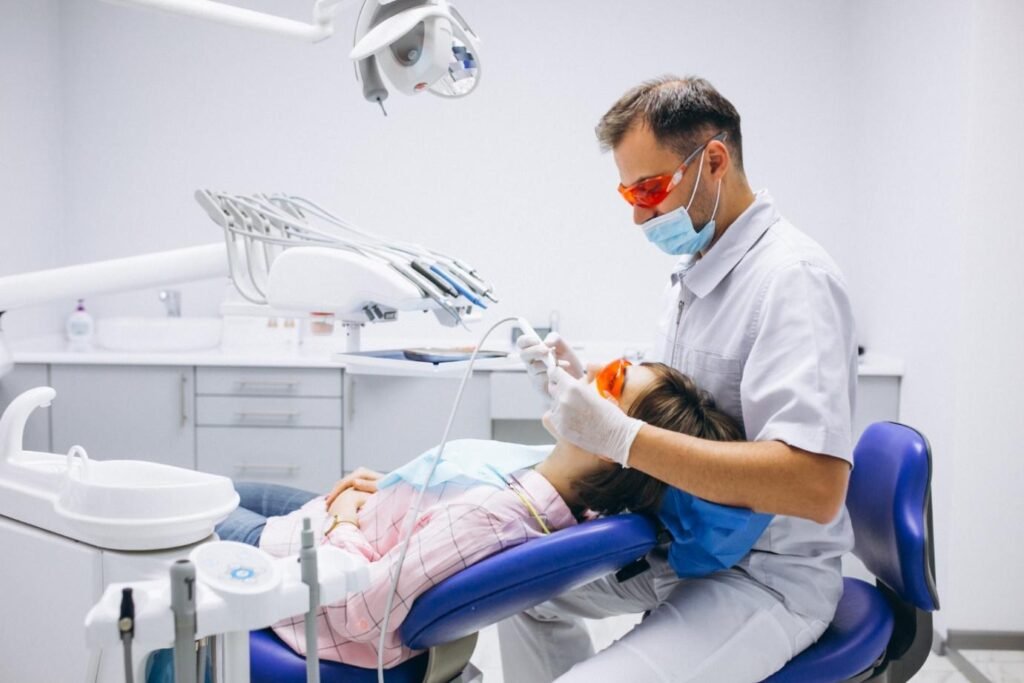
Your family’s teeth tell a quiet story every day. You may ignore small changes. You may feel too busy to call. Yet small problems grow into pain, missed school, and high bills. A routine visit can stop that cycle. This blog shares three clear signs it is time to schedule a family dental visit with a dentist in Cherry Hill, VA. You will see how your child’s habits, your own warning signs, and simple daily routines point to one clear next step. You will also learn what to expect during a visit so you can walk in calm and prepared. No guesswork. No confusion. Just plain signs that say it is time to act for your family’s health.
Table of Contents
Sign 1: Your Child Has Ongoing Mouth or Tooth Problems
Children often hide pain. They may chew on one side. They may eat more slowly. They may avoid cold drinks. These changes are quiet signals. They tell you something is wrong.
Watch for these signs in your child.
- Tooth pain that comes and goes
- Bleeding gums during brushing
- Bad breath that does not fade after brushing
- White or dark spots on teeth
- Jaw pain or trouble chewing
Each sign can point to early tooth decay or gum disease. The Centers for Disease Control and Prevention reports that cavities are one of the most common chronic conditions in children. Yet early care can stop decay. It can also protect adult teeth that have not yet come in.
Next, think about school. A child with mouth pain may miss class. Or they may sit in class but cannot focus. That pressure builds on you and your child. A family visit gives your child a checkup, cleaning, and a clear plan. It also gives you straight answers about what is going on.
Sign 2: You See Changes In Everyday Habits At Home
Your home is where you see early clues. These clues may feel small. They still matter. They tell you it is time for a visit before problems grow.
Common changes include three patterns.
- Brushing and flossing slip. Your child resists brushing. You rush your own routine. Nights feel hectic.
- Snacks and drinks shift. There is more juice, sports drinks, or sticky snacks. Water and plain milk show up less.
- Teeth look or feel different. You notice rough edges, food stuck often, or new stains in family photos.
The National Institute of Dental and Craniofacial Research explains that sugar and poor cleaning habits feed decay. That decay does not stop on its own. It spreads. It can move from baby teeth to adult teeth. It can also move from one family member to another through shared spoons or cups.
A family visit helps you reset habits. The dentist and team can
- Show your child how to brush and floss in a simple way
- Review snacks and drinks that protect teeth
- Place fluoride or sealants when needed
After that visit, your home routine feels clear. You know what to do in the morning, after school, and before bed. You also know which habits to change first. That clarity brings relief.
Sign 3: It Has Been Six Months Or More Since Your Last Visit
Time moves fast. Months pass. Dental care often slides to the bottom of the list. Yet the six-month mark is a strong signal. If it has been that long since your last visit, it is time to schedule one now.
Here is why the six-month schedule matters for most families.
- Plaque hardens into tartar that brushing cannot remove
- Small cavities can double in size in that time
- Gum problems can start without clear pain
Regular visits catch these early. They also give your dentist a clear record over time. That record helps spot slow changes you may miss in the mirror.
How Skipping Visits Affects Your Family
Missing routine visits carries a cost. It affects health, money, and daily life. The table below shows a simple comparison.
| Pattern | What Usually Happens | Impact On Your Family |
|---|---|---|
| Two visits per year | Early problems found and fixed | Fewer emergencies and less pain |
| One visit every year | Some problems grow between visits | More fillings and extra visits |
| Visits only when there is pain | Large cavities or infections by the time you go | Higher bills and missed school or work |
This pattern is clear. Routine care costs less time and money than urgent care. It also protects your child from sudden pain that can feel scary.
What To Expect At A Family Dental Visit
Many people avoid visits because they feel unsure of what will happen. That uncertainty can grow into fear. Clear steps help ease that weight.
At most family visits, you can expect three main parts.
- Review. You share health history, medicines, and any concerns. You can mention snoring, grinding, or mouth breathing.
- Exam and cleaning. The team checks teeth, gums, and bite. They clean away plaque and tartar. They may takeX-rayss if needed.
- Plan. The dentist explains what they see. You hear what is fine, what needs watching, and what needs treatment. You can ask every question.
Children often feel calmer when they know what will happen first, second, and third. You can walk them through these steps on the way to the office. You can bring a comfort toy or book. You can also model calm breathing. When you feel steady, your child feels safer.
How To Prepare Before You Call
A few simple steps make scheduling and attending smoother.
- Check your calendar for school, work, and sports times
- Write down any tooth or gum changes you have seen
- List all medicines for each family member
- Gather insurance cards and past dental records if you have them
Then call and ask for a family block of time when possible. That way, you can bring children together. You save trips. You also set one shared habit of routine care.
Take The Next Step For Your Family’s Health
Your mouth is part of your body. Tooth decay and gum diseaseare linkedk to heart disease and diabetes. They also affect speech, sleep, and self-esteem. You protect all of that when you schedule regular visits. You also teach your child that care is normal, not a crisis.
If your child has ongoing mouth problems, if home habits are slipping, or if it has been six months since your last visit, it is time to act. Call a trusted family dentist and book a visit for everyone. One phone call today can spare your family from pain, rushed decisions, and high costs tomorrow.