

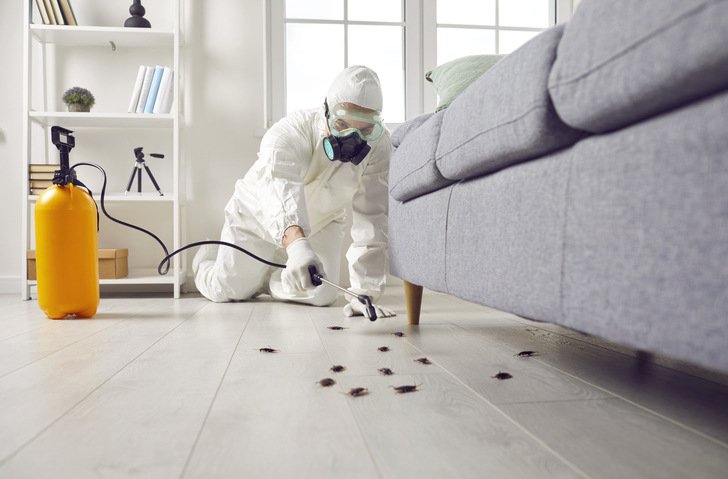
Winter in New Jersey brings more than cold air and early sunsets. You also face hungry mice, roaches, and other pests that push into your home for warmth. They hide in walls, basements, and attics. They chew wires, contaminate food, and trigger health fears. You may feel embarrassed or angry when you see droppings or hear scratching at night. You are not alone. Many families across the state fight the same quiet invasion every year. Winter extermination is not about quick sprays. It is about sealing cracks, cutting off food, and removing nests before they spread. This blog explains how winter pests behave, where they hide, and what steps protect your home. It also shows when to call licensed experts like BustaBug New Jersey for safe treatment. You deserve a clean, calm home, even in the hardest months.
Table of Contents
Why Winter Brings Pests Inside
Cold weather pushes pests to seek three things. They want warmth. They want food. They want water. Your home gives all three.
Common winter pests in New Jersey include mice, rats, cockroaches, spiders, and some ants. Each one uses small gaps to get inside. A mouse can squeeze through a hole the size of a dime. A cockroach can flatten its body and slide through thin cracks.
These pests do more than annoy you. Rodents chew wires and can raise fire risk. Roaches and mice spread germs that can affect breathing and stomach health. The Centers for Disease Control and Prevention explains how rodent droppings and urine can affect health on its rodent control page.
Where Winter Pests Hide in Your Home
You stop pests faster when you know where to look. Focus on three main zones.
- Kitchen and pantry. Pests seek crumbs, open boxes, and pet food bowls.
- Basement and crawl spaces. These spots give darkness and quiet. Pipes and vents often have gaps.
- Attic and wall voids. Rodents nest in insulation and near stored boxes.
Listen for scratching in walls. Watch for droppings along baseboards. Smell for strong urine odors in closed spaces. These signs show active nests.
Prevention Steps You Can Start Today
You can cut winter pests with steady, simple habits. Focus on three actions. Block entry. Remove food. Reduce clutter.
- Seal entry points. Use caulk around windows and doors. Add door sweeps. Patch holes in walls and around pipes with steel wool and foam.
- Protect food. Store grains, cereal, and pet food in hard containers with tight lids. Clean counters each night. Empty trash often.
- Clear clutter. Move boxes off floors. Use plastic bins. Keep firewood stacked away from the house.
The Environmental Protection Agency shares safe home pest tips through its Safer Pest Control guidance. These steps protect your family and reduce pests without heavy use of chemicals.
Common Winter Pests and Risks
| Pest | Typical Hiding Spots | Key Warning Signs | Main Risks |
|---|---|---|---|
| House mice | Basements, attics, behind appliances | Droppings, gnaw marks, scratching sounds | Wire damage, food contamination |
| Norway rats | Crawl spaces, garages, near trash | Larger droppings, burrows, greasy rub marks | Structural damage, disease spread |
| Cockroaches | Kitchens, bathrooms, drains | Egg cases, droppings, musty odor | Allergy flare ups, food contamination |
| Spiders | Corners, basements, storage boxes | Webs, egg sacs | Bites, fear and sleep loss |
| Overwintering insects | Windows, attics, siding gaps | Clusters on sunny walls, slow movement | Nuisance swarms on warm days |
When Home Efforts Are Not Enough
Some infestations grow fast. You may need a licensed exterminator if you see any of these signs.
- Daily rodent droppings in several rooms
- Live roaches seen in daytime
- Chewed wires or insulation
- Strong odors that do not fade after cleaning
- Bites or rashes of unknown cause
Traps and sprays from a store help in small cases. Large nests or hidden colonies often return. A trained expert finds nest sites, entry points, and moisture problems. That person also chooses products and methods that match your home, pets, and children.
How Professional Winter Extermination Works
Licensed services follow a clear process. First, they inspect. They look at the attic, basement, crawl spaces, kitchen, and outside walls. They search for droppings, rub marks, and nesting material.
Next, they build a plan. That plan may use traps for rodents, baits for roaches, and targeted dusts in wall voids. It should also include sealing gaps and fixing moisture sources.
Finally, they monitor. They return to check traps, review droppings, and adjust the plan. True control often takes several visits.
Protecting Children and Pets
Safety comes first. You have a right to ask what products are used in your home. You can request tamper resistant bait stations, snap traps in covered boxes, and low impact treatments.
Before any visit, you can take three steps.
- Move pet bowls and toys away from treatment zones
- Store baby items, blankets, and stuffed animals in sealed bins
- Plan short time outside the home if sprays are used
Ask for written instructions for reentry and cleaning. Follow them closely. This keeps your family safe and gives treatments time to work.
Planning Ahead For Next Winter
Winter pests do not have to return each year. You can build a simple yearly routine.
- Each fall, inspect your home exterior for gaps and seal them
- Clean and declutter basements and attics before cold weather
- Schedule a yearly inspection with a trusted exterminator
These steps reduce stress and protect your home through the cold months. With steady care and help from experts when needed, you keep control and restore quiet in your home.