

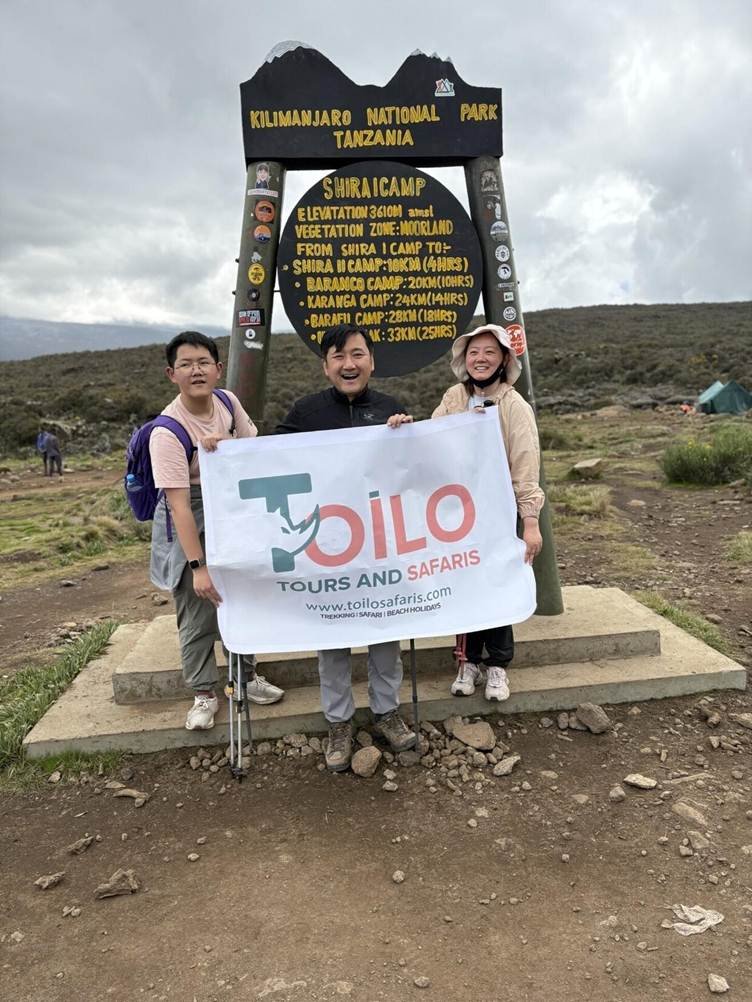
Climbing Africa’s highest peak is a dream for many adventurers, and the Mount Kilimanjaro Machame Route offers one of the most rewarding ways to reach the summit. This path is popular with climbers who want a challenge and an unforgettable experience. It is known for its beautiful scenery and varied terrain. Understanding what to expect can help you prepare mentally and physically for the journey ahead.
Table of Contents
A Scenic and Diverse Climbing Experience
The “Whisky Route” is another name for the Machame Route. This is because it is harder than some of the other routes. However, what sets it apart is the incredible variety of landscapes you encounter along the way. The trek begins in lush rainforest, where towering trees and vibrant wildlife surround you. As you ascend, the scenery gradually changes into moorlands, alpine deserts, and eventually icy summit conditions.
Each day on the trail feels like entering a new world. This diversity not only keeps the journey exciting but also provides excellent opportunities for photography and exploration. Climbers often find that the changing environments help break the monotony and keep motivation high.
Gradual Acclimatization for Better Success
One of the major advantages of the Machame Route is its “climb high, sleep low” profile. This approach allows your body to adjust more effectively to the altitude, which increases your chances of reaching the summit successfully. While altitude sickness is still a concern, the route’s design supports gradual acclimatization over several days.
Trekkers typically spend six to seven days on this route, allowing enough time to adapt. Being patient is very important, because rushing can make you feel bad or even make you have to go back. Listening to your guides and paying attention to your body will play a crucial role in your success.
Physical Challenges and Preparation
The Mount Kilimanjaro Machame Route is not a technical climb, meaning you do not need advanced mountaineering skills. However, it is physically demanding and requires good fitness levels. Long hiking days, steep ascents, and high altitude can test even experienced trekkers.
Preparing in advance is essential. Regular cardio exercises, strength training, and practice hikes can help build endurance. Mental preparation is equally important, as summit day can be particularly tough, often involving several hours of trekking in cold and dark conditions.
Daily Life on the Trail
Life on the Machame Route follows a structured routine. You begin each day with breakfast before setting off on a guided hike that can last several hours. Along the way, you will have breaks to rest, hydrate, and enjoy the scenery. Camps are set up in advance, allowing you to relax upon arrival.
Evenings are usually spent having dinner, discussing the next day’s plan, and getting enough rest. The support team, including guides and porters, plays a vital role in ensuring your comfort and safety. Their experience and encouragement can make a significant difference during challenging moments.
The Summit Push
Summit day is the most demanding yet rewarding part of the journey. Climbers typically start the final ascent around midnight, trekking in darkness with headlamps lighting the way. The climb is slow and steady, as the high altitude requires careful pacing.
Reaching Uhuru Peak at sunrise is an unforgettable moment. Standing at the top of Africa, surrounded by glaciers and vast landscapes, gives a sense of achievement that words cannot fully capture. It is the culmination of days of effort, determination, and perseverance.
Final Thoughts
Choosing to climb the Mount Kilimanjaro Machame Route means embracing both challenge and beauty. From dense forests to icy summits, every step offers a unique experience that few other adventures can match. If you prepare well, keep a good attitude, and get the right help, climbing Kilimanjaro this way is a goal that you can reach and will deeply reward you. Book Now