

Preparing premium beef requires understanding the biological properties of the meat. Wagyu is distinguished by its high concentration of intramuscular fat, often referred to as marbling. This fat melts at a lower temperature than standard beef, which dictates specific food preparation steps to preserve its integrity. Selecting the right cut depends entirely on the intended dining experience, whether that involves a formal seated dinner or a casual communal gathering. By matching the specific anatomical cut to the appropriate heat source, cooks can ensure the meat performs as intended.
Table of Contents
Pan-Searing for Steak Enthusiasts
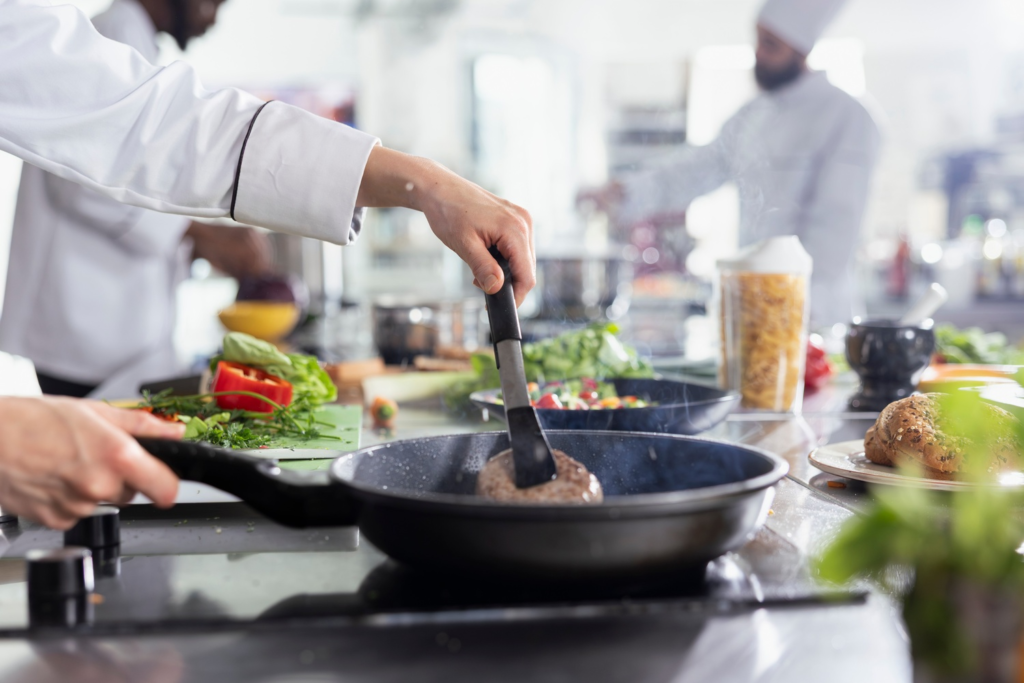
The most common method for enjoying high-grade Wagyu involves a quick, high-heat sear to develop a crust. A cast-iron skillet is the preferred tool for this because of its superior heat retention properties. Unlike a non-stick pan, which may struggle with high-temperature stability, heavy iron creates a consistent cooking surface that facilitates the Maillard reaction. This chemical process results in a mahogany brown exterior that provides a textural contrast to the tender interior.
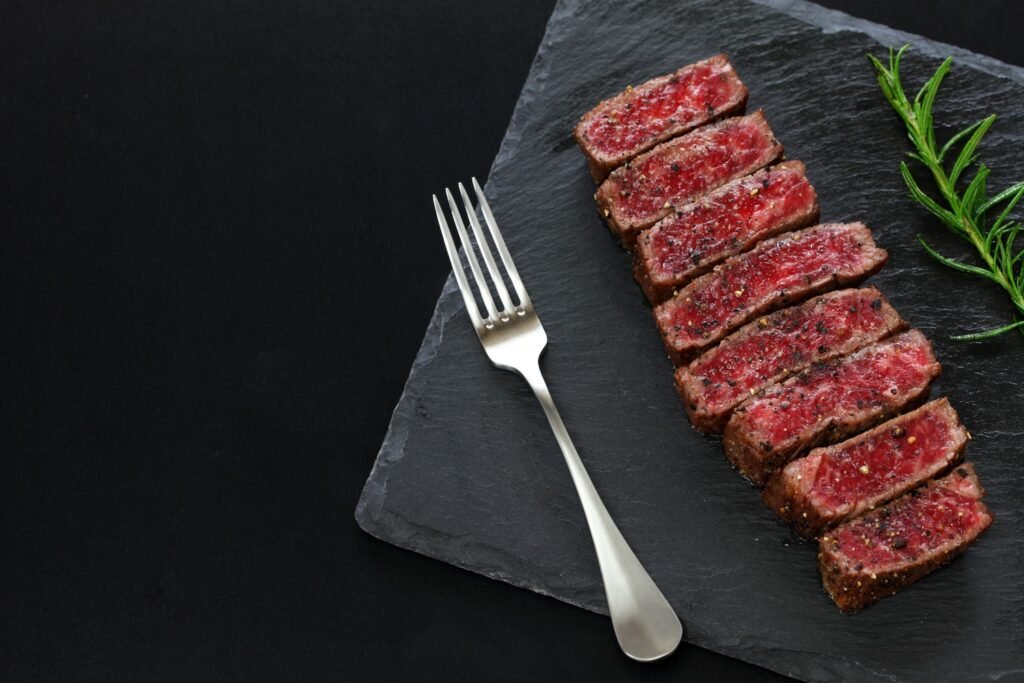
Before the meat touches the metal, it is advisable to apply a dry brine using sea salt at least forty minutes prior to cooking. This draws moisture out of the surface and then reabsorbs the seasoned liquid, deeply flavoring the fibers. When the steak hits the pan, the goal is a swift sear. Due to the high fat content, the beef provides its own lubrication as it renders. Once the desired internal temperature is reached, typically aiming for medium rare, the meat must be removed from the heat immediately.
Communal Dining and Thinly Sliced Varieties
Not every Wagyu experience requires a thick-cut steak. Many traditional Asian styles utilize thin slices that cook in seconds, making them ideal for social settings. For these preparations, many enthusiasts choose to buy Wagyu online to access specific cuts like brisket or chuck roll that are pre-sliced for convenience. These thinner portions are excellent for quick searing on a tabletop grill or brief immersion in a hot broth.
In these scenarios, the richness of the beef is often balanced with acidic or savory dipping sauces. Some traditional methods involve dipping the hot, cooked slice into a whisked raw egg, which creates a silky coating that complements the meat. A light drizzle of sesame oil can also enhance the aroma without masking the natural profile of the beef. Because these slices are thin, they require minimal intervention and a very short resting time compared to larger roasts or steaks.
Advanced Methods for Larger Cuts
When dealing with thicker portions or secondary cuts, standard frying may not be sufficient. Oven roasting or the reverse sear technique provides more control over the graduation of doneness. This involves placing the meat on a wire rack set over a baking sheet and cooking it at a low temperature until it sits just below the target finish. This slow rise in temperature ensures the fat renders evenly throughout the entire piece of meat.
For those seeking a more modern approach, an air fryer can be used for smaller, uniform cubes of Wagyu, though it requires careful monitoring to prevent overcooking. Regardless of the tool, the objective remains the same: achieving a buttery texture that characterizes high-marbling scores. Some chefs compare the richness of certain A5 Japanese varieties to foie gras due to the high density of monounsaturated fats. Maintaining a steady heat prevents the fat from simply leaking out, keeping the flavor locked within the muscle fibers.
Safety and Handling Standards
Handling high-value perishables requires strict adherence to food safety protocols. When the beef arrives, usually through a safe delivery service that utilizes temperature-controlled packaging, it should be moved to the coldest part of the refrigerator. If the meat has been vacuum-sealed, it may appear slightly darker than expected; this is a natural result of oxygen deprivation and will typically correct itself once the package is opened.
If you need to quickly bring the meat to room temperature or clean utensils, avoid using hot water directly on the beef, as this can start to melt the delicate fats prematurely. Instead, allow the meat to sit on the counter for thirty minutes prior to cooking. Proper hygiene during the transition from the cutting board to the heat source prevents cross-contamination and ensures the final dish is safe for consumption.
Finalizing the Wagyu Experience
Successfully serving Wagyu relies on the intersection of quality sourcing and disciplined technique. Whether you are performing a complex multi-stage roast or a simple pan-fry, the focus remains on respecting the unique caloric density and structure of the fat. By selecting the correct method for each occasion, you transform a premium ingredient into a precise culinary outcome. The result is a meal that emphasizes the natural capabilities of the cattle and the skill applied during the cooking process.