

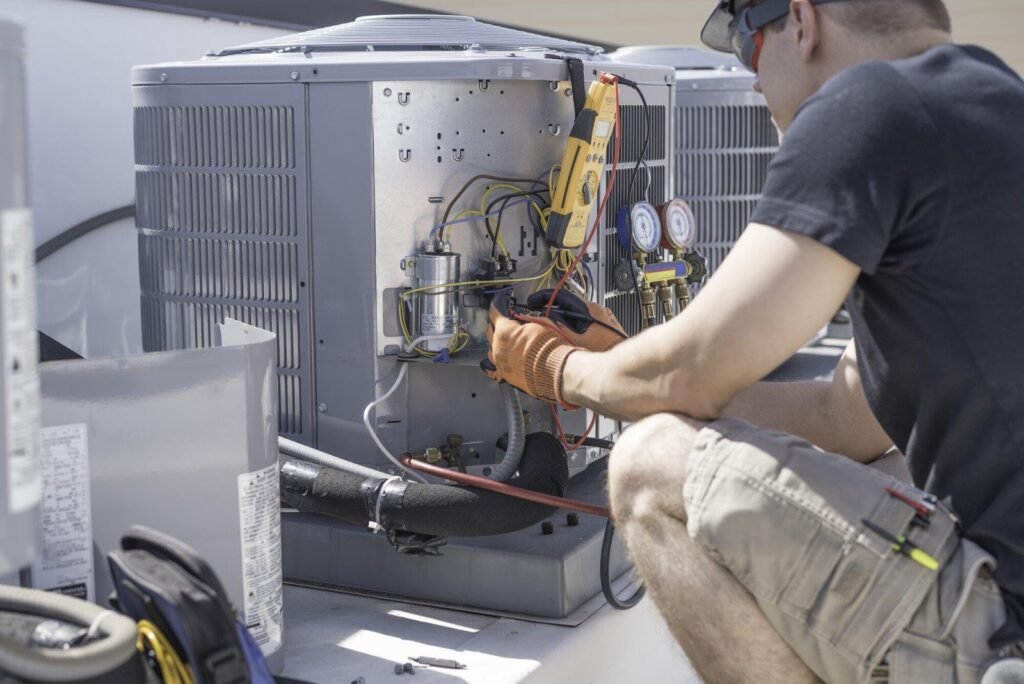
College Station homeowners know that real comfort is how your home handles moisture and heat throughout the year. The average humidity in College Station plays a major role in its climate, with annual levels hovering around 72.6%. Summers can feel oppressive, while winters, though mild, still bring chilly mornings that leave rooms uncomfortable without proper heating.
Choosing the wrong HVAC system can lead to high energy bills, uneven temperatures, and frequent repairs, leaving homeowners frustrated and overspending. Understanding how weather patterns here affect heating and cooling needs is essential for long-term comfort and cost savings.
In this blog, we’ll explore how College Station’s climate impacts HVAC installation choices and what it means for your home budget.
Table of Contents
Understanding College Station’s Weather Patterns
College Station experiences a mix of hot, humid summers and cooler, short winters. Humidity levels can remain high for much of the year, especially during the summer months.
This means:
- Air conditioning systems must work harder to remove moisture from indoor air.
- Inadequate dehumidification can lead to mold, dampness, and discomfort.
- Heating needs are moderate but should still ensure warmth during cold snaps.
Even without extreme cold, ignoring the climate’s influence can lead to inefficiency. A system sized only for cooling might underperform during cooler mornings or cloudy winter days, forcing homeowners to rely on space heaters or portable units, which increases costs and reduces comfort.
Why Climate Should Shape Your HVAC Choice?
Homeowners often focus only on upfront costs when installing an HVAC system. However, in College Station, climate-related factors can dramatically affect long-term expenses. Here’s why:
1. Humidity Management
High humidity in the summer can make the home feel warmer than it is. Systems that can remove excess moisture efficiently reduce strain on air conditioners, improve comfort, and prevent mold and mildew growth.
2. Temperature Swings
Daily highs and lows vary significantly, even in spring and fall. A system must balance both heating and cooling needs to avoid overworking, which extends lifespan and lowers repair frequency.
3. Airflow and Ventilation
Humid climates require proper airflow to prevent condensation buildup and maintain indoor air quality. Systems without adequate ventilation can worsen indoor air problems, affecting comfort and health.
4. Energy Efficiency
Inefficient systems struggle with College Station’s humidity and heat, using more energy. Smart installation choices can reduce energy consumption and save money on monthly bills.
With climate challenges clear, the next step is picking a system designed to handle College Station’s heat, humidity, and seasonal changes efficiently.
Choosing the Right System for College Station
Understanding the climate helps homeowners make choices that protect comfort and reduce long-term costs. Consider these factors:
- Cooling Capacity: While it’s tempting to pick a smaller system for budget reasons, undersized units will overwork in College Station’s humid summers, reducing efficiency and lifespan.
- Humidity Control: Systems designed with advanced dehumidification features maintain comfort without constant overcooling.
- Heating Balance: Even mild winters benefit from consistent warmth. Efficient heating ensures you’re not spending extra on supplemental heating solutions.
- Air Quality Options: Proper ventilation and filtration systems keep indoor air comfortable, especially when humidity levels rise.
Overall, choosing the right system asks you to minimize maintenance costs and maximize efficiency year-round.
Installation Considerations Specific to College Station
Beyond choosing the right system, proper installation is crucial. College Station’s climate can reveal installation weaknesses over time:
- Ductwork Placement: Poorly insulated or improperly routed ducts can worsen humidity problems and reduce system efficiency.
- Equipment Location: Units placed in direct sunlight or areas prone to moisture may wear out faster. Strategic placement ensures optimal performance.
- Sealing and Insulation: Homes with leaks or poor insulation force HVAC systems to work harder, increasing energy usage and reducing comfort.
Investing in proper installation upfront prevents expensive repairs and early replacement. Even small mistakes, like overlooking airflow patterns, can have lasting financial impacts.
Long-Term Cost Implications
The wrong HVAC system or poor installation can significantly increase long-term expenses. Common issues include:
- Frequent repairs due to overworked systems
- Rising energy bills from inefficiency
- Reduced system lifespan, requiring early replacement
- Discomfort leading to supplemental cooling or heating solutions
Conversely, systems installed with climate-specific considerations maintain performance, reduce energy consumption, and keep repair costs lower. For College Station homeowners, this can mean saving thousands of dollars over the life of the system.
Maintaining Your System for College Station’s Climate
Even with the right installation, maintenance is key. Local weather patterns make proactive care essential:
- Regular Filter Changes: Humidity and dust can clog filters faster, reducing airflow and efficiency.
- Annual Inspections: Technicians can identify climate-related issues before they escalate.
- Duct Cleaning: Moisture buildup in ducts can reduce indoor air quality and system performance.
- Thermostat Settings: Smart thermostats help balance comfort and energy savings, adjusting for daily temperature fluctuations.
Consistent maintenance protects both your system and your home, ensuring long-term comfort without surprise costs.
Making Smart HVAC Investments in College Station
For homeowners in College Station, considering the climate in your HVAC decisions is essential. The right system, installed correctly and maintained properly, offers:
- Year-round comfort even in high humidity
- Reduced energy bills and lower long-term expenses
- Improved indoor air quality
- Fewer repairs and longer system lifespan
Homeowners who ignore these factors often end up paying more in repairs, energy, and replacements. Investing time in planning with your local climate in mind is the key to avoiding those pitfalls.
Final Thoughts
College Station’s unique weather patterns directly affect HVAC performance, comfort, and long-term costs. By prioritizing climate-specific needs, humidity management, airflow, energy efficiency, and proper installation, homeowners can enjoy consistent indoor comfort and significant savings.
Choosing the right system is a strategic decision that protects your home and budget. If you want to ensure peace of mind and efficiency for years to come, planning with College Station’s climate in mind is essential.
Homeowners looking for optimal performance should consider these factors carefully when scheduling HVAC installation in College Station.
FAQs
1. Can HVAC zoning improve comfort in College Station homes?
Yes. HVAC zoning lets you control temperatures in different areas independently, ensuring rooms with high sunlight or humidity stay comfortable, reducing energy waste, balancing airflow, and improving overall home comfort throughout the year.
2. Does the direction my home faces affect HVAC performance?
Absolutely. Rooms facing south or west receive more direct sunlight, increasing cooling demand in summer. Proper HVAC placement, shading, and system adjustments help maintain even temperatures and reduce strain on the system.
3. How often should HVAC ducts be checked in humid climates?
In College Station’s humid climate, annual duct inspections are recommended to identify moisture buildup, leaks, or mold. Regular checks maintain air quality, system efficiency, and prevent long-term damage to HVAC components.