

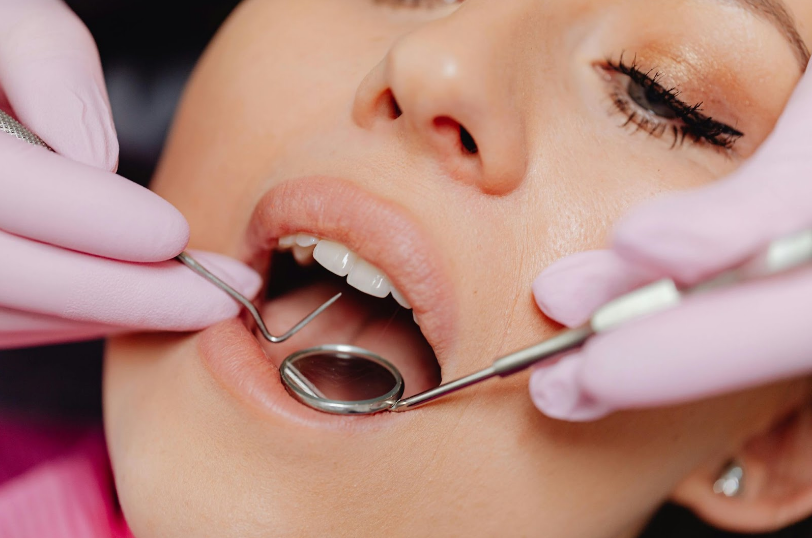
Your smile shows more than teeth. It shows health, habits, and how you feel about yourself. Preventive dentistry keeps your mouth strong. Cosmetic dentistry shapes how your smile looks in daily life. You need both for complete care. Routine cleanings, exams, and X‑rays help stop cavities and gum disease. At the same time, whitening, bonding, and veneers fix stains, chips, and gaps that wear down your confidence. Together, these services protect your teeth and support your self‑image. They also make it easier to brush and floss. Straight, smooth teeth collect less plaque. So you face fewer problems over time. A Dentist in North Richland Hills, TX can help you build a plan that starts with prevention and then adds cosmetic steps when you are ready. You gain a healthy mouth, a steady smile, and a simple path to keep both for years.
Table of Contents
What Preventive Dentistry Covers
Preventive care focuses on stopping problems before they start. It protects your teeth, gums, and jaw.
Key steps include:
- Regular exams and cleanings
- Fluoride treatments
- Dental sealants for children and some adults
- X‑rays to spot early decay and bone loss
- Mouthguards for sports or teeth grinding
The goal is simple. Catch trouble early. Stop pain before it starts. Keep your natural teeth as long as possible. The Centers for Disease Control and Prevention explains that tooth decay and gum disease are common yet preventable with steady care at home and in the dental office.
What Cosmetic Dentistry Adds
Cosmetic care focuses on the look of your teeth and gums. It can also support a function.
Common cosmetic services include:
- Teeth whitening
- Tooth‑colored fillings
- Bonding to repair chips and close gaps
- Veneers to change shape and color
- Clear aligners or braces to straighten teeth
- Crown lengthening to fix a “gummy” smile
These treatments do more than change photos. They can improve bite, reduce plaque traps, and support clear speech. They also help you feel at ease when you talk, laugh, and eat around others.
How Both Work Together
Preventive and cosmetic care are not separate paths. They support each other.
Here are three ways they connect:
- Healthy gums and clean teeth give a strong base for whitening, veneers, and bonding
- Straighter and smoother teeth from cosmetic work are easier to brush and floss
- Stronger self‑esteem makes you more likely to keep up with checkups and home care
When you combine both, you protect your mouth and your sense of self. You also lower the chance of larger treatment later.
Preventive vs Cosmetic Care: Simple Comparison
| Type of care | Main goal | Common examples | Helps with health | Helps with appearance |
|---|---|---|---|---|
| Preventive | Stop disease and protect teeth | Cleanings, exams, fluoride, sealants | Yes | Some |
| Cosmetic | Improve how your smile looks | Whitening, bonding, veneers, aligners | Often | Yes |
| Both together | Complete oral care | Prevention first, cosmetic when ready | Strong | Strong |
Why Straight and Smooth Teeth Stay Healthier
Teeth that crowd or tilt create tight spaces where plaque hides. These spots are hard to reach with a brush or floss. Over time, that leads to decay and sore gums.
Cosmetic steps like aligners, bonding, or reshaping can:
- Open tight contact points so floss can slide through
- Remove sharp edges that cut cheeks or lips
- Smooth rough fillings that trap food
Then preventive care works better. Cleanings remove more plaque. Fluoride reaches more enamel. You spend less time in the chair for repairs.
Cosmetic Dentistry That Protects Teeth
Some cosmetic care also strengthens tooth structure.
Examples include:
- Tooth‑colored fillings that seal out new decay
- Crowns that cover weak or cracked teeth
- Veneers that shield worn front teeth
These treatments guard your teeth from heat, cold, and pressure. They also seal rough or broken parts that collect bacteria. The National Institute of Dental and Craniofacial Research stresses that repaired teeth still need cleanings. Yet strong restorations can lower the chance of repeat decay in the same spot.
Building a Family Plan for Complete Care
Every family member has different needs. A shared plan keeps care simple and steady.
For children:
- Start exams by the first birthday or first tooth
- Use sealants on back teeth when they come in
- Consider bonding for chips from sports or play
For teens:
- Stay on top of cleanings during braces or aligners
- Use mouthguards for contact sports
- Discuss safe, supervised whitening if stains cause shame
For adults:
- Keep two checkups per year or as advised
- Review options for whitening, veneers, or bonding after decay and gum issues are under control
- Ask how cosmetic changes may shorten daily care time
Questions to Ask Your Dentist
Before any cosmetic work, make sure your mouth is healthy. Use these questions during your visit.
- Are my gums free of infection
- Do I have any untreated cavities
- Which cosmetic steps might also protect my teeth
- How will this treatment affect brushing and flossing
- What home care should I follow to keep results
You deserve a smile that feels strong and looks true to you. When you pair preventive visits with thoughtful cosmetic care, you protect your health, your comfort, and your confidence at the same time.