

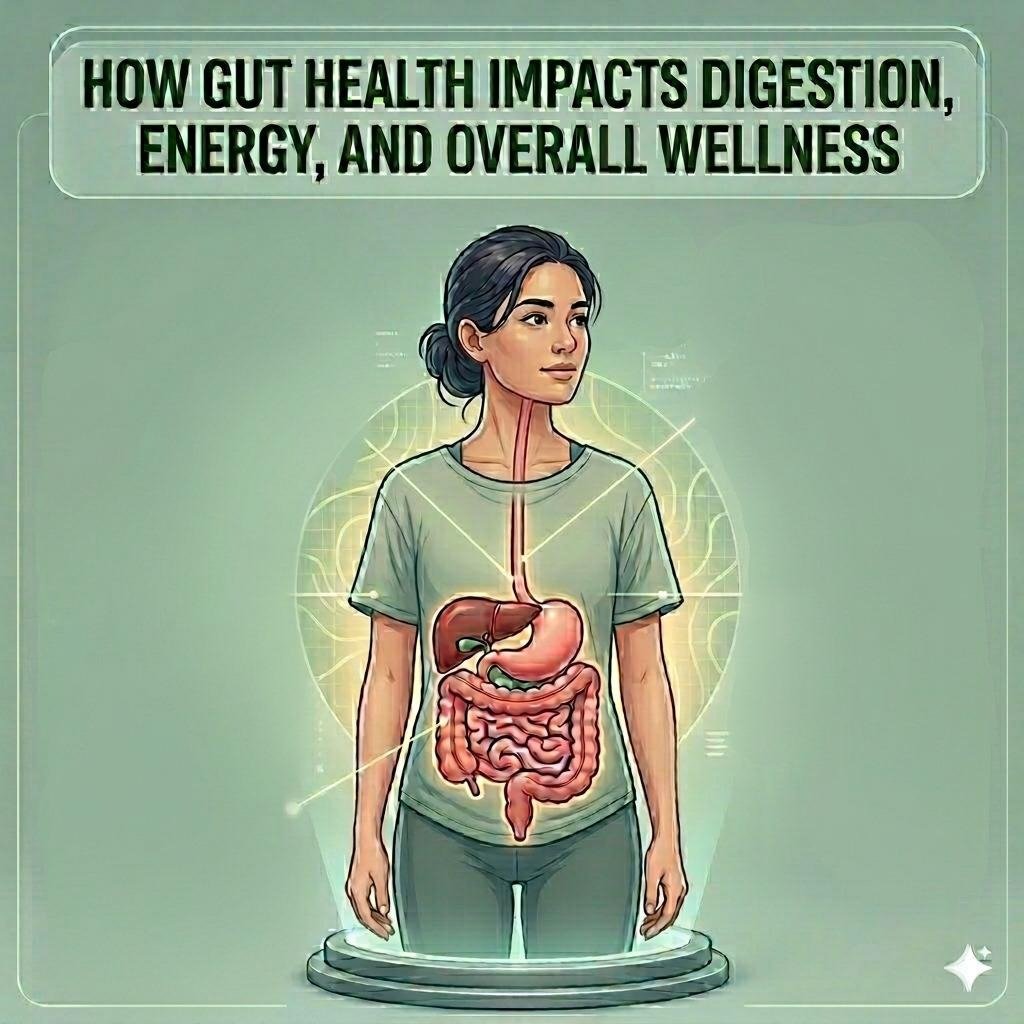
You finish lunch and expect to feel fine. Instead, there’s that familiar heaviness — a sluggish feeling that settles in your chest and stomach, making it hard to focus, stay alert, or even feel like yourself. You might chalk it up to eating too much, or not sleeping well, or just a stressful week. But what if the real explanation runs deeper than any of those surface reasons? What if your gut is quietly signaling that something inside isn’t working the way it should?
This is worth paying attention to — not because digestion is complicated, but because most people are looking in the wrong place for answers.
The Gut Is More Than a Digestive Organ
Most people think of the gut as a tube that processes food. That’s true, but it’s only a fraction of what’s actually happening. The gut is home to trillions of microorganisms — bacteria, fungi, and other microbes — that collectively influence how your body absorbs nutrients, regulates inflammation, produces certain neurotransmitters, and even communicates with your immune system.
When this ecosystem is balanced, digestion tends to feel smooth. Energy is steady. Skin is clear. Mood is stable. But when the balance tips — through poor diet, chronic stress, disrupted sleep, or overuse of certain medications — the effects ripple outward in ways that don’t always feel obviously connected to the gut.
That’s what makes gut dysfunction easy to miss. The symptoms often show up somewhere else entirely.
Why Digestion Breaks Down at the Root Level
When someone experiences bloating, irregular bowel movements, or that heavy post-meal fatigue, the instinct is to treat the symptom — take an antacid, cut out a food group, or drink more water. These steps may offer temporary relief, but they rarely address what’s driving the problem.
At the root, poor digestion is often linked to:
- Low stomach acid, which impairs the breakdown of proteins and reduces nutrient absorption
- Dysbiosis, an imbalance between beneficial and harmful gut bacteria
- Sluggish gut motility, where food moves too slowly through the digestive tract
- A compromised gut lining, sometimes called increased intestinal permeability
Each of these has its own upstream triggers. Chronic stress, for example, suppresses stomach acid production and alters gut motility. A diet high in processed foods reduces microbial diversity over time. These aren’t separate problems — they’re part of a connected system, and that system needs to be understood as a whole.
The Energy Connection Most People Overlook
Fatigue after eating is common, but it’s not normal in the sense that it shouldn’t be ignored. The gut is where your body extracts fuel from food. When absorption is compromised — because of dysbiosis, low digestive enzyme activity, or inflammation — even a nutritious meal may leave your cells under-nourished.
Iron, B12, magnesium, and zinc are among the nutrients most affected by poor gut health. A deficiency in any of these can contribute to persistent tiredness, brain fog, and low motivation. The body isn’t getting what it needs, not because you’re eating the wrong things, but because the internal environment needed to absorb and use those things isn’t functioning correctly.
This is a crucial distinction. Energy isn’t just about what you eat — it’s about whether your body can actually access what you eat.
How the Gut Connects to Skin, Hormones, and Beyond
The gut-skin axis is one of the clearest examples of how internal imbalances show up on the surface. Inflammation originating in the gut can trigger or worsen conditions like acne, eczema, and uneven skin tone. This happens because a compromised gut lining allows bacterial byproducts to enter the bloodstream, activating an immune response that often manifests in the skin.
Similarly, the gut plays a significant role in hormone regulation. Estrogen metabolism, for instance, depends partly on specific gut bacteria. When those bacteria are absent or outnumbered by harmful strains, hormonal imbalances may follow — contributing to irregular cycles, mood shifts, and even weight changes that feel unexplained.
These connections aren’t coincidental. They reflect how deeply integrated the gut is with the rest of the body’s systems.
What Most People Get Wrong About Fixing Gut Health
The most common mistake is treating gut symptoms as isolated events. Bloating gets addressed with gas relief drops. Constipation gets addressed with fiber supplements. Fatigue gets addressed with caffeine. Each symptom is handled separately, without ever asking why the system is struggling in the first place.
Approaches like Mool Health focus on identifying what’s happening at the internal level — not just what symptoms are present, but what patterns, imbalances, or deficiencies are generating them. That shift in focus — from symptom management to root-cause understanding — is what makes the difference between temporary relief and lasting change.
Final Thoughts
The gut doesn’t malfunction overnight, and it doesn’t recover overnight either. But understanding why symptoms are happening — rather than just what they are — changes how you approach your own health entirely.
If digestion feels off, if energy is inconsistent, if your skin or mood seems tied to what you eat, the body may be pointing toward something worth investigating more deeply. The answers are rarely on the surface. They live inside the system, waiting to be understood.