

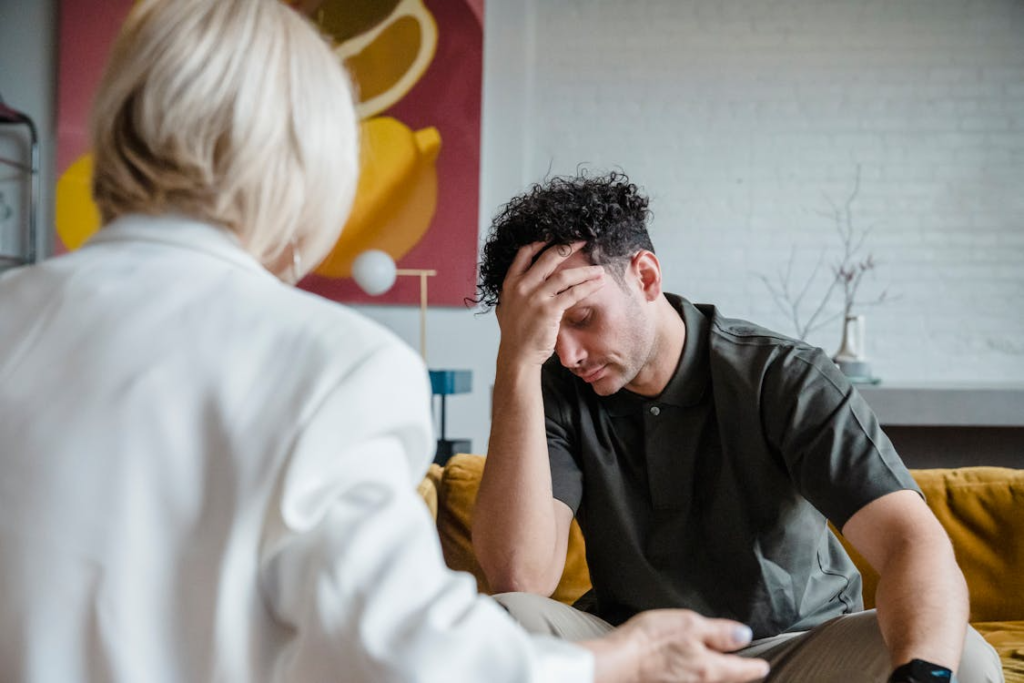
Co-occurring disorders are one of the most misunderstood health issues today.
For the past twenty years, researchers and clinicians have been working diligently to help clarify the complicated association between addiction and mental illness. The simple fact is, the two walk hand in hand. When an individual struggles with substance use and depression, anxiety, PTSD or another mental health issue, recovery is exponentially more complex.
But here’s the good news…
With proper drug rehab, individuals with co-occurring disorders do and can recover, one day at a time.
Here is what you need to know…
Table of Contents
What Are Co-Occurring Disorders?
A co-occurring disorder (also known as a “dual diagnosis”) refers to when an individual simultaneously experiences a substance use disorder AND a mental health condition.
It could be a case of alcoholism and depression. Or opioid addiction and PTSD. Or cocaine use and bipolar disorder. The possibilities are many — and that’s why treating co-occurring disorders in drug rehab takes a unique approach.
With the right diagnosis, experts such as those at changingtidesobx.com can identify both disorders and create a treatment plan to address them both simultaneously — not one by one.
Only treating the addiction? You leave the mental illness behind, and relapse is virtually inevitable. Only treating mental illness? The substance use erodes every gain you achieve.
That’s why integrated drug rehabilitation matters so much:
- It treats both at once: No more running from office to office with doctors who never communicate.
- It fixes the problem: It’s a vicious cycle where one condition exacerbates the other, and comprehensive care ends it.
- It helps avoid relapse: Trying to treat one side of the equation will always end in a relapse.
Pretty clear why this matters, right?
How Common Are Co-Occurring Disorders?
You might be surprised by just how common this is.
SAMHSA’s 2024 National Survey on Drug Use and Health found that 21.2 million adults had co-occurring mental illness and substance use disorder. That’s millions of families — and it should tell us this is not some rare, edge-case problem.
Even scarier… 34.5% of U.S. adults with mental illness also suffer from a substance use disorder. That means that of the population suffering from mental health problems, over 1 in 3 also have addiction layered on top of their mental illness.
But here’s where things get really tough:
Most people don’t get help. The treatment gap for co-occurring disorders is enormous, it’s one of the primary reasons that people fail at recovery in the long-term.
Why Addiction and Mental Illness Often Happen Together
Addiction and mental health disorders do not occur together by a single underlying cause. Instead, a variety of factors all contribute simultaneously.
Let’s break them down…
Self-Medication
This is the big one.
When someone has untreated anxiety, depression or trauma, drugs and alcohol seem to be the easy way out. The pain vanishes. The racing thoughts stop.
But it’s a trap. Tolerance builds, the underlying problem increases, now you have two problems instead of one.
Shared Brain Chemistry
Mental illness and addiction actually affect many of the same parts of the brain.
The areas of the brain that regulate reward, decision-making and impulse control are affected by both disorders. That’s why a person with depression may be more susceptible to addiction — and why a person with a substance use disorder may develop anxiety or mood disorders they didn’t have before.
Genetics and Environment
Genetics make up about 40% to 60% of a person’s risk for addiction. And many of the same genetic factors overlap with mental illness.
Mix that in with stressful circumstances, trauma, or adverse childhood experiences, and you have the recipe for co-occurring disorders to take root.
The Best Drug Rehabilitation Approach For Dual Diagnosis
Here’s where things get tricky…
Conventional drug rehab programs address addiction in isolation. They try to stop people from using the substances, but they don’t treat the underlying mental illness. It’s a big mistake — and the reason so many people relapse after traditional rehab.
A proper dual diagnosis program does things differently. For individuals who need support safely managing withdrawal before moving forward with broader treatment, Sixteen Mile Stand medical detox can provide medically supervised care during this early stage of recovery.
Integrated Treatment
What is most important, however, is that the two conditions be treated simultaneously, by the same team of doctors and therapists. That means:
- Therapists who understand both mental health and addiction
- Medications that support recovery from both conditions
- Therapy approaches that address underlying trauma and triggers
- Support groups designed for dual diagnosis
Evidence-Based Therapies
The most effective drug treatment programs offer therapies that have been proven to be effective for co-occurring disorders:
- Cognitive Behavioural Therapy (CBT): Helps change negative thought patterns.
- Dialectical Behaviour Therapy (DBT): Great for emotional regulation and impulse control.
- Trauma-Focused Therapy: Addresses PTSD and past trauma that often fuels addiction.
- Motivational Interviewing: Helps build motivation to stick with recovery.
Long-Term Aftercare
Recovery doesn’t stop after rehab. The most effective programs provide long-term aftercare, including ongoing counseling, peer support, and relapse prevention. This is essential, since co-occurring disorders are often chronic conditions that require continuous management.
Signs Someone Might Have a Co-Occurring Disorder
Identifying a co-occurring disorder can be challenging. The signs of addiction and mental illness can be very similar, and can hide one another.
But there are some warning signs to watch for…
Common Signs Include:
- Using drugs or alcohol to cope with stress, anxiety, or depression
- Mood swings that get worse when substance use increases
- Withdrawal from friends, family, and activities they once enjoyed
- Trouble holding down a job or completing daily tasks
- Previous mental health diagnoses that never got proper treatment
- History of trauma or abuse
- Failed attempts at quitting on their own
If you or a loved one have a few or all of these symptoms then it’s time to get professional help. Co-occurring disorders seldom improve without treatment.
The earlier one receives proper drug rehabilitation for dual diagnosis the better off they are.
Final Thoughts
Co-occurring disorders are complicated. No doubt about it.
But millions of people get better from them every year with the right treatment. The key is finding drug rehabilitation that treats addiction and mental illness together, as one single problem — not two separate issues.
To recap:
- Co-occurring disorders happen when addiction meets mental illness
- They are way more common than most people realise
- Self-medication, shared brain chemistry, and genetics all play a role
- Integrated drug rehabilitation is the gold standard for treatment
Don’t wait if you’re hurting or if someone you love is hurting. Recovery is possible — and the sooner you get the right treatment, the better the results.