

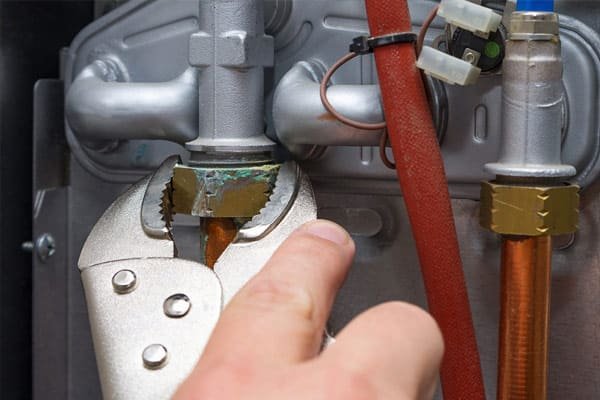
High-efficiency condensing furnaces deliver heat by extracting more energy from combustion and then managing the cooler exhaust through a secondary heat exchanger. That design improves fuel efficiency but also adds components and pathways that create unique repair challenges. Water is now part of normal operation because flue gases condense into liquid, which must drain reliably and remain separated from pressure switches and control boards. Airflow settings matter, too, since these furnaces often run longer with a lower temperature rise, and a small error in blower speed can affect comfort and compliance with safety codes. Many units also rely on tighter venting requirements, stronger attention to intake air quality, and more sensors that must agree before ignition stays stable. When a homeowner reports short cycles, strange odors, rumbling, or error codes, the cause can be in the furnace, the vent system, the drainage path, or even the home air pressure balance. Repair work involves tracing how combustion air, exhaust, and condensate flow through the system, then confirming that the controls react as the manufacturer expects.
Where the toughest issues show up
- Condensate problems that mimic major failures
Condensing furnaces produce water during heating, so the condensate drain and trap are not optional; they are core components. A small blockage from dust, algae, or debris can back up into the pressure switch tubing or the inducer housing, causing lockouts that appear to be electrical failures. If the trap dries out, is installed incorrectly, or cracks, the furnace can draw air through the drain path, altering pressure readings and potentially preventing ignition or causing nuisance shutdowns. In cold climates, drain lines can freeze if they run through unconditioned space, and a frozen line can quickly lead to overflow and corrosion inside the cabinet. Pumped drains add another point of failure because a weak condensate pump, a stuck float, or a kinked discharge tube can stop drainage even when the furnace itself is fine. A thorough service call checks the slope of the tubing, the condition of the trap, pump operation, and signs of past overflow on the sheet metal and wiring. Many callbacks happen because the drain was cleared, but the root cause, like improper pitch or a partially blocked collector box port, was not corrected.
- Venting and combustion air issues in tight homes
High-efficiency furnaces use plastic venting and often pull combustion air from outdoors, which changes the repair checklist compared with older metal flue setups. The intake and exhaust pipes must meet length limits, elbow counts, and termination rules; even small deviations can cause unstable operation. Snow, leaves, insects, or ice can block terminations, triggering pressure switch faults or rough starts. Improperly glued joints, sagging pipe, or incorrect slope can cause condensate to pool in the exhaust line, restricting flow and causing rumbling noises or repeated ignition attempts. Inside the unit, the inducer motor and pressure switches are sensitive to these restrictions, so a technician may see error codes indicating the switches when the actual problem is a vent design or an outside blockage. Home pressure also matters because kitchen hoods, dryers, or bath fans can create negative pressure that disturbs combustion or pulls flue gases toward the cabinet if connections leak. Many homeowners call a Furnace Repair Service after noticing intermittent shutdowns, only to learn the furnace is protecting itself from borderline venting conditions, not suffering from a failed control board.
- Sensor networks ignition and flame stability
Condensing furnaces often use multi-stage or modulating burners, variable-speed blowers, and integrated control boards that monitor multiple inputs simultaneously. Pressure switches verify inducer performance and vent integrity, limit switches protect against overheating, flame sensors confirm stable combustion, and, in some cases, additional temperature sensors monitor secondary heat exchanger conditions. Dirt on a flame sensor can cause the burner to light and then shut off a few seconds later, creating a repeating cycle that appears to be a gas valve issue. Incorrect gas pressure or partially blocked burners can produce delayed ignition, small booms, or a fluttering flame pattern that triggers safety responses. Igniters can crack or weaken over time, leading to intermittent no-heat calls that only show up on cold mornings. Electrical grounding and polarity also matter more than many homeowners realize, because flame rectification depends on a solid electrical path, and a miswired outlet can cause nuisance flame loss. Effective repair work involves cleaning and testing components, measuring voltage and microamp signals, and confirming the sequence of operation step by step instead of swapping parts based on one code.
Repairs that avoid repeat calls
Repairing high-efficiency condensing furnaces often means addressing water flow, venting behavior, and sensor feedback as one connected system. Condensate traps, drains, pumps, and tubing can cause faults that look electrical, while vent slope, termination blockage, and intake air conditions can trigger safety shutdowns that mimic failed parts. Flame stability problems may come from dirty sensors, weak igniters, grounding issues, or gas pressure that drifts outside the target range. The secondary heat exchanger and collector box area add another layer, since condensation and residue can create hidden restrictions or leaks that repeat if not fully corrected. A successful repair focuses on verifying the full sequence of operation, clearing root causes, and confirming the furnace runs steadily through multiple cycles. When homeowners understand that many errors are protective responses, not random malfunctions, it becomes easier to approve the corrective steps that prevent the same lockout from returning during the next cold spell.