

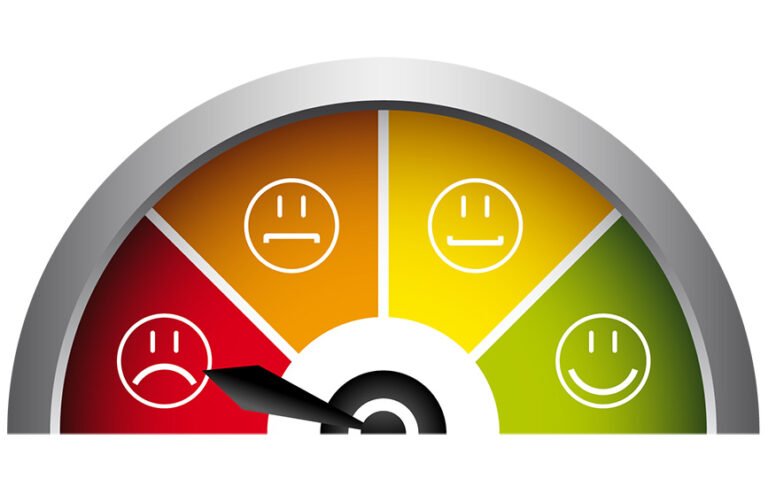
For businesses seeking to improve client satisfaction, implementing Customer Service Outsourcing Services can be a game-changing strategy. Many companies struggle with the balance between providing high-quality customer service and maintaining cost efficiencies. By outsourcing customer service functions, businesses can leverage expert teams and advanced technologies without the substantial overhead of an in-house team. This article explores how outsourcing customer service can enhance client satisfaction, detailing the key features of successful outsourcing solutions, methods for measuring satisfaction, and real-world success stories.
Table of Contents
How Customer Service Outsourcing Elevates Client Engagement
Outsourcing customer service elevates client engagement by offering specialized expertise that internal teams may not possess. By utilizing an Offshore Development Center (ODC), companies can access a global talent pool trained to handle specific client queries and services efficiently. This specialized focus ensures that clients receive consistent and knowledgeable support, which enhances their overall experience and boosts satisfaction. Additionally, utilizing Customer Service Outsourcing Services allows for improved service delivery and stronger client relationships.
An effective outsourcing strategy often includes the creation of a Service Level Agreement (SLA), which outlines the expected performance and quality standards. This agreement ensures that the outsourcing provider meets or exceeds these standards, directly impacting client satisfaction by delivering consistent service quality.
Furthermore, Business Process Outsourcing (BPO) allows businesses to focus on core competencies while leaving customer interactions to experts. This division of labor not only improves service quality but also increases client engagement by ensuring that all customer interactions are handled professionally and promptly.
Key Features of Effective Customer Service Outsourcing Solutions
Effective customer service outsourcing solutions are characterized by a few key features that directly impact client satisfaction. First, the use of Robotic Process Automation (RPA) can streamline repetitive tasks, allowing human agents to focus on more complex customer interactions. This technology speeds up response times and reduces errors, both crucial for maintaining high levels of client satisfaction.
Another feature is the integration of a Vendor Management System (VMS), which helps businesses manage their outsourcing providers efficiently. A VMS ensures that the chosen outsourcing partner aligns with the company’s service standards and client expectations, facilitating a seamless customer experience.
Furthermore, a Shared Services Model can be employed to centralize customer service functions. This model not only reduces costs but also ensures uniformity in service delivery, enhancing the consistency of client interactions across different channels and touchpoints.
Measuring Client Satisfaction Through Outsourced Services
Measuring client satisfaction is essential to gauge the effectiveness of outsourcing strategies. Performance Benchmarking is a useful tool in this regard, as it allows businesses to compare service delivery against industry standards. By identifying areas for improvement, companies can adjust their outsourcing strategies to better meet client needs and expectations.
Another crucial aspect is the implementation of Contingent Workforce Management, which monitors the performance of outsourced teams. This management system ensures that outsourced personnel are meeting the set performance metrics, thereby maintaining high levels of client satisfaction.
Customer feedback mechanisms are also vital for understanding client perspectives. Regular surveys and feedback loops provide insights into customer experiences, enabling businesses to make informed decisions about their outsourcing partnerships and strategies.
Real-World Success Stories of Enhanced Client Satisfaction
Numerous companies have successfully enhanced client satisfaction by implementing outsourcing strategies. For instance, a leading tech company utilized Customer Service Outsourcing Services to handle an increase in customer inquiries during a product launch. By employing an Outsourced Account Management team, they were able to reduce response times and improve customer satisfaction significantly. This approach not only streamlined operations but also allowed the internal team to focus on product development and innovation.
Another example is a financial services firm that adopted a Time and Material (T&M) Contract with their outsourcing provider. This flexible contract structure allowed the firm to scale their customer service operations during peak periods without compromising on quality. As a result, client satisfaction scores improved dramatically, demonstrating the effectiveness of strategic outsourcing.
Furthermore, a healthcare company implemented Remote Infrastructure Management (RIM) to support their customer service operations. This approach provided 24/7 support and reduced downtime, ensuring that clients always had access to the services they needed, thereby enhancing satisfaction and loyalty.
Conclusion
Implementing customer service outsourcing not only enhances client satisfaction but also streamlines business operations. By leveraging specialized expertise, advanced technology, and flexible contract structures, businesses can significantly improve their customer service capabilities. This strategy allows companies to focus on their core functions while ensuring that their clients receive the high-quality service they expect. Ultimately, outsourcing customer service is a proven method for boosting client satisfaction and driving business success.


