

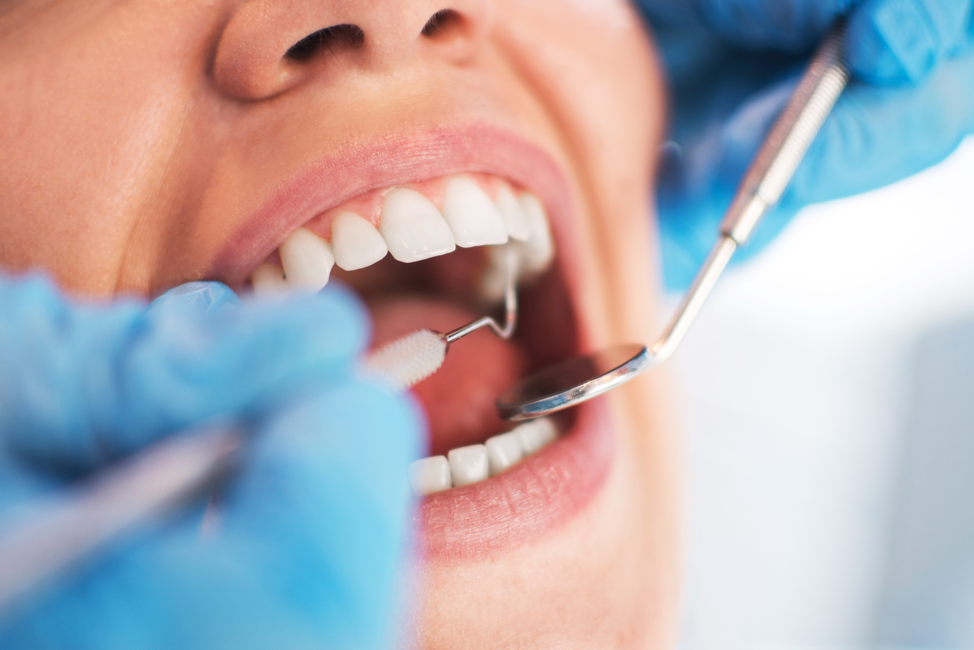
Caring for your mouth is hard when you live with medical problems. Simple brushing can feel risky. Certain drugs dry your mouth. Some conditions change how you swallow or breathe. You might fear the dentist because past visits hurt or felt rushed. A special needs dentist in San Jose, CA understands these pressures. This dentist plans every step around your medical history. First, the team studies your doctor’s notes. Next, they adjust the room, tools, and timing to match your needs. Finally, they built a simple routine you can follow at home. You do not need to hide your fears or symptoms. You can speak openly about pain, fatigue, or movement limits. This blog explains how special needs dentists lower risk, control pain, and protect your teeth when your body already carries enough weight.
Table of Contents
Who Counts As Medically Complex
You are medically complex when your body needs constant medical care. You may see many doctors. You may take many drugs. You may need help with daily tasks. Dental care can feel unsafe or out of reach.
Common examples include:
- Heart problems or stroke history
- Breathing problems such as asthma or COPD
- Diabetes or kidney disease
- Cancer treatment with chemo or radiation
- Seizure disorders
- Autism or intellectual disabilities
- Movement disorders such as cerebral palsy or Parkinson’s
- Rare genetic conditions
You still deserve clean teeth, a calm mouth, and safe care. A special needs dentist plans around your body instead of asking your body to fit the plan.
Why Oral Health Matters When You Are Already Sick
Bad teeth hurt. Gum infection can spread. According to the Centers for Disease Control and Prevention, poor oral health is linked to heart disease and diabetes problems.
When you are medically complex, mouth problems can:
- Trigger infections that strain your heart or lungs
- Make eating hard, which harms weight and strength
- Increase blood sugar swings
- Raise hospital visit risk
- Reduce speech and social comfort
Clean, pain-free teeth give you one less fight each day.
Step One: Careful Medical Review
Before any work, the dentist studies your health. This may feel slow. It is how risk drops.
The team will ask about:
- All diagnoses and recent hospital stays
- All drugs, vitamins, and allergies
- Any bleeding problems
- Past problems with anesthesia
- Seizure triggers
- How you move, sit, or lie down
- What causes fear or overload
Next, the dentist may contact your doctors. Together they agree on what is safe. For example, they may change blood thinner timing. They may adjust insulin before a long visit. They may ask for recent lab work.
Step Two: Adapting The Dental Visit
Special needs dentists change the visit to fit your body. Every detail matters.
They can change the space:
- Dim lights for sensory problems
- Quiet rooms for noise sensitivity
- Extra padding or supports for weak joints
- Wheelchair friendly rooms with lifts or transfer aids
They can change timing:
- Shorter visits with breaks
- First morning slots to reduce wait time
- Extra time for communication aids
They can change tools and positions:
- Smaller instruments for limited mouth opening
- Side lying positions for swallowing problems
- High suction for choking risk
- Bite blocks to protect teeth during seizures
Managing Pain, Anxiety, and Behavior
Pain and fear can stop you from getting care. A special needs dentist uses many methods, not just numbing shots.
Common methods include:
- Slow step by step explanations
- Show and tell of tools before use
- Hand signals to pause treatment
- Weighted blankets or comfort objects
- Topical numbing gels
- Local anesthesia in small, controlled doses
For some patients, the team may use:
- Oral sedation
- Inhaled nitrous oxide
- General anesthesia in a hospital setting
The decision depends on your health, past reactions, and the work needed. The American Dental Association explains sedation options in plain language.
Common Medical Conditions And Dental Adjustments
| Medical condition | Dental concern | Typical adjustment |
|---|---|---|
| Heart disease | Infection risk and blood pressure spikes | Short visits. Stress control. Possible antibiotics if your cardiologist advises. |
| Diabetes | Slow healing and gum disease | Morning visits. Blood sugar check. Close watch on gum swelling and bleeding. |
| Seizure disorder | Injury risk during a seizure | Bite blocks. Clear seizure plan. Limited triggers like bright lights. |
| Autism | Sensory overload and communication strain | Visual schedules. Quiet rooms. Same staff each visit. Slow desensitization. |
| Cancer treatment | Dry mouth and infection risk | Fluoride trays. Saliva substitutes. Gentle cleanings. Close work with oncology. |
| Cerebral palsy | Muscle tightness and swallowing problems | Supportive positioning. High suction. Short visits with rest breaks. |
Building A Simple Home Routine
The office visit is only part of your care. Daily habits protect you between cleanings. A special needs dentist keeps the plan short and clear.
They may suggest:
- Two brushings each day with a soft brush
- Fluoride toothpaste in a small pea-sized amount
- Foam handles or straps for weak grip
- Swabs or floss holders if floss is hard
- Rinses that do not burn
- Water rather than sugary drinks
For caregivers, the dentist can show safe ways to support brushing and flossing. You can ask for written steps and pictures. You can also ask for training on what early trouble signs look like. Red gums, white patches, broken teeth, or a change in breath all deserve a call.
Working With Your Medical Team
You should not have to coordinate every detail alone. A special needs dentist works with your doctors, nurses, and therapists.
This teamwork can include:
- Shared treatment plans
- Safe timing around surgeries or chemo
- Drug changes before or after dental work
- Plans for emergencies during a visit
This kind of steady, shared planning reduces surprises. It also protects you if something changes fast.
When To Seek A Special Needs Dentist
You may need this type of care when you notice any of these:
- You skip dental visits because of fear or past trauma
- You cannot sit in a chair without pain or breathing trouble
- You have seizures, oxygen needs, or feeding tubes
- You need help with brushing or cannot reach your mouth
- Your doctor says dental work could affect your condition
You deserve a dentist who accepts your limits and protects your health. With the right team, oral care can feel safe, steady, and calm, even when your medical life feels heavy.