

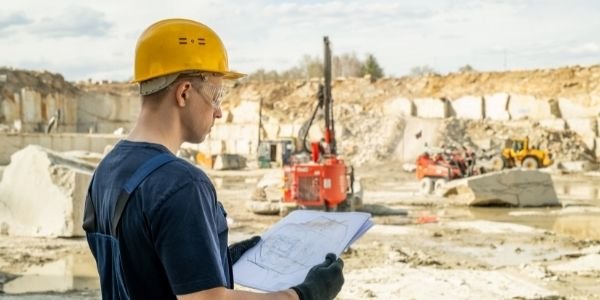
Construction equipment is a major investment, so keeping that machinery in good working condition is an important part of controlling operating costs. A well-maintained machine is less likely to experience unexpected downtime while regular inspections can help identify smaller problems before they become expensive repairs. Creating a well-planned maintenance strategy can help contractors protect their equipment and keep their projects moving.
A cost-effective strategy should include more than routine servicing. Contractors can also consider the value of product support for heavy equipment when planning how maintenance, repairs, parts, and technical assistance will be handled. Having a clear plan for both routine and unexpected needs can make it easier to manage equipment costs over time.
Table of Contents
Start With Manufacturers’ Recommendations
Each machine has different maintenance requirements. Contractors should begin by reviewing the manufacturer’s recommendations for service intervals, inspections, fluids, filters, lubrication, and other routine maintenance. Following these guidelines can help prevent avoidable problems and provide a useful foundation for a larger maintenance plan.
Keep Detailed Maintenance Records
Good recordkeeping makes it easier to understand how equipment is performing. Maintenance logs should include service dates, repairs, replaced parts, operating hours, and any recurring issues. These records can help contractors identify patterns and determine when a machine may need additional attention.
Accurate records can also help with budgeting. If a particular machine repeatedly requires the same repair, for example, the contractor can account for those expenses. They can also use those records to help them decide whether to continue repairing it or consider replacing it.
Prioritize Preventive Maintenance
Waiting until equipment breaks down can lead to higher costs. Preventive maintenance allows contractors to address wear and potential problems before they result in a major failure. Simple tasks like checking fluid levels, inspecting hoses, cleaning filters, and examining tires or tracks can help keep equipment operating reliably. Preventive maintenance also reduces the chances that a relatively small problem will interrupt an active project.
Consider Equipment Usage
Not every machine needs the same maintenance schedule. Equipment that’s used heavily or in demanding conditions may require more frequent inspections than machinery that’s only used occasionally. Contractors should consider operating hours, working environments, loads, and the types of projects each machine handles when developing maintenance schedules. This approach can help prevent both under-maintaining and unnecessarily servicing equipment.
Keep Common Parts on Hand
A maintenance strategy isn’t as efficient and cost-effective as it could be if crews have to wait several days for basic replacement parts. Keeping commonly needed filters, belts, hoses, and other items available can help reduce downtime when routine maintenance or minor repairs are needed. Still, contractors should balance convenience with inventory costs. Stocking every possible part may tie up money unnecessarily, but maintaining a reasonable supply of frequently used items can provide a better balance.
Plan for Unexpected Repairs
Even well-maintained equipment can break down. Contractors should have a plan for handling unexpected repairs, including knowing where to obtain parts, who can perform specialized work, and how replacement equipment can be arranged for if a machine is unavailable. For rented equipment, understanding the rental provider’s maintenance and support process can be particularly useful. A clear process for reporting problems and addressing equipment issues can help crews avoid unnecessary delays and expenses.
Review Costs Regularly
A maintenance strategy should change as equipment, workloads, and business needs change. Contractors can periodically review their repair expenses, downtime, service costs, and equipment use to determine whether their current approach is still practical. The goal here isn’t necessarily to spend the least amount possible on maintenance. Instead, contractors should aim to spend strategically so their equipment remains dependable without allowing maintenance expenses to become excessive.
Build Maintenance Into Your Overall Budget
Construction equipment maintenance is easier to manage when it’s treated as an expected operating expense rather than ongoing surprises. By combining manufacturer recommendations, preventive maintenance, accurate records, parts planning, and a strategy for unexpected repairs, contractors can better control costs while keeping their equipment productive. That can help extend the life of their equipment, reduce avoidable downtime, and allow contractors to better understand their costs of operation along with many other benefits.