

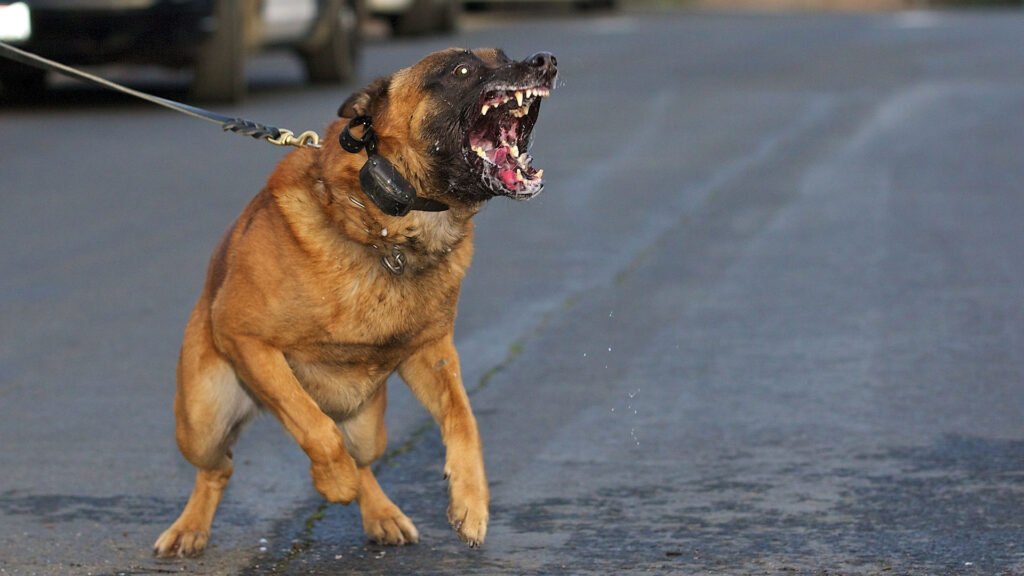
A dog attack can happen in seconds and leave a person dealing with wounds, medical bills, missed work, and lasting anxiety. For someone injured by a dog in Richmond, VA, speaking with a Richmond dog bite attorney can help clarify potential legal options and the steps involved in seeking compensation.
Richmond has busy neighborhoods, parks, sidewalks, apartment communities, and residential areas where people regularly encounter dogs. Most dogs do not attack people, but owners are responsible for taking reasonable steps to control their animals. When a dog causes a serious injury, understanding what to do next can make a difficult situation easier to manage.
Table of Contents
Dog Attacks Can Cause More Than a Temporary Wound
A dog bite may look minor at first but still cause significant damage. Teeth can tear skin and tissue, damage nerves, or cause crushing injuries. A victim may also develop an infection that requires additional treatment. Scarring can be another long-term concern, particularly when an attack affects the face, neck, hands, or other visible areas. Children may face additional challenges because they are smaller and may suffer serious injuries to the head or face during an attack.
Medical treatment should be the first concern after a bite. The CDC’s dog bite prevention guidance explains that dog bites can cause injuries and provides information about preventing dog bites and staying safe around dogs. A serious injury may require emergency treatment followed by medication, follow-up appointments, physical therapy, or other care. Keeping records of this treatment can be useful if the victim later pursues compensation.
What Should You Do After a Dog Bite in Richmond?
After a dog attack, getting away from the animal and obtaining appropriate medical care should come first. Even when a wound appears small, medical professionals can check for infection, tissue damage, and other complications.
Someone injured by a dog in Richmond should also take practical steps to document what happened:
- Get to a safe location and seek medical attention.
- Ask the dog owner for contact information and vaccination records.
- Photograph the injuries, damaged clothing, and location of the attack.
- Get contact information from anyone who witnessed the incident.
- Keep medical records, bills, prescriptions, and documentation of missed work.
- Report the bite to the appropriate local authority within the required time.
According to Richmond municipal requirements, the victim, dog owner, and treating medical provider may need to report a dog bite within 24 hours to Richmond Animal Control. Prompt reporting can create an official record of the incident and may help identify information about the dog. Victims should also keep copies of anything connected with the report.
How Virginia Law Addresses Dangerous Dogs
Virginia law has specific procedures for dogs that may be considered dangerous. Under Virginia Code § 3.2-6540, a court can determine that a dog is dangerous when evidence shows that the animal directly caused serious injury to a person, including a laceration, broken bone, or substantial puncture of the skin by teeth.
The law also provides exceptions. A dog is not automatically considered dangerous simply because of its breed. Certain circumstances involving provocation, trespassing, police dogs performing their duties, or a dog responding to pain or protecting itself, its owner, or property can affect the legal determination.
This is one reason dog attack cases should be evaluated based on the facts rather than assumptions about the animal or its breed. The circumstances surrounding the attack, the nature of the injury, and the dog’s history may all matter.
Does a Dog Owner Have to Pay for an Injury?
A dog owner may be financially responsible when the facts support a claim. Virginia cases can involve questions about negligence, the owner’s conduct, the dog’s history, and whether any circumstances contributed to the attack.
A victim’s own actions can also become relevant. Virginia law identifies situations in which a dangerous-dog finding does not apply, including certain cases involving a person who was committing a crime, willfully trespassing, or provoking or abusing the animal.
That does not mean an insurance company or dog owner gets to decide automatically that an injured person is responsible. Each incident should be examined on its own facts.
What Compensation May Be Available?
The financial impact of a dog attack can continue long after the initial emergency room visit. Depending on the circumstances, an injured person may seek compensation for losses connected to the injury.
Potential damages may include:
- Emergency treatment, follow-up care, medication, and other medical expenses.
- Lost wages or income caused by time away from work.
- Future medical treatment related to the injury.
- Physical pain, emotional distress, and trauma.
- Scarring, disfigurement, or other lasting effects.
- Certain property losses connected to the attack.
The amount of compensation depends on the specific circumstances. A victim with a minor injury may have very different damages from someone who needs surgery, extended treatment, or reconstructive care.
Virginia law also allows a court, after a dangerous-dog finding, to order restitution for actual damages to a person injured by the animal. The statute states that such an order does not prevent an injured person from pursuing other civil remedies.
Why Evidence Matters in a Dog Bite Claim
Evidence can become harder to collect as time passes. Photographs taken shortly after an attack can document the condition of the wounds before they begin to heal. Medical records can show what treatment was required and how serious the injuries were. Information about the dog may also be important. This can include vaccination records, animal control reports, previous incidents, and information about whether the animal had previously been classified as dangerous.
Witnesses can provide another important source of information. Someone who saw the dog running loose, watched the attack occur, or observed what happened immediately before the bite may be able to provide details that are difficult to establish later. Victims should preserve photographs, medical records, bills, correspondence, and other documents rather than relying on memory alone.
What If the Dog Had Attacked Someone Before?
A dog’s history can become particularly important when the animal has previously been found to be dangerous. Virginia law establishes additional requirements for owners of dogs that receive a dangerous-dog designation.
The law also provides penalties for certain subsequent attacks by dogs previously found to be dangerous. If such a dog bites a person or attacks a person and causes bodily injury, the owner can face a Class 1 misdemeanor, subject to the exceptions in the statute.
A previous incident does not automatically determine the outcome of a civil claim. However, records concerning the dog’s history may be relevant when investigating what happened and whether the owner took appropriate precautions.
Dealing With Insurance After a Dog Attack
Many dog bite claims involve an insurance company, particularly when the attack occurs at a residence covered by a homeowner’s or renter’s policy. The insurer may ask questions about the incident and request medical records, photographs, and other documentation.
Victims should provide accurate information and keep copies of communications and documents. They should also understand that an early settlement offer may not account for future medical care, continuing symptoms, lost income, or the long-term effects of scarring. A personal injury lawyer can review the circumstances, communicate with an insurer, and help determine whether a proposed settlement reasonably reflects the losses involved.
When Should You Talk to a Lawyer?
A lawyer may be particularly helpful when a dog attack causes serious injuries, permanent scarring, significant medical expenses, lost income, or a dispute about what happened. Legal guidance can also be useful when the dog’s owner denies responsibility or when an insurance company disputes the value of a claim. An attorney can investigate available evidence, identify potential sources of compensation, and explain the legal process.
Time can also matter. In Virginia, personal injury claims generally have a two-year deadline for filing a lawsuit, although the applicable deadline can vary depending on the circumstances. Waiting until a deadline is approaching may make it harder to gather evidence and investigate the incident. Getting information about legal rights sooner can give a victim more time to consider available options.
Taking the Next Step After a Richmond Dog Attack
A dog attack can affect much more than a person’s physical health. Medical treatment, missed work, visible scars, and fear around animals can all become part of the recovery process.
For Richmond, VA, residents, taking prompt action can help protect both health and legal interests. Seek medical care, report the bite as required, document the incident, preserve evidence, and keep records of expenses and treatment.
When injuries are serious or responsibility is disputed, a Richmond dog bite lawyer can help explain what legal options may be available. Understanding those options early can help an injured person make informed decisions while focusing on recovery.