

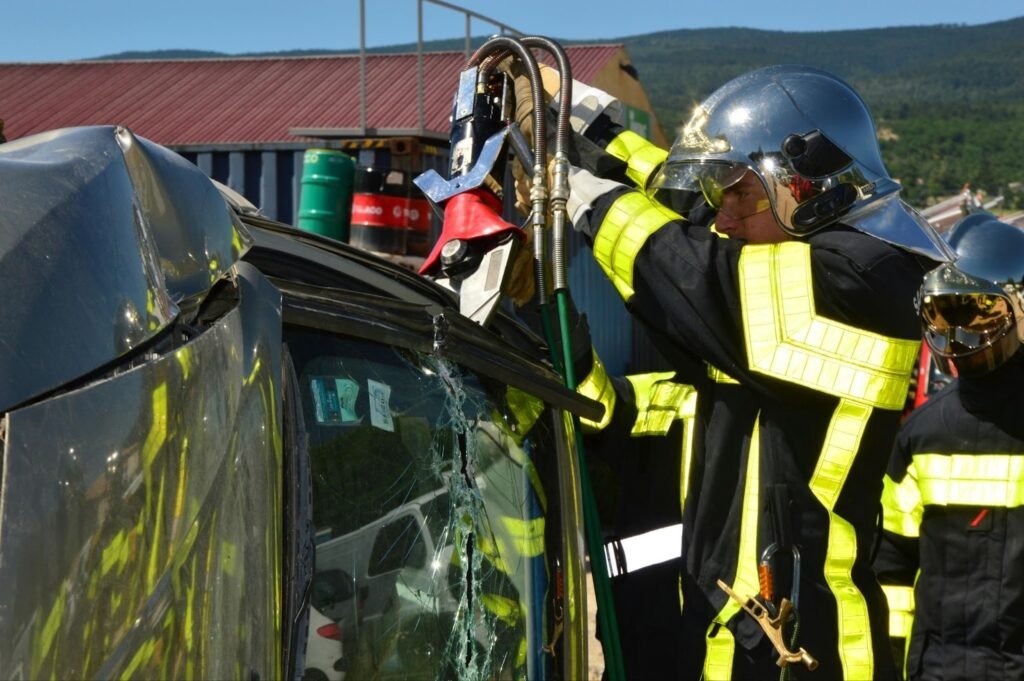
Determining fault in vehicle accidents requires a careful and methodical approach. Attorneys in Indianapolis understand the importance of gathering clear evidence and interpreting complex traffic laws. They work to piece together every detail, from witness accounts to physical damage, to build a strong case. Yet, proving fault is rarely straightforward—numerous factors can complicate responsibility. Exploring these intricacies reveals just how critical thorough investigation and legal expertise truly are.
Table of Contents
Understanding Fault in Vehicle Accidents
Although determining fault in vehicle accidents can be complex, it remains an essential step in securing fair compensation for those affected. Fault determination involves a thorough liability assessment to identify the party responsible for the collision. This process requires analyzing factors such as traffic laws, driver behavior, and the circumstances leading to the crash. Accurate fault determination guarantees that injured parties receive appropriate restitution for medical expenses, lost wages, and pain and suffering. Vehicle accident attorneys in Indianapolis play a significant role in maneuvering this intricate process, advocating for their clients with empathy and precision. Seeking guidance for car accident victims can provide additional resources and support, helping victims move forward confidently while ensuring their rights are protected.
Collecting and Preserving Evidence at the Scene
Establishing fault in a vehicle accident often hinges on the quality and availability of evidence gathered at the scene. Vehicle accident attorneys in Indianapolis emphasize the importance of immediate scene documentation to capture accurate details before they are lost or altered. This includes photographing vehicle positions, road conditions, skid marks, traffic signals, and any visible injuries. Witness statements and contact information also prove invaluable. Equally critical is evidence preservation, which involves protecting physical evidence from disturbance or destruction until authorities and legal representatives can examine it thoroughly. Prompt and meticulous collection and preservation of evidence create a reliable foundation for proving fault, helping guarantee that victims receive fair compensation. Attorneys advocate for careful attention to these steps to support a strong, fact-based case in the complex aftermath of vehicle accidents.
Analyzing Police Reports and Traffic Citations
How can a thorough examination of police reports and traffic citations influence the outcome of a vehicle accident claim? Police report analysis is vital in establishing fault, as these documents provide an official account of the incident, including officer observations, statements, and preliminary assessments. They often contain key details such as road conditions and point of impact that may not be immediately apparent. Similarly, the traffic citation significance lies in its potential to confirm violations that directly contributed to the accident, offering concrete evidence of negligence or recklessness. Vehicle accident attorneys in Indianapolis meticulously review these records to identify inconsistencies or corroborate client accounts, strengthening the case. This detailed, empathetic approach guarantees that every fact is considered, ultimately supporting a fair and just resolution for those affected by the accident.
Interviewing Witnesses and Gathering Statements
Accident attorneys in Indianapolis prioritize locating reliable witnesses whose accounts can shed light on the incident. They carefully record clear, detailed statements to guarantee accuracy and preserve critical information. Verifying the credibility of each witness is essential to build a strong, trustworthy case.
Locating Reliable Witnesses
Where can reliable witnesses be found when vehicle collisions occur in Indianapolis? Vehicle accident attorneys focus on finding local witnesses who were present at or near the scene. These individuals often include pedestrians, nearby residents, business employees, or drivers passing by at the time of the incident. Establishing witness reliability is essential; attorneys assess factors such as the witness’s vantage point, ability to recall details, and consistency in recounting events. By systematically locating local witnesses and evaluating their credibility, attorneys build a stronger case to accurately determine fault. This careful, detail-oriented approach guarantees that testimonies contribute meaningfully to understanding the accident, offering clients a fair chance at justice while respecting the emotional impact such incidents have on all involved parties.
Recording Clear Statements
Obtaining clear and accurate statements from witnesses is a critical step in constructing a compelling case for vehicle accident attorneys in Indianapolis. Attorneys employ specialized recording techniques to capture the exact words and nuances of each witness, ensuring statement accuracy. This process involves creating a calm environment that encourages detailed recollections without leading questions, allowing witnesses to share their observations freely. Meticulous note-taking and audio recordings complement one another, preserving the integrity of each account. Accurate statements provide a reliable foundation to establish fault, clarify accident circumstances, and counter opposing claims. By prioritizing clarity and precision in gathering witness testimony, attorneys strengthen their ability to advocate effectively for their clients, demonstrating an empathetic understanding of the witnesses’ perspectives while maintaining rigorous attention to detail.
Verifying Witness Credibility
How can vehicle accident attorneys in Indianapolis guarantee that witness statements are reliable and trustworthy? They focus on verifying witness credibility with careful, methodical interviewing techniques. Attorneys assess witness reliability by evaluating the consistency of their statements over time and in relation to other evidence. They pay close attention to any contradictions or alterations that may undermine trustworthiness. By cross-referencing accounts and asking detailed, open-ended questions, attorneys make certain that testimonies are clear and factual. This process not only strengthens the case but also protects clients from misleading information. Ultimately, verifying witness credibility through statement consistency is essential for building a persuasive argument that accurately reflects the accident’s circumstances and establishes fault beyond reasonable doubt.
Using Expert Witnesses to Support Claims
Expert witnesses, such as accident reconstruction specialists and medical professionals, play an essential role in clarifying complex details of vehicle accidents. Their analyses provide objective insights that can strengthen a claim by demonstrating liability and the extent of injuries. Incorporating these experts often greatly influences the outcome of legal proceedings, ensuring a fair evaluation of the case.
Types of Expert Witnesses
In vehicle accident cases, specialized knowledge can make a critical difference in establishing liability and damages. Attorneys often rely on various types of expert witnesses to provide forensic testimony and expert evaluations that clarify complex details. Accident reconstruction specialists analyze crash dynamics, while medical experts assess injury causes and long-term impacts. Mechanical engineers evaluate vehicle conditions, identifying faults or failures that contributed to the collision. Additionally, human factors experts examine driver behavior and reaction times to determine negligence. These experts present objective, scientifically grounded insights that strengthen claims, ensuring that juries and judges fully understand the technical aspects of a case. Their involvement supports a fair resolution, offering injured parties a clearer path to justice and appropriate compensation.
Role in Accident Analysis
Utilizing specialized testimony enhances the clarity and credibility of accident analysis in vehicle collision cases. Expert witnesses meticulously examine accident dynamics, reconstructing events to provide objective insights into the sequence and forces involved. Their detailed assessments illuminate how each party’s actions—or inactions—contributed to the incident, facilitating a precise responsibility assessment. By translating complex technical data into understandable terms, these experts empower attorneys to present compelling evidence. This support is crucial in establishing fault, especially when the circumstances are disputed or unclear. In Indianapolis vehicle accident cases, such expert involvement guarantees that claims rest on thorough, scientifically grounded analysis, fostering fair determinations. Ultimately, expert witnesses serve as essential contributors who bridge technical complexity and legal argumentation, advancing the pursuit of justice for affected individuals.
Impact on Legal Outcomes
The presence of expert witnesses can greatly influence the outcome of vehicle accident cases by providing authoritative support that strengthens the credibility of claims. Their specialized knowledge aids attorneys in crafting effective legal strategies and clarifying complex details related to fault determination. Expert witnesses analyze evidence, reconstruct accident scenes, and offer unbiased opinions, which can decisively impact the judge or jury’s understanding. Key contributions include:
- Validating technical data such as vehicle damage and skid marks
- Explaining medical implications of injuries to demonstrate causation
- Evaluating adherence to traffic laws and safety standards
Reviewing Surveillance and Dashcam Footage
Examining surveillance and dashcam footage plays an essential role in reconstructing the events leading up to a vehicle accident. Surveillance footage often provides an unbiased, third-party perspective, capturing critical moments from nearby businesses or traffic cameras. Dashcam analysis offers a firsthand view from the driver’s vantage point, revealing speed, signaling, and road conditions. Together, these visual records help attorneys piece together an accurate timeline and context, clarifying conflicting witness statements and reducing uncertainties. By meticulously reviewing this footage, attorneys can identify key factors such as right-of-way violations or distracted driving, strengthening their case for fault determination. This evidence not only supports legal arguments but also brings reassurance to clients seeking truth and justice amid the trauma of an accident.
Investigating Vehicle Damage and Accident Reconstruction
Investigating vehicle damage and reconstructing the accident sequence are critical steps in understanding the true nature of a collision. Careful assessment of impact severity and detailed analysis of vehicle deformation provide essential insights into how the accident unfolded. These methods enable attorneys to build a compelling case that accurately reflects the events and supports their clients’ claims.
Assessing Impact Severity
Accident reconstruction serves as a critical tool in determining the severity of a vehicle collision by meticulously analyzing damage patterns and impact forces. Through precise impact assessment, attorneys gain insight into the crash dynamics, helping to clarify the extent of harm and liability. Severity analysis involves:
- Examining the distribution and concentration of damage on each vehicle
- Evaluating the force of impact in relation to vehicle speed and angle
- Correlating physical evidence with reported injuries and witness statements
This detailed approach allows legal professionals to present a compelling case grounded in factual evidence. Understanding impact severity not only aids in fair compensation but also supports accountability, ensuring that those affected receive justice based on the true nature of the collision.
Analyzing Vehicle Deformation
Numerous factors contribute to the deformation patterns observed in vehicle collisions, each offering valuable clues about the nature and severity of the impact. By carefully examining these deformation patterns, vehicle accident attorneys in Indianapolis can gain critical insights into how forces were distributed during the crash. Impact analysis focuses on identifying the areas of greatest damage, the direction and magnitude of forces involved, and the resulting structural compromises. This detailed investigation helps establish the dynamics of the collision, supporting a clearer understanding of fault. Understanding vehicle deformation not only reveals the severity of the accident but also corroborates witness accounts and physical evidence, strengthening the case. Through meticulous analysis, attorneys can build compelling arguments grounded in objective, scientifically supported data that clarify liability.
Reconstructing Collision Sequence
Reconstructing the sequence of a collision requires a meticulous examination of vehicle damage and surrounding evidence to piece together the events leading up to impact. Skilled attorneys rely on advanced collision analysis techniques to interpret deformation patterns and skid marks, revealing the dynamics of the crash. Accident simulation methods further enhance understanding by replicating the collision under controlled conditions, validating hypotheses about vehicle speed, angle, and point of contact. This all-encompassing approach guarantees a precise portrayal of fault, vital for fair legal outcomes. Key elements considered include:
- Detailed inspection of impact zones to determine force direction and magnitude
- Analysis of debris distribution and final resting positions of vehicles
- Utilization of computer-generated simulations to confirm the sequence of events
Such thorough reconstruction fosters empathy for victims while strengthening the case for rightful compensation.
Assessing Medical Records and Injury Reports
Careful evaluation of medical records and injury reports serves as a critical foundation in building a strong vehicle accident case. Vehicle accident attorneys in Indianapolis meticulously conduct medical record evaluation to verify the extent and causation of injuries sustained. This detailed injury report analysis helps establish a clear connection between the accident and the claimant’s physical harm. By scrutinizing timelines, treatment details, and diagnostic findings, attorneys can identify inconsistencies or corroborate the severity of injuries. Such thorough examination not only supports claims for appropriate compensation but also strengthens arguments concerning fault and liability. Understanding the nuances within these documents allows legal professionals to advocate effectively, ensuring that victims receive fair consideration based on objective medical evidence rather than solely on anecdotal accounts.
Navigating Comparative Fault and Shared Liability
Understanding the complexities of comparative fault and shared liability is essential in vehicle accident cases, as these principles directly influence the distribution of responsibility and compensation. Comparative negligence allows fault to be divided among parties, meaning each person’s liability percentages will affect the claim’s outcome. Attorneys meticulously evaluate evidence to establish the degree of fault each party holds, ensuring fair compensation.
Key considerations include: – Determining liability percentages based on driver actions and external factors – Analyzing how shared liability impacts damage awards and settlements – Applying state-specific comparative negligence laws to protect clients’ rights
Negotiating With Insurance Companies and Defendants
Although negotiating with insurance companies and defendants can be an intimidating process, skilled vehicle accident attorneys in Indianapolis work diligently to advocate for their clients’ best interests. These attorneys understand common insurance tactics designed to minimize payouts and counteract claims. Through meticulous preparation and a thorough understanding of the case’s facts, they engage in settlement negotiations that aim to secure fair compensation. By anticipating defense strategies and methodically presenting evidence, they strengthen their clients’ positions. Their expertise guarantees negotiations move beyond initial low offers often presented by insurers, encouraging equitable resolutions without unnecessary litigation. Ultimately, these attorneys balance assertive advocacy with strategic communication, maneuvering complex insurance tactics to protect clients from unjust settlements and achieve outcomes reflective of the true extent of damages incurred.
Frequently Asked Questions
How Long Do I Have to File a Vehicle Accident Claim in Indianapolis?
In Indianapolis, the statute of limitations for filing a vehicle accident claim typically spans two years from the accident date. Understanding this deadline is vital to guarantee the claim process proceeds smoothly and rights remain protected.
Can I Still Claim Damages if I Was Partially at Fault?
Yes, individuals can pursue damage claims even with partial fault in Indianapolis. Indiana’s comparative fault law allows recovery reduced by their fault percentage, ensuring fair compensation while acknowledging shared responsibility in vehicle accident scenarios.
What if the Other Driver Doesn’T Have Insurance?
If the other driver lacks insurance, victims can explore legal options such as claiming through their uninsured motorist coverage or pursuing personal injury lawsuits, ensuring protection despite the at-fault party’s lack of coverage.
How Are Pain and Suffering Damages Calculated in Indiana?
Pain and suffering damages in Indiana are calculated through a thorough pain assessment, considering compensation factors such as injury severity, emotional distress, and impact on daily life, ensuring fair and empathetic recognition of the victim’s experience.
Do I Need to Go to Court to Settle My Accident Case?
Typically, court appearances are not necessary, as most accident cases resolve through settlement negotiations. However, if negotiations fail, attending court becomes essential to advocate effectively for the client’s rights and fair compensation.