

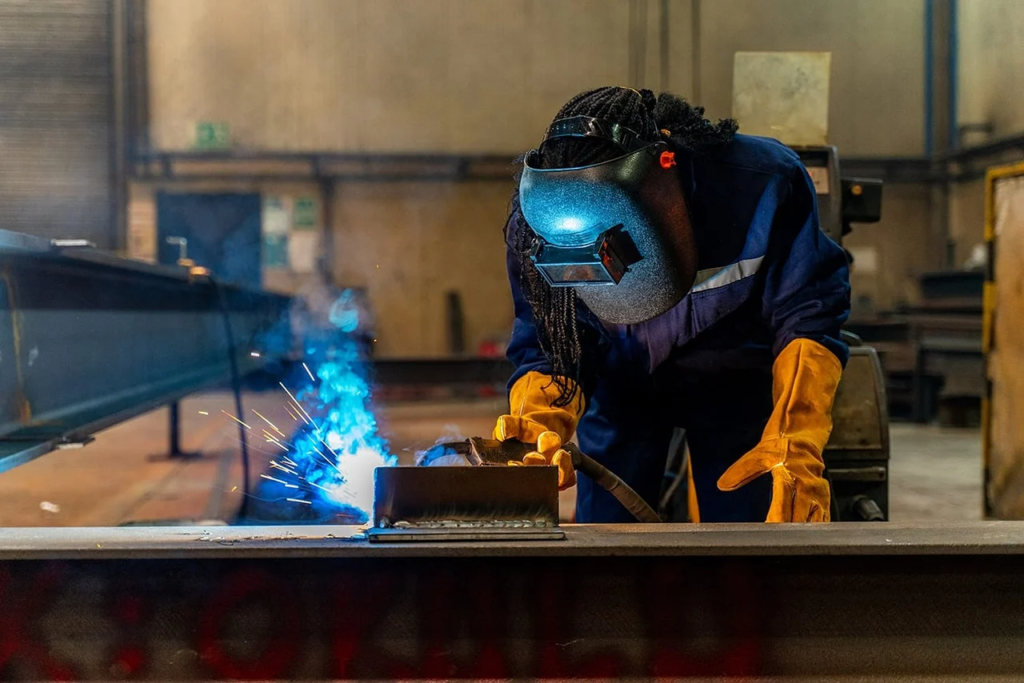
Workplace safety gear failure is a scary thought. What happens when the equipment workers rely on to keep them safe doesn’t work like it should?
Safety equipment keeps employees safe from life-altering injuries. When that equipment is defective, broken, improperly used, or poorly maintained… disaster strikes.
It’s bad for the worker who gets hurt. But it can also lead to serious legal consequences for employers.
OSHA reported 5,283 fatal work injuries in the United States in 2023. Many of those fatalities could have been prevented if safety equipment was used or functioned properly.
Table of Contents
Why Workplace Safety Gear Failure Matters More Than You Think
Safety gear keeps workers safe. Hard hats, fall protection harnesses, gloves, respirators, protective eyewear… These items are meant to keep employees safe while on the job.
When safety gear works properly, it saves lives.
When it doesn’t… well…
People get hurt.
Workers can suffer seriously injurious accidents if their safety gear fails. That means trauma injuries, spinal cord damage, paralysis, loss of limbs… you get the idea.
According to the 2025 Liberty Mutual Workplace Safety Index, workplace injuries cost employers across the U.S. nearly $58.78 billion a year. And that’s just for injuries that caused workers to miss more than five days of work.
Safety gear keeps workers safe from costly injuries that lead to claims, litigation, and fines.
But when that gear fails… employees can get hurt badly – and employers open themselves up to serious legal trouble.
Let’s say an employer provides their workers with a fall protection harness to use while working at heights.
The employee puts that harness on, trusting that it will keep them safe. But it snaps due to improper wear or because it was never inspected.
Not only does that worker suffer a tragic fall. A defective safety equipment injury in California like this can lead to a product liability lawsuit that costs an employer everything.
What Happens When Safety Equipment Fails at Work
Safety gear failing at work can start a chain reaction of events.
Here’s what goes down when equipment shouldn’t have failed but did:
- An employee suffers an injury: The equipment was meant to protect that employee. When it fails, they suffer an injury that could have been prevented. That injury can range from broken bones to wrongful death.
- An investigation is launched: OSHA will most likely be investigating the incident. If violations are found, an employer could be cited for anything from failure to inspect safety equipment to wrongful death.
- Legal action is taken: The injured employee (or family member) can file a product liability claim against the manufacturer, employer, or both.
Safety equipment failure lawsuits happen more than you think.
Every day, employees get hurt at work by equipment that was meant to keep them safe.
Legal Consequences Employers Face When Gear Fails
Alright, let’s get into the serious stuff.
When safety gear fails at work, a business can open themselves up to some serious legal consequences.
OSHA Fines
If OSHA finds safety violations during their investigation, they can assess fines against an employer. Serious violations can cost up to $16,131 per violation.
Willful or repeat violations? $161,323 per violation.
That adds up quickly when OSHA writes up multiple violations from a single incident.
Product Liability Lawsuits
Product liability lawsuits are every employer’s worst nightmare when it comes to safety gear failure.
These lawsuits can be filed against the safety equipment manufacturer, the distributor, and yes… the employer who supplied the equipment.
There are three types of product liability claims:
- Design defects – The piece of equipment was unsafe due to the way it was designed.
- Manufacturing defects – Something went wrong when the equipment was being manufactured that made it unsafe.
- Failure to warn – The manufacturer didn’t properly instruct how to use the product or warn of the safety risks.
The injured employee (or family member) can sue for monetary damages. That includes current and future medical bills, lost wages, pain and suffering, and in some cases… punitive damages.
Criminal Charges
In some cases, employers could even face criminal charges.
If OSHA can prove that there was a willful violation of safety standards that led to a worker’s death, an employer could face $10,000 in fines and six months in jail.
State prosecutors can pursue manslaughter charges as well.
Who Gets Sued in a Product Liability Lawsuit?
Most employers think that if safety gear fails, they’ll be the only ones getting sued.
That’s not the case…
Product liability lawsuits can hold multiple parties liable for injuries caused by defective safety gear.
These parties can include:
- The manufacturer of the equipment
- The distributor who supplied the equipment
- The employer who provided the equipment
- Third-party contractors who may have supplied or used the equipment on the job site
Pretty much anyone who had a hand in getting that defective safety equipment to the workplace can be named in a lawsuit.
How To Protect Your Business From Liability
No business wants to be on the defense in a product liability lawsuit.
Thankfully, there are things employers can do to protect their company from legal action if safety gear fails.
Here are some steps to take:
- Inspect all safety gear regularly: Establish a routine schedule for safety gear inspections. Keep detailed records of every inspection.
- Keep detailed equipment records: Track every piece of safety equipment from the moment it’s purchased until it’s retired. Having a paper trail for everything goes a long way if the matter ends up in court.
- Watch for safety recalls: Remove any recalled safety equipment from use immediately.
- Train your employees: Educate workers on how to properly use their safety gear. Instruct them to report defects or damages.
- Partner with reputable suppliers: Purchase safety equipment from manufacturers with a proven track record. Suppliers with a history of providing safe, reliable equipment.
Taking these steps won’t completely prevent a business from getting sued. But they show a court that the employer did everything in their power to prevent injury.
Wrapping Things Up: Safety Gear Failure Liability
Defective safety gear failure at work is a disaster. Employees suffer serious injuries that could have been prevented.
Businesses are faced with expensive fines and lawsuits. Manufacturers are forced to defend their products in court.
For employers, there’s a lot at stake when safety gear fails.
Remember:
- Safety equipment should be inspected and maintained regularly
- Product liability lawsuits can be filed against the employer, manufacturer, and distributor
- OSHA fines can cost six figures for every safety violation found
- There are steps employers can take to protect the business from liability
Workplace safety isn’t just about checking the box on OSHA regulations.
It’s about doing everything possible to protect the employees who trust that they can show up to work every day and come home safely to their families.
When safety gear fails, that promise is broken.
Workers get hurt.
Businesses get sued.
Don’t let safety gear failure put a business at risk.