

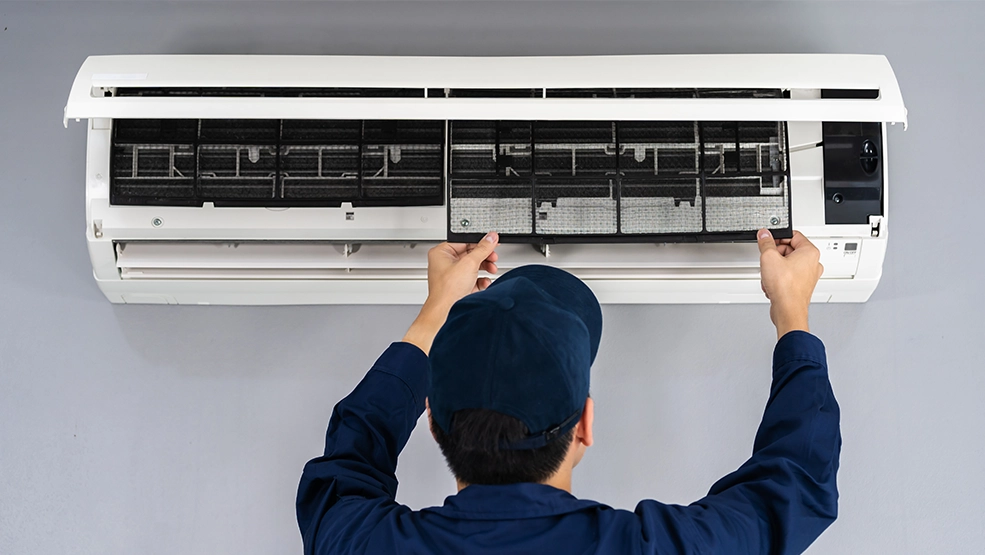
When your air conditioner starts making unusual noises, struggles to cool your home, or breaks down repeatedly, one question naturally comes to mind: should you repair it or replace it altogether? While repairing an existing system can be the most affordable solution in many cases, there comes a point when investing in a new unit makes more financial and practical sense. If you’re considering air conditioning repair services Vidalia, understanding the factors that influence this decision can help you make a smart investment for your home.
The right choice depends on several variables, including your unit’s age, repair history, energy efficiency, and the overall cost of ownership. Rather than making a rushed decision after an unexpected breakdown, it’s helpful to evaluate your options carefully.
Table of Contents
Consider the Age of Your Air Conditioner
The age of your system is one of the biggest indicators of whether repair or replacement is the better option.
Most central air conditioning systems have an average lifespan of 10 to 15 years with proper maintenance. If your unit is relatively new and has only experienced minor issues, repairing it is often the most cost-effective solution. Replacing a system that still has several productive years left rarely provides immediate value.
However, if your air conditioner is approaching or exceeding its expected lifespan, repeated repairs may simply delay the inevitable. Older systems also tend to lose efficiency over time, leading to higher energy bills even when they appear to be functioning normally.
Evaluate Repair Costs
Not every repair justifies replacing the entire system. A faulty capacitor, clogged drain line, or worn contactor can often be repaired quickly and affordably.
A useful guideline many homeowners follow is the “50 percent rule.” If the cost of repairs approaches half the value of a new air conditioning system, replacement is often the wiser financial decision.
Additionally, consider how often repairs have been needed recently. Multiple service calls within a short period usually indicate that other components may soon fail as well, resulting in mounting repair expenses.
Pay Attention to Your Energy Bills
A sudden increase in cooling costs often points to declining system efficiency.
Older air conditioners typically consume more electricity than modern high-efficiency models. Even if the unit is still operational, it may be working much harder to achieve the same indoor comfort.
If your monthly utility bills continue to climb despite normal usage, replacing your aging system with an energy-efficient model may significantly reduce long-term operating costs.
Modern units feature advanced compressors, improved refrigerant technology, and smarter controls that help reduce energy consumption while maintaining consistent comfort.
Think About Comfort Throughout Your Home
An air conditioner should cool your home evenly without constant adjustments to the thermostat.
If you notice:
- Hot and cold spots throughout the house
- Weak airflow from vents
- High indoor humidity
- Long cooling cycles
- Frequent temperature fluctuations
the issue could be more than a simple repair.
Sometimes these problems result from ductwork issues or thermostat malfunctions. In other situations, they indicate that the air conditioner is no longer capable of meeting your home’s cooling demands.
A professional inspection can help determine whether repairs will restore performance or if replacement is the better solution.
Consider Refrigerant Type
Many older air conditioning systems use R-22 refrigerant, which has been phased out due to environmental regulations.
As supplies become increasingly limited, repairs involving R-22 systems have become considerably more expensive. Even a relatively small refrigerant leak may result in significant repair costs because the refrigerant itself is difficult to obtain.
If your aging system still depends on R-22, replacing it with a newer model using environmentally friendly refrigerant may provide greater long-term value.
Reliability Matters
Few things are more frustrating than losing air conditioning during the hottest days of summer.
If your system has become unpredictable, requiring emergency repairs every season, reliability should become a major consideration.
While repairing isolated issues may temporarily restore operation, recurring breakdowns often create inconvenience, stress, and unexpected expenses.
A newer system provides greater peace of mind by offering more dependable performance, manufacturer warranties, and fewer unexpected service interruptions.
Compare Long-Term Costs
It’s easy to focus only on the immediate price of repairs. However, looking at the bigger financial picture often leads to a better decision.
Ask yourself:
- How much have repairs cost over the past few years?
- How much are your monthly energy bills?
- Will additional repairs likely be needed soon?
- How long can your current system realistically last?
If ongoing maintenance, increasing utility bills, and declining performance continue to add up, replacing the unit may ultimately cost less over the next decade than continually repairing an aging system.
Environmental Benefits of Replacement
New air conditioning systems are designed with greater environmental responsibility in mind.
Modern equipment uses less electricity, produces fewer greenhouse gas emissions, and operates with refrigerants that have a lower environmental impact than older systems.
Choosing an energy-efficient replacement not only benefits your household budget but also reduces your home’s overall carbon footprint.
For homeowners interested in improving sustainability, upgrading an outdated HVAC system is one of the most effective home improvements available.
When Repair Is Usually the Better Choice
Repairing your air conditioner generally makes sense when:
- The system is under 10 years old.
- Repairs are relatively inexpensive.
- The unit has been properly maintained.
- Performance remains consistent.
- Energy bills have remained stable.
In these situations, replacing the system prematurely may not provide enough financial benefit.
When Replacement Makes More Sense
Replacing your air conditioner is often the better option if:
- The unit is over 15 years old.
- Repairs are becoming increasingly frequent.
- Major components have failed.
- Cooling performance continues to decline.
- Utility costs have steadily increased.
- The system uses outdated refrigerant.
Although replacement requires a larger upfront investment, it often results in lower operating costs, improved comfort, and fewer unexpected repair bills over time.
Final Thoughts
Deciding whether to repair or replace your air conditioner isn’t always straightforward, but taking the time to assess your system’s condition can save both money and frustration in the long run. Consider factors such as age, repair frequency, energy efficiency, reliability, and future operating costs before making your decision.
When in doubt, scheduling a professional inspection is the best way to understand the true condition of your HVAC system. An experienced technician can help you weigh the costs and benefits of each option, ensuring you choose the solution that best fits your home’s needs, your budget, and your long-term comfort goals.