

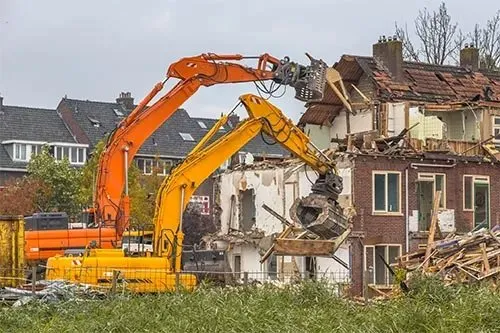
Renovating a property often requires careful planning, particularly when deciding what should remain and what must be removed. Selective demolition provides a solution that balances the need for structural renewal with the preservation of key elements. We will explore how this process can protect valuable materials, minimize waste, and reduce renovation costs. Unlike total demolition, selective demolition focuses on dismantling only the parts of a building that require replacement or upgrading while leaving the surrounding structure intact.
This approach is particularly valuable in older buildings, where architectural details, fixtures, or historically significant components hold intrinsic value. By targeting specific areas, property owners can achieve their renovation goals without unnecessarily discarding materials that can still serve a purpose. Engaging reliable demolition services in Boston MA ensures the careful execution of selective demolition, which requires detailed planning, knowledge of building systems, and attention to safety to avoid damage to preserved sections.
Advantages of Selective Demolition
- Material Preservation and Reuse
Selective demolition allows materials to be salvaged, reducing the demand for new construction supplies and lowering environmental impact. Items such as hardwood flooring, doors, cabinetry, and fixtures can often be removed intact and repurposed in the same project or sold for reuse elsewhere. By carefully extracting these materials, the project preserves the property’s character while promoting sustainability. Salvaging materials also provides a cost advantage by reducing the need to purchase replacements.
Additionally, this practice supports eco-conscious building initiatives by minimizing the amount of construction debris sent to landfills. In commercial projects, reusing components can create a unique aesthetic by blending original and new elements seamlessly. Preservation also extends to structural components, such as load-bearing walls or beams, which can be retained to maintain integrity and stability while new elements are introduced.
- Reduced Project Costs and Waste
By removing only necessary portions of a structure, selective demolition reduces disposal costs and labor requirements. Less debris means fewer trips to waste management facilities, which can significantly lower project expenses, especially for large-scale renovations. This approach minimizes disruption to the surrounding area and avoids unnecessary damage to intact walls, ceilings, and flooring. In urban settings, reducing debris and waste is especially important for meeting municipal regulations and maintaining neighborhood relations. Project efficiency improves because contractors can focus on targeted areas without having to demolish entire structures. Moreover, careful removal reduces the risk of structural damage, lowering the likelihood of costly repairs or delays during renovation. Overall, selective demolition creates a more predictable and manageable project timeline while conserving resources.
- Protection of Historical and Architectural Features
Historic or architecturally significant properties benefit greatly from selective demolition. Original elements, such as decorative moldings, columns, staircases, and brickwork, can be carefully preserved while updating necessary infrastructure. Protecting these features maintains the property’s heritage and ensures its value remains intact. This approach is especially relevant in renovation projects where maintaining authenticity is important for cultural, aesthetic, or regulatory reasons. By selectively removing only what is necessary, property owners can integrate modern improvements without sacrificing character.
Preservation may also include structural elements that contribute to a building’s original design, ensuring that renovations enhance functionality while respecting historical integrity. Contractors trained in selective demolition understand how to assess which components can be safely preserved and which require careful removal, ensuring the final result harmoniously balances old and new elements.
- Improved Safety and Site Management
Selective demolition emphasizes safety for workers and occupants. By focusing on specific areas rather than complete destruction, risks associated with falling debris, structural instability, or accidental damage to utilities are reduced. Contractors can implement dust containment, controlled dismantling techniques, and careful handling of hazardous materials, such as asbestos or lead paint, in confined sections of a building. Enhanced safety measures not only protect workers but also prevent damage to parts of the property that are meant to remain intact.
This approach allows other construction activities to continue simultaneously, improving overall site efficiency. Well-managed selective demolition creates a safer environment for everyone involved, including residents or employees who remain on-site during renovation. It also makes it easier to coordinate inspections, permits, and compliance with building codes, ensuring the project progresses smoothly and remains within legal requirements.
- Flexibility in Renovation Design
Selective demolition gives property owners the flexibility to adapt their renovation plan as the project progresses. By removing only the components that require updating, owners can reconsider design decisions without committing to full-scale demolition. This incremental approach allows for better budget management, the integration of new ideas, and adjustments based on material availability or unforeseen structural findings. Retaining parts of the original building may also influence interior layouts or exterior appearances, offering creative opportunities to blend modern updates with classic architecture.
The flexibility extends to scheduling as well; selective demolition can be phased in alignment with other construction tasks, minimizing delays and allowing multiple teams to work concurrently. This method ensures that renovation goals are achieved while maintaining control over costs, timeline, and the quality of preserved features.
Selective demolition is a practical and thoughtful approach to renovation that prioritizes preserving valuable materials, reduces waste, and enhances safety on construction sites. By targeting only the elements that require removal or replacement, property owners can save costs, maintain historical and architectural integrity, and create a controlled environment for renovation. This method provides flexibility in design and scheduling, allowing renovations to adapt to evolving needs while minimizing disruption. By choosing selective demolition, individuals and businesses can achieve sustainable, efficient, and aesthetically balanced outcomes, ensuring that what truly matters is preserved while outdated or damaged components are carefully removed and replaced.