

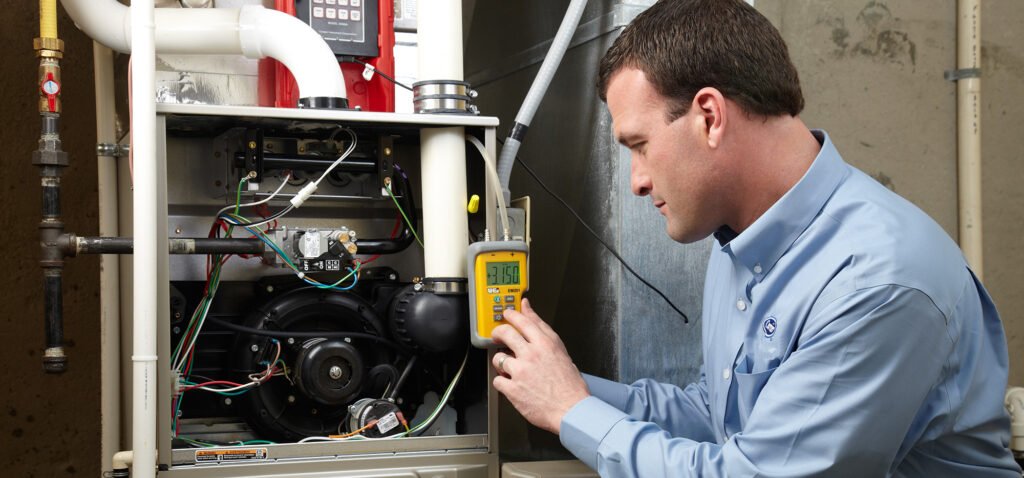
Maintaining a furnace is more than just keeping your home warm during colder months—it is a key factor in controlling heating costs and ensuring energy efficiency. Many homeowners underestimate the impact of routine furnace service on their monthly bills. A well-maintained furnace operates more efficiently, consumes less energy, and reduces the risk of unexpected breakdowns that can lead to costly emergency repairs. By investing time in regular inspections and maintenance, homeowners not only extend the life of their heating system but also create a more comfortable and consistent indoor environment. We will explore how regular furnace service can significantly reduce heating expenses while enhancing overall system performance.
Why Regular Furnace Service Matters for Your Heating Bills
- Improved Energy Efficiency
A furnace that receives consistent maintenance performs at optimal levels, consuming less energy to heat a home. During routine service or furnace repair service, technicians clean vital components such as burners, heat exchangers, and air filters. These elements often accumulate dust and debris over time, which can block airflow and force the furnace to work harder than necessary. When a system works harder, it consumes more fuel or electricity, directly increasing energy costs. Regular inspections ensure that all components function correctly, maintaining consistent heat output without unnecessary strain. Even small improvements in efficiency can lead to noticeable savings on monthly heating bills, particularly during prolonged cold periods.
- Early Detection of Problems
Routine service allows technicians to identify minor issues before they escalate into major malfunctions. Components such as thermostats, belts, or pilot lights may gradually fail, leading to uneven heating or higher energy consumption. Without timely attention, these problems can require extensive repairs or even complete system replacement, both of which are far more expensive than regular maintenance. By detecting potential failures early, homeowners can avoid inefficient operation that wastes energy and elevates heating bills. This proactive approach ensures that the furnace operates smoothly and reliably, providing consistent warmth without unexpected cost spikes.
- Optimized Airflow
Blocked or restricted airflow is a common cause of high heating bills. During furnace service, air ducts are inspected and cleaned, and filters are replaced or upgraded. Poor airflow forces the furnace to run longer cycles to reach the desired temperature, consuming more energy. Ensuring clear, unobstructed air movement allows the system to distribute heat evenly throughout the home, reducing the total runtime required to maintain comfort. With optimized airflow, energy use drops, resulting in lower heating bills without compromising indoor temperature or comfort.
- Enhanced System Longevity
A well-maintained furnace lasts longer and operates more efficiently over time. Regular servicing reduces wear and tear on key components, helping maintain peak performance and reducing energy waste. Older, neglected furnaces often struggle to provide consistent heat, resulting in extended operational periods and higher fuel consumption. By keeping the system in good condition through routine checks, homeowners benefit from steady heating and lower energy bills while postponing the costs of replacing the unit. Maintaining the furnace ensures that it delivers reliable warmth with minimal energy expense throughout its lifespan.
- Consistent Heat Delivery
An irregularly maintained furnace may cycle on and off frequently or provide uneven heating in different areas of the home. Such inconsistency forces the system to compensate, consuming more energy and driving up heating costs. Regular service addresses calibration issues and ensures that thermostats, burners, and sensors function correctly. With consistent heat delivery, the furnace does not need to overcompensate, keeping energy use steady and predictable. Homeowners experience improved comfort without the added expense of wasted energy, which directly lowers monthly heating bills.
- Reduced Risk of Emergency Repairs
Unexpected furnace breakdowns during peak heating seasons can be costly, both in emergency repair fees and in higher energy consumption if a temporary fix operates inefficiently. Routine service reduces the likelihood of such emergencies by ensuring that all parts are in good working order. When a system is reliable, homeowners avoid inefficient heating methods or auxiliary heating devices that consume additional energy. This preventive approach not only safeguards against unexpected expenses but also maintains a consistent, cost-effective heating routine throughout the colder months.
- Maintaining Manufacturer’s Performance Standards
Regular furnace service helps the system operate according to the manufacturer’s design specifications. Many units are calibrated to deliver maximum efficiency when all components are clean and functioning correctly. Over time, neglect can cause the system to deviate from these standards, reducing efficiency and increasing energy costs. Routine maintenance ensures the furnace maintains its intended performance levels, keeping energy use predictable and reducing unnecessary expenditures. This alignment with manufacturer guidelines ensures homeowners achieve the efficiency levels they were promised when the system was installed.
- Healthier Indoor Environment
While not always directly linked to heating bills, maintaining a clean furnace improves indoor air quality, which can indirectly reduce costs associated with allergies or illness. Clogged filters and dust accumulation can force the furnace to work harder to push air through the home, increasing energy consumption. Routine service prevents these blockages, allowing the system to heat efficiently while supporting a healthier living environment. Reduced strain on the furnace leads to lower energy usage and stable heating costs, creating both financial and health benefits for occupants.
Maintaining a furnace through regular service significantly lowers heating bills. From improving energy efficiency and airflow to preventing costly repairs and ensuring consistent heat delivery, each aspect of routine maintenance contributes to reduced energy consumption and more predictable heating costs. Homeowners who invest in scheduled furnace service benefit from a reliable, long-lasting system that delivers warmth efficiently while minimizing waste. Regular attention to the furnace not only preserves home comfort but also protects the household budget, making it a practical and financially responsible approach to winter heating. By committing to routine maintenance, families can enjoy lower energy expenses, improved comfort, and peace of mind throughout the colder months.