
Table of Contents
Understanding the Fundamentals: HVAC Maintenance vs. Repair

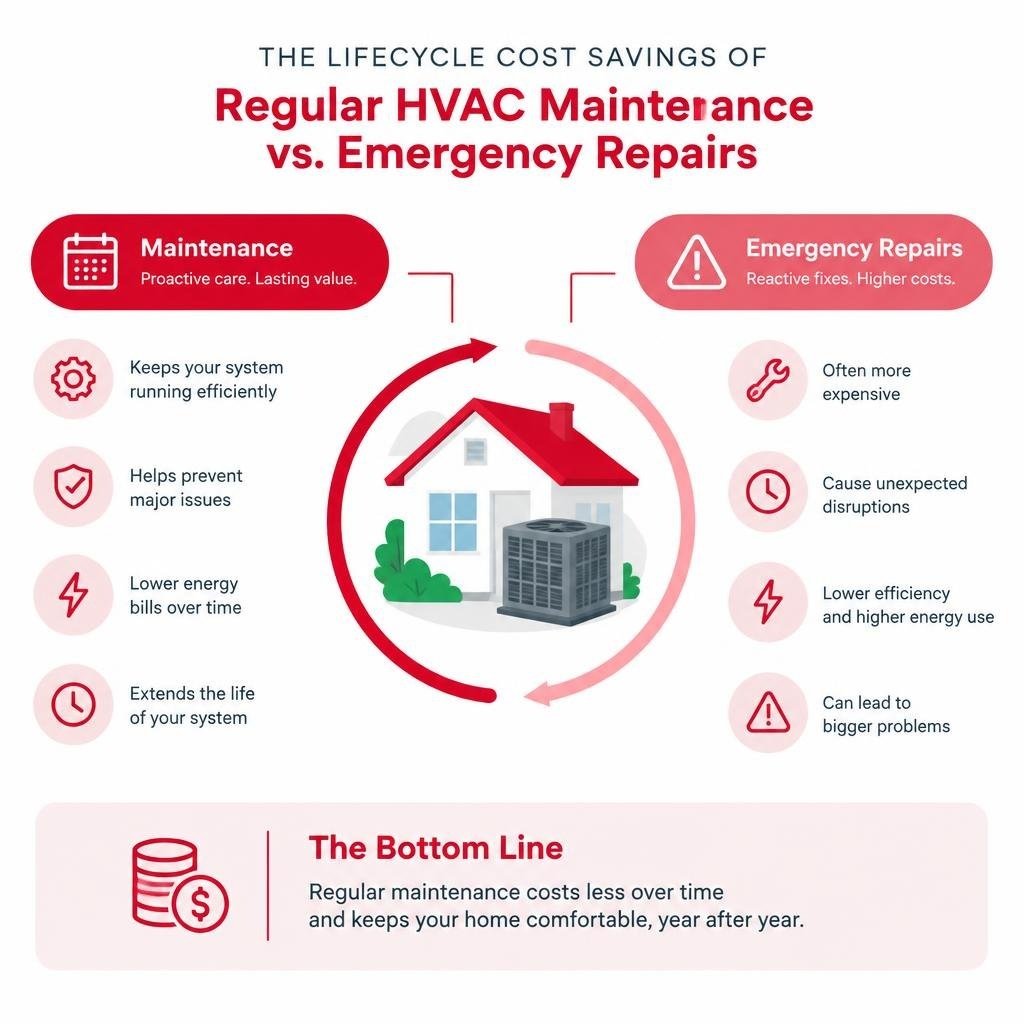
It is common for homeowners to use the terms “maintenance” and “repair” interchangeably, but they represent two distinct approaches to system management. Understanding the difference is the first step toward better home comfort.
Maintenance is proactive. It is the scheduled, routine care performed on your system to keep it operating at peak efficiency. Think of it as a wellness check for your HVAC unit. Its primary objective is to prevent problems before they start, ensuring that airflow is unobstructed, electrical connections are secure, and moving parts are properly lubricated.
Repair, conversely, is reactive. It is the corrective action taken when something has already gone wrong. If your air conditioner stops blowing cold air or your furnace refuses to ignite, you are in the realm of repair. While maintenance aims to extend the life of your equipment, repair focuses on restoring functionality after a failure or a significant performance drop.

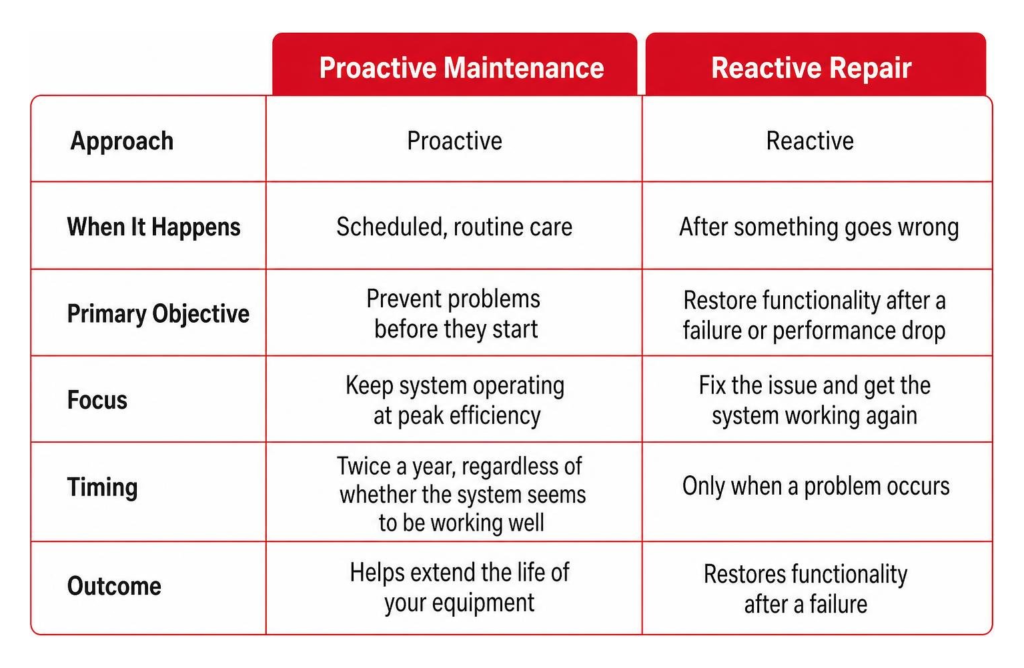
Key Differences Between Routine HVAC Maintenance and Repair Services
The primary difference lies in timing and intent. Routine maintenance is performed on a schedule—typically twice a year—regardless of whether the system seems to be working well. It follows strict industry standards, such as those set by the Air Conditioning Contractors of America (ACCA), to ensure that your system meets its design specifications. When you invest in residential HVAC services, you are paying for the expertise to identify minor wear and tear, such as a belt that is beginning to fray or a capacitor that is losing its charge, before it causes a total system shutdown.
The Four Primary Categories of HVAC Upkeep
To manage your system effectively, it helps to view upkeep through four distinct lenses:
- Preventative Maintenance: Routine tasks like filter changes and coil cleaning that stop degradation.
- Corrective Servicing: Addressing minor anomalies found during an inspection to prevent future failure.
- Seasonal Tune-ups: Preparing the system for the specific demands of summer cooling or winter heating.
- Comprehensive Annual Inspections: A deep-dive diagnostic where a professional tests electrical calibration, refrigerant levels, and safety controls.
Recognizing Common Issues and Signs Your System Needs Attention
Your HVAC system often provides subtle warnings before a major component fails. Ignoring these signs usually leads to more expensive, complex fixes later on.

Critical Symptoms Requiring Prompt Diagnosis
If you notice any of the following, it is time to call for help:
- Weak Airflow: If you feel very little air coming from your vents, it could indicate a clogged filter, a blocked duct, or a failing blower motor.
- Strange Noises: Buzzing, rattling, or squealing sounds are rarely normal. They often point to loose parts, failing bearings, or electrical issues.
- Foul Odors: A burning smell can indicate electrical shorts or dust burning on the heat exchanger, while musty smells often point to mold growth in the condensate drain.
- Short Cycling: If your system turns on and off frequently, it is working much harder than it should, which accelerates wear and drives up energy costs.
Most Common Component Failures in Residential Systems
Many of the most frequent service calls relate to preventable issues. Dirty air filters are the number one culprit, as they force the blower motor to strain against restricted airflow. Similarly, a clogged condensate drain can lead to water backup, potentially damaging your home’s interior. When you require professional heating and cooling repair, technicians often find that these small, neglected issues have cascaded into larger mechanical problems.
The Cost and Timeline Breakdown of HVAC Maintenance and Repair
Every homeowner wants to know what to expect when a technician arrives. While costs fluctuate based on your location and the complexity of your system, there are industry averages that can help you budget.
| Equipment Type | Typical Repair Cost Range | Estimated Repair Time |
| Air Conditioner | $150 – $600 | 1 – 3 Hours |
| Furnace | $200 – $800 | 1 – 4 Hours |
| Heat Pump | $250 – $900 | 2 – 4 Hours |
| Boiler | $300 – $1,200 | 2 – 5 Hours |
| Air Handler | $200 – $800 | 1 – 3 Hours |
When to Repair vs. Replace: The 50% Rule and System Age
Deciding when to walk away from an old unit is a common dilemma. A helpful framework is the “50% Rule.” If the cost of a necessary repair is equal to or greater than 50% of the cost of a brand-new system, replacement is generally the smarter financial move. You should also consider the age of your unit; most systems reach the end of their reliable service life around the 10-year mark. If your unit is over a decade old and requires frequent, expensive repairs, the money you spend on maintenance and fixes might be better invested in a new, high-efficiency system that will lower your monthly utility bills.
Essential Professional Inspections and Homeowner Care Strategies
Maintaining your HVAC system is a partnership between you and your service provider. While you handle the basic, day-to-day care, a professional technician handles the technical, safety-critical tasks.

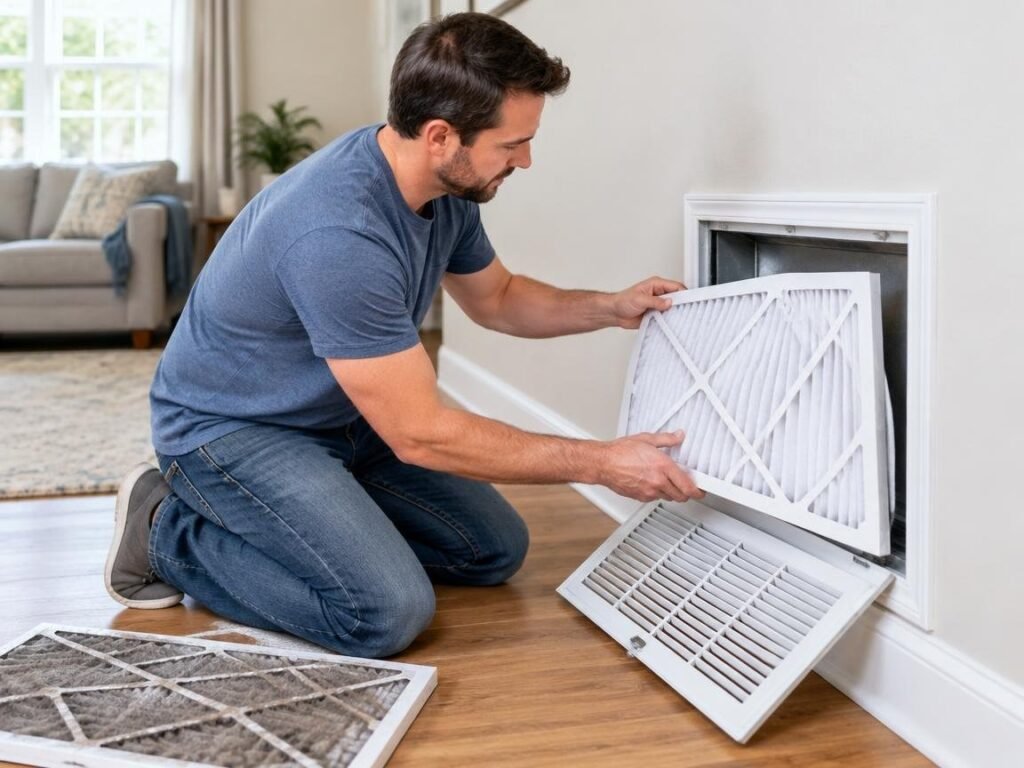
Seasonal Checklist for HVAC Maintenance and Repair Planning
The best way to remember your maintenance schedule is to tie it to the changing seasons.
- Spring: Schedule your cooling system check-up before the first heatwave hits. This ensures your refrigerant levels are correct and your coils are clean.
- Fall: Schedule your heating inspection before the first frost. This is vital for safety, as technicians will check for heat exchanger cracks and ensure gas or oil combustion is clean and efficient.
High-Impact DIY Maintenance Practices for Homeowners
You can significantly improve your system’s efficiency—by as much as 15%—just by keeping airflow clear.
- Filters: Inspect these monthly. Replace them every 1 to 3 months, especially if you have pets or live in a dusty area. Look for a MERV rating of 6 or higher to ensure proper filtration.
- Outdoor Clearance: Keep the area around your outdoor condenser unit free of leaves, grass clippings, and debris. Maintain a clear radius of 2 to 3 feet to allow the unit to “breathe.”
- Coil Cleaning: With the power turned off, you can gently rinse your outdoor condenser coils with a standard garden hose. Never use a pressure washer, as the high force can bend the delicate fins and damage the unit.
Frequently Asked Questions About HVAC Care
How often should an HVAC system receive professional service?
We recommend professional maintenance at least twice a year—once in the spring and once in the fall. This ensures your system is ready for the extreme temperatures of summer and winter, helping you avoid the “rush” when everyone else’s system breaks down during a heatwave or cold snap.
How long does a typical HVAC repair take to complete?
Most routine repairs take between 1 and 5 hours. Simple tasks, like replacing a capacitor, can often be done in under an hour. More complex issues, such as replacing a compressor or diagnosing a refrigerant leak, may take half a day or longer.
Can basic HVAC maintenance be handled without a technician?
Yes, but only to a point. Homeowners can safely handle filter replacements, vent cleaning, and clearing debris from the outdoor unit. However, any task involving electrical wiring, refrigerant handling, or gas lines must be performed by a licensed professional. Refrigerant work, in particular, is strictly regulated by the EPA, and attempting to handle it without the proper certification is both illegal and dangerous.
Conclusion
Your HVAC system is a significant investment that directly impacts your quality of life. By balancing regular DIY care with professional annual inspections, you can prevent the most common causes of system failure. Proactive maintenance is not just an expense; it is a long-term strategy for reducing utility costs, ensuring your family’s safety, and extending the life of your equipment. When you prioritize the health of your heating and cooling system, you are ensuring that your home remains a sanctuary of comfort, no matter what the weather brings outside.