

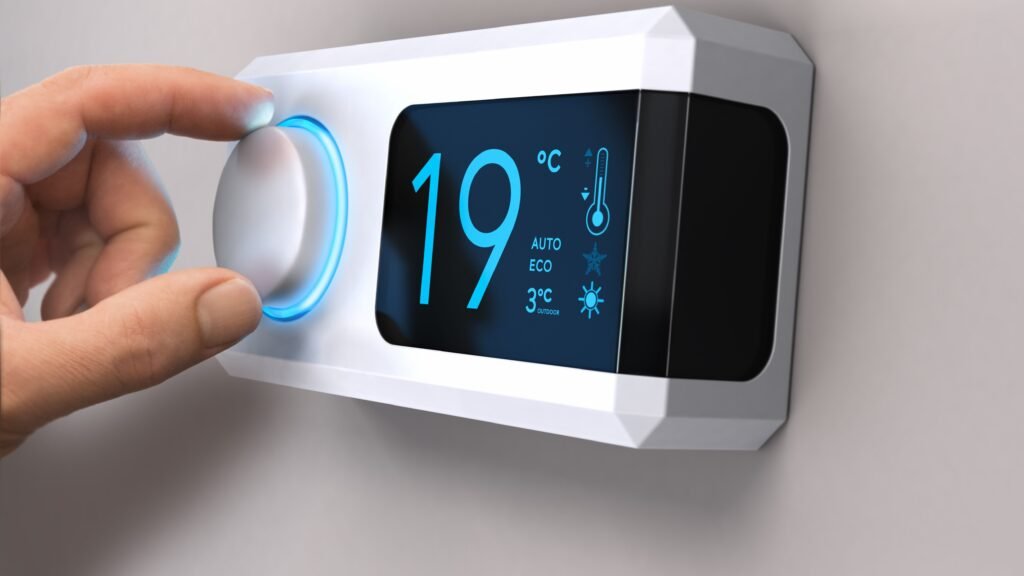
A furnace relies on more than burners, blowers, and heat exchangers to operate reliably. One of its most influential control components is the thermostat, which acts as the communication bridge between a household and the heating system. When this small device fails to perform as expected, it can trigger a range of heating problems that often appear to be furnace-related. We will explore how thermostat issues affect furnace performance, increase repair needs, and complicate troubleshooting. Understanding this relationship helps property owners recognize why inconsistent heating, frequent cycling, or system inactivity may originate from the thermostat rather than the furnace itself, saving time and avoiding unnecessary mechanical interventions.
How Thermostat Problems Contribute to Furnace Malfunctions
- Signal Interruptions and Miscommunication
A thermostat’s primary role is to send precise on-and-off signals to the furnace based on indoor temperature readings, a process that is closely evaluated during a furnace repair service call. When wiring connections loosen, internal sensors degrade, or calibration drifts, the thermostat may send incomplete or inaccurate signals. This miscommunication can cause a furnace to short cycle, fail to ignite, or run longer than needed. From a repair perspective, these symptoms often resemble mechanical or electrical faults within the furnace. Technicians may initially inspect burners, limit switches, or control boards before discovering that the thermostat is not relaying consistent commands. Over time, repeated misfires and irregular cycles place additional strain on furnace components, accelerating wear and increasing the likelihood of secondary repairs. Addressing thermostat signal integrity early reduces unnecessary stress on the heating system and helps restore predictable operation without extensive furnace disassembly.
- Temperature Inaccuracy and Comfort Imbalances
Thermostats rely on internal temperature sensors that must accurately reflect the surrounding air. When a thermostat is poorly located near drafts, direct sunlight, or heat-producing appliances, or when its sensor degrades with age, it may misread room conditions. This causes the furnace to respond incorrectly, resulting in uneven heating throughout the home. Occupants may notice rooms overheating while others remain cold, prompting repeated thermostat adjustments. These frequent changes can confuse furnace controls and increase run times, which in turn elevates energy use and component fatigue. During furnace repairs, inaccurate temperature readings can mask the true cause of discomfort, delaying effective solutions. Correcting sensor placement, recalibrating readings, or replacing outdated thermostats often resolves comfort issues without modifying furnace hardware, underscoring the thermostat’s role in perceived furnace performance.
- Power Supply and Battery-Related Failures
Many modern thermostats depend on batteries or low-voltage power from the furnace. When batteries weaken or power connections fluctuate, the thermostat may intermittently shut down or reset. These interruptions can prevent the furnace from receiving consistent calls for heat, resulting in unexplained shutdowns or failure to start. From a repair standpoint, such symptoms may resemble ignition failures or control board issues within the furnace. Premature component replacement can occur if the thermostat’s power source is not evaluated first. Additionally, repeated power interruptions can confuse furnace safety systems, leading to lockouts that require manual resets. Ensuring stable thermostat power, whether through timely battery replacement or secure wiring, reduces false furnace alarms and prevents avoidable service visits caused by non-mechanical issues.
- Programming Errors and User Interface Challenges
Programmable and smart thermostats introduce scheduling features designed to optimize comfort and efficiency. However, incorrect programming or unfamiliar interfaces can inadvertently create heating problems. Settings that lower temperatures too aggressively or conflict with household routines may cause the furnace to cycle unpredictably. Users may interpret delayed heating or unexpected shutdowns as signs of a furnace malfunction. During repairs, technicians often discover that the furnace is responding exactly as instructed by the thermostat’s schedule. Misaligned programming can also increase wear by prompting frequent starts and stops. Reviewing thermostat settings, simplifying schedules, or resetting to default configurations often stabilizes furnace behavior. This highlights how user-controlled thermostat features can directly affect repair frequency, even without any physical defect in the heating equipment.
- Compatibility Issues Between Thermostats and Furnaces
Not all thermostats communicate seamlessly with every furnace model. Differences in voltage requirements, control logic, or communication protocols can lead to partial compatibility. When a thermostat is not fully aligned with a furnace’s control system, it may fail to activate certain functions or misinterpret feedback signals. These issues can surface after thermostat upgrades or furnace replacements, creating confusion during troubleshooting. The furnace may appear unresponsive or exhibit erratic operation despite being mechanically sound. Repair efforts focused solely on the furnace can overlook this mismatch, prolonging downtime. Verifying compatibility and ensuring proper configuration help the thermostat and furnace operate together, reducing the need for repeated service calls and preserving system reliability over the long term.
Thermostat issues play a significant role in furnace repairs by influencing communication, temperature accuracy, power stability, user control, and system compatibility. While furnaces contain complex mechanical and electrical components, many heating problems originate at the thermostat level. Recognizing this connection allows for more efficient diagnostics and prevents unnecessary component replacements. By viewing the thermostat as an integral part of the heating system rather than a peripheral accessory, property owners and service providers can address root causes more effectively, extend equipment lifespan, and maintain dependable heating performance throughout the colder months.