

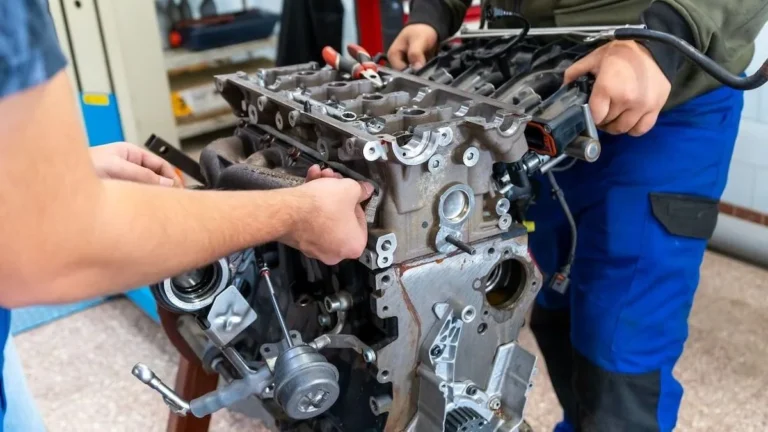
In today’s industrial landscape, sustainability is not just an option but a necessity. Forward-thinking companies are increasingly focusing on reducing their environmental impact, improving efficiency, and lowering costs. Among the most effective strategies emerging is the adoption of rebuilt engines, an approach that helps to conserve resources while offering significant financial advantages. Across many sectors, opting for remanufactured power units, such as the CAT 3306 engine, is becoming an essential part of corporate responsibility initiatives. Rebuilt engines, which are revived through meticulous cleaning, inspection, and replacement of worn components, contribute to a circular economy by keeping valuable materials in productive use and reducing the demand for new resources. This tactical shift is not only environmentally conscious but also positions industries to navigate economic uncertainty better. By integrating remanufactured power systems into ongoing operations, businesses can help ensure the reliability and productivity of their fleets while advancing ambitious sustainability goals.
Table of Contents
Understanding Rebuilt Engines
Rebuilt engines, also called remanufactured engines, are previously used power units that undergo comprehensive cleaning, disassembly, inspection, and reassembly. During this process, worn or out-of-spec parts are replaced with new or reconditioned components that match original equipment manufacturer (OEM) standards. The outcome is an engine that performs nearly as well as a new one, often backed by warranties that reflect a high confidence in its quality and durability. This approach is fundamentally different from simple repair or reconditioning. Rebuilt engines are rigorously tested to verify they meet or exceed OEM specifications, helping restore both performance and reliability. This level of quality assurance is critical in demanding industrial environments, where equipment uptime and operational continuity are vital.
Environmental Benefits of Rebuilt Engines
The remanufacturing of engines delivers substantial environmental advantages. The process conserves raw materials such as steel, aluminum, and copper that would otherwise be extracted and processed for brand-new engines. According to the U.S. Environmental Protection Agency (EPA), remanufacturing typically uses up to 85% less energy than producing an engine from scratch. This reduction in energy consumption translates directly to lower greenhouse gas emissions, helping companies reduce their overall carbon footprint. For example, Cummins Inc. notes that its ReCon® line conserves both energy and raw materials while maintaining OEM-level quality and efficiency. The benefit extends beyond manufacturing plants. By extending the lifecycle of existing components and systems, industries can divert large numbers of engines from landfills, further decreasing environmental harm and supporting circular economic principles endorsed by organizations such as the Ellen MacArthur Foundation.
Economic Advantages for Industries
Though the sustainability improvements provide clear motivation, rebuilt engines also offer compelling economic benefits. The upfront cost of a remanufactured engine is typically much lower than that of a new unit, enabling companies to invest those savings in other critical areas of their business. Additional savings arise from reduced lead times. Since many rebuilt engines are available more quickly than new ones, industries can minimize equipment downtime, maintain productivity, and reduce operational bottlenecks. Global leaders like Rolls-Royce use remanufacturing techniques to deliver dependable, cost-effective power solutions to customers. Their centers have reconditioned and reused thousands of engines, enabling businesses to continue operations with lower total cost of ownership and robust support, as reported by Rolls-Royce in their sustainability initiatives.
Case Studies in Successful Implementation
Several industry leaders have made rebuilding engines a central part of sustainable growth strategies. Caterpillar, for instance, operates a Cat® Certified Rebuild program that enables customers to return aging machines and engines for full transformation. After disassembly and inspection, these engines receive upgraded components, restoration to like-new standards, and the benefits of any technological improvements developed since their original manufacture. The result is equipment with renewed performance and extended service life, all at a fraction of the cost of new options. This approach reduces waste and the need for new manufacturing inputs, helping clients meet sustainability targets and comply with increasingly stringent regulatory requirements. These success stories clearly demonstrate the robust value of integrating remanufactured solutions into commercial and heavy-duty operations.
Challenges and Considerations
Despite the clear upside, there are notable challenges to adopting rebuilt engines. The remanufacturing process requires access to highly skilled technicians and sophisticated facilities that can ensure stringent quality control throughout disassembly, inspection, and assembly. Companies must carefully vet suppliers and ensure proper certification standards are met. Another consideration is aligning available rebuilt options with the specific technical requirements and compliance needs of each application. With thoughtful planning and investment in workforce development, these hurdles can be overcome, clearing the way for broader adoption.
Future Trends in Engine Rebuilding
The field of engine rebuilding is poised for significant technological evolution. Automation, digital twin technology, and advanced metrology are revolutionizing the speed and accuracy of remanufacturing. For example, metrology-driven automation enables rapid, precise measurement of critical engine components, ensuring that rebuilt engines reproduce OEM performance characteristics with greater confidence. Anticipated future developments will likely make engine rebuilding more accessible and standardized, further reducing the total environmental impact of industrial equipment and supporting global sustainability goals.
Conclusion
Rebuilt engines offer industries a practical and impactful way to balance operational demands with their sustainability commitments. By extending the useful life of critical assets, reducing energy consumption, and minimizing costs, this approach aligns with global trends prioritizing waste reduction and responsible resource management. As technologies advance and infrastructure expands, the adoption of rebuilt engines is set to become a cornerstone of resilient, sustainable industrial practices.


