

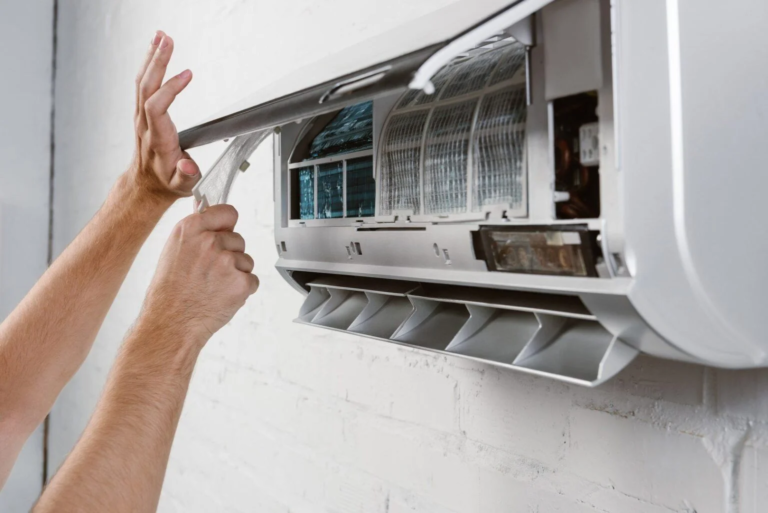
An air conditioner should not sound like metal scraping, rattling, clanking, or grinding during normal operation. When those noises begin, they often indicate loose parts, worn components, airflow issues, or internal strain that can worsen with continued use. A system may still cool for a while, but the noise can signal that something inside is shifting, hitting, or wearing down. Air conditioning repair should be considered early, as unusual metal sounds rarely resolve on their own. Fast attention can prevent greater damage, reduce stress on equipment, and help maintain indoor comfort during warm weather.
What the Noise May Mean
- Loose Parts Can Turn Into Bigger Damage
Metal noises often begin when a part inside the system becomes loose and starts striking nearby components during operation. A fan blade may wobble, a panel may vibrate, a screw may back out, or mounting hardware may weaken from repeated use. These small changes can create sharp rattling or clanking sounds that become louder as the unit runs. If the problem is ignored, the loose part may damage the fan housing, motor, or surrounding metal surfaces. Homeowners who call Palm Desert Air Conditioning and Heating Co. after hearing these sounds may be trying to address a minor mechanical issue before it leads to a more expensive repair. Air conditioning repair matters here because the source of the sound needs to be secured, adjusted, or replaced before repeated contact causes further wear. A quick inspection can protect the system from damage that began with something as simple as a loose fastener or shifting panel.
- Worn Motors and Bearings Can Create Grinding Sounds
A grinding or scraping metal sound can point to wear in the blower motor, condenser fan motor, or the bearings that help those parts spin smoothly. When these components begin to fail, the moving parts may no longer stay aligned correctly. Instead of rotating quietly, they create friction and heat that can produce harsh metallic noise. This is especially important because failing bearings or motors do not only affect sound. They can also reduce airflow, overheat electrical components, and increase pressure on the compressor. Air conditioning repair becomes necessary because continued operation may lead to a seized motor or a fan that stops turning completely. Once that happens, the system can lose cooling performance very quickly or shut down altogether. Repair technicians can inspect motor condition, check alignment, and determine whether lubrication, tightening, or replacement is needed. Catching this early helps prevent the metal noise from turning into a complete cooling failure during hot weather.
- Fan and Blade Problems Can Affect System Balance
Metal noises can also come from fan blades that are bent, misaligned, or cracked, or from blades striking nearby metal surfaces. The outdoor condenser fan and the indoor blower both require adequate clearance and stable movement to operate correctly. If a blade shifts out of position, it may clip the housing, scrape the cage, or produce a repeated tapping sound that worsens as speed increases. Debris inside the unit can also cause blade contact that sounds metallic. Air conditioning repair should be considered because fan problems affect more than noise. Once balance is lost, the motor may work harder, airflow may drop, and vibration may spread through the system. That extra stress can damage connected parts over time. A technician can inspect the fan assembly, remove debris, realign parts, replace damaged blades, and verify that the housing remains stable. Restoring balance helps the unit run more quietly and reduces the risk of further internal damage from repeated metal contact.
- Internal Strain Can Signal Deeper Mechanical Trouble
Some metal noises are signs that the air conditioner is under mechanical strain, even if the exact source is not immediately visible. A loud clanking startup, repeated banging, or deep metallic knocking may indicate compressor trouble, damaged internal components, or parts that are no longer operating in sequence. These sounds should not be ignored simply because the unit still cools. The AC may continue to run while hidden stress builds within the system. Air conditioning repair is important because unusual noise often appears before complete failure. If the compressor is affected, delaying service can significantly increase repair costs and shorten the life of the equipment. The technician may check startup behavior, refrigerant pressures, electrical response, and interactions between motors and control components to determine the source of the strain. When internal stress is identified early, homeowners have a better chance of repairing the problem before it develops into a major breakdown during high-demand cooling periods.
Early Repair Protects Comfort and Equipment Life
Air conditioning repair should be considered when an AC starts making metallic noises, as those sounds usually indicate movement, friction, or impact where smooth operation should exist. Whether the cause is a loose panel, worn motor, damaged fan blade, or deeper mechanical stress, the sound is a warning that the system needs attention. Acting early can prevent larger failures, restore quieter operation, and help the unit cool more reliably. A metal noise may begin as an inconvenience, but it can quickly become a sign of serious damage. Timely repair helps protect both comfort and equipment life.


