

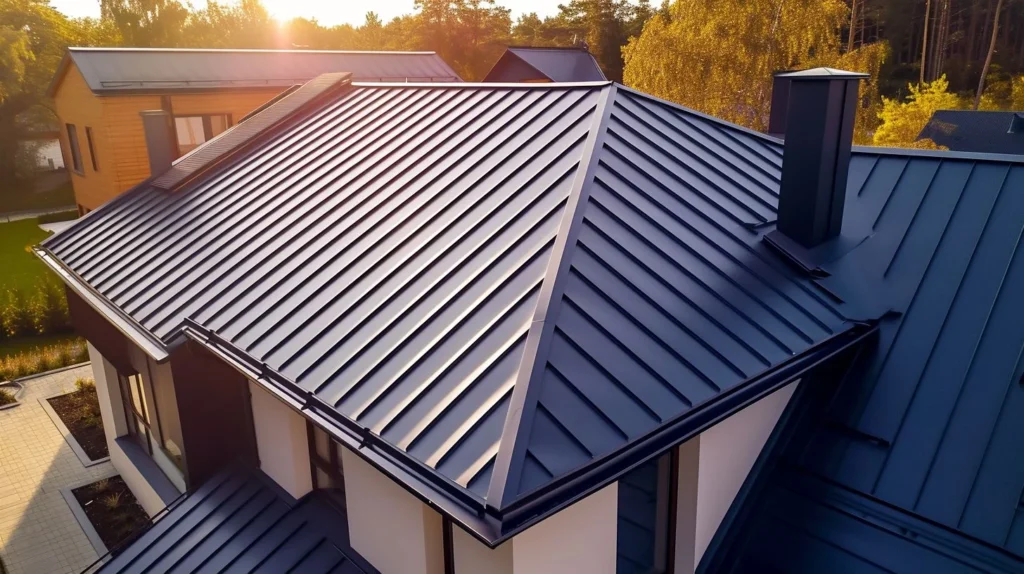
When choosing a roofing material, homeowners often compare asphalt shingles and metal roofing. Both options offer durability and aesthetic value, but they differ in cost, longevity, and maintenance needs. Understanding these differences helps determine which material best fits a home’s structure and climate conditions.
Table of Contents
Understanding Asphalt Shingles
Asphalt shingles remain one of the most common materials for residential roofs. They are composed of fiberglass or organic mats coated with asphalt and mineral granules. This combination provides weather resistance and a wide range of design choices, making them suitable for many architectural styles.
Advantages of Asphalt Shingles
Many homeowners appreciate asphalt shingles for their affordability and ease of installation. Repairs are usually straightforward, and the material performs well in various climates. Color choices also allow for better coordination with exterior finishes, improving curb appeal.
- Affordable initial cost
- Simple installation process
- Wide variety of colors and textures
- Reliable performance in moderate climates
Limitations of Asphalt Shingles
Despite their popularity, asphalt shingles have a shorter lifespan than other materials. They can degrade under prolonged sunlight or severe weather. Regular inspections are essential to prevent leaks and structural damage.
- Average lifespan of 20 to 30 years
- Susceptible to wind uplift and algae growth
- Lower energy efficiency compared to metal
Exploring Metal Roofing
Metal roofing is gaining recognition among homeowners seeking a long-term investment. Made from steel, aluminum, or other alloys, it provides excellent durability and resistance to extreme weather. The material also reflects sunlight, helping regulate indoor temperature.
Benefits of Metal Roofing
One of the strongest advantages of metal roofing is its longevity. It can last 40 to 70 years with minimal maintenance. The surface resists cracking, shrinking, and corrosion, making it ideal for areas with heavy rain or snow.
- Exceptional durability and lifespan
- Energy-efficient reflective surface
- Low maintenance requirements
- Lightweight yet structurally strong
Drawbacks of Metal Roofing
While metal roofs offer long-term value, they require a larger upfront investment. Installation must be performed carefully to ensure proper sealing and alignment. Some homeowners also find the sound of rain on metal distracting, though insulation can reduce this effect.
- Higher initial cost
- Professional installation required
- Potential for noise without proper insulation
Comparing Long-Term Value
The choice between asphalt shingles and metal roofing depends on priorities such as budget, appearance, and durability. Asphalt shingles are practical for those wanting an economical solution with easy maintenance. Metal roofing suits homeowners planning to stay long-term and seeking energy savings over time.
Companies like Ryson Roofing often evaluate a property’s design, slope, and environmental exposure before recommending an ideal material. Their expertise ensures that the roof not only looks attractive but also performs efficiently for decades.
Choosing the Right Option for Your Home
Both materials have proven reliability, but the final decision should reflect climate, budget, and aesthetic preferences. In regions with frequent storms or temperature changes, metal roofs may offer better protection. For neighborhoods emphasizing traditional design, asphalt shingles can provide a classic look with balanced performance.
Homeowners researching residential roofing solutions should weigh factors like maintenance demands, energy efficiency, and long-term cost. Evaluating these aspects helps ensure the selected roofing system enhances comfort and property value for years to come.