Carbon DLS: What You Need to Know


Carbon DLS

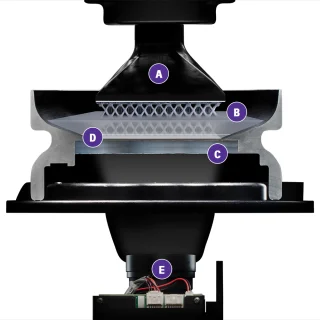
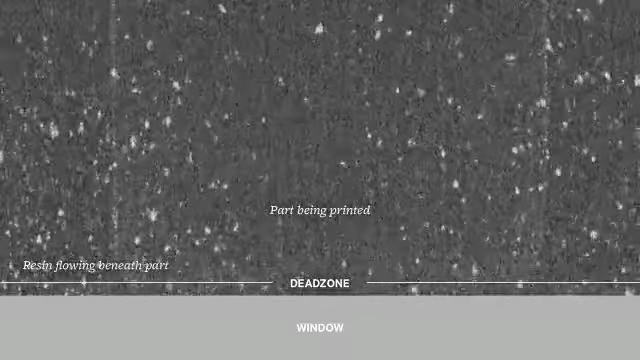
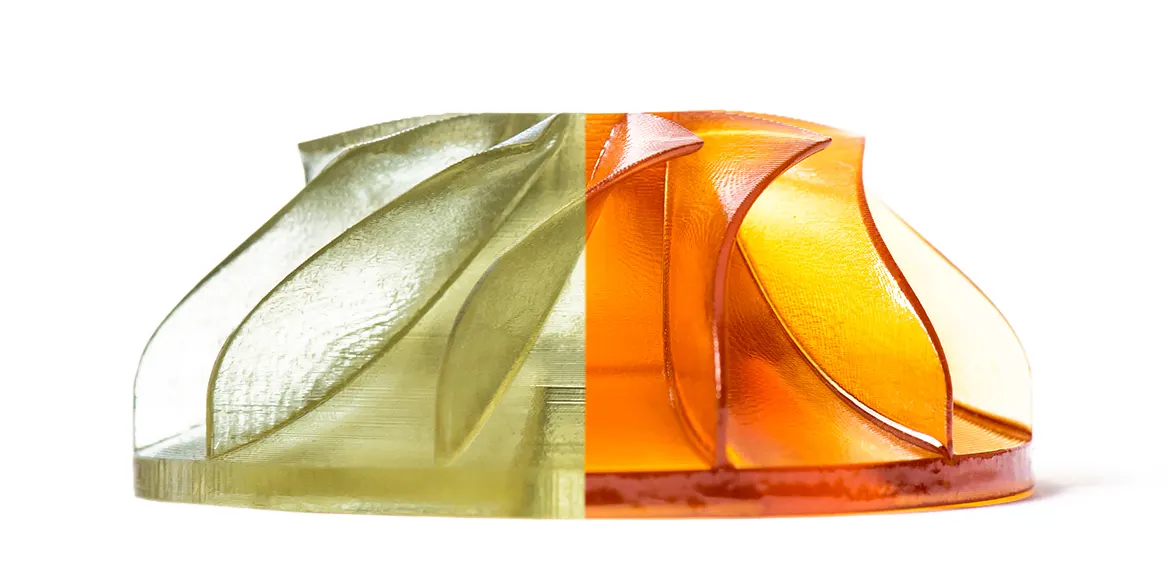
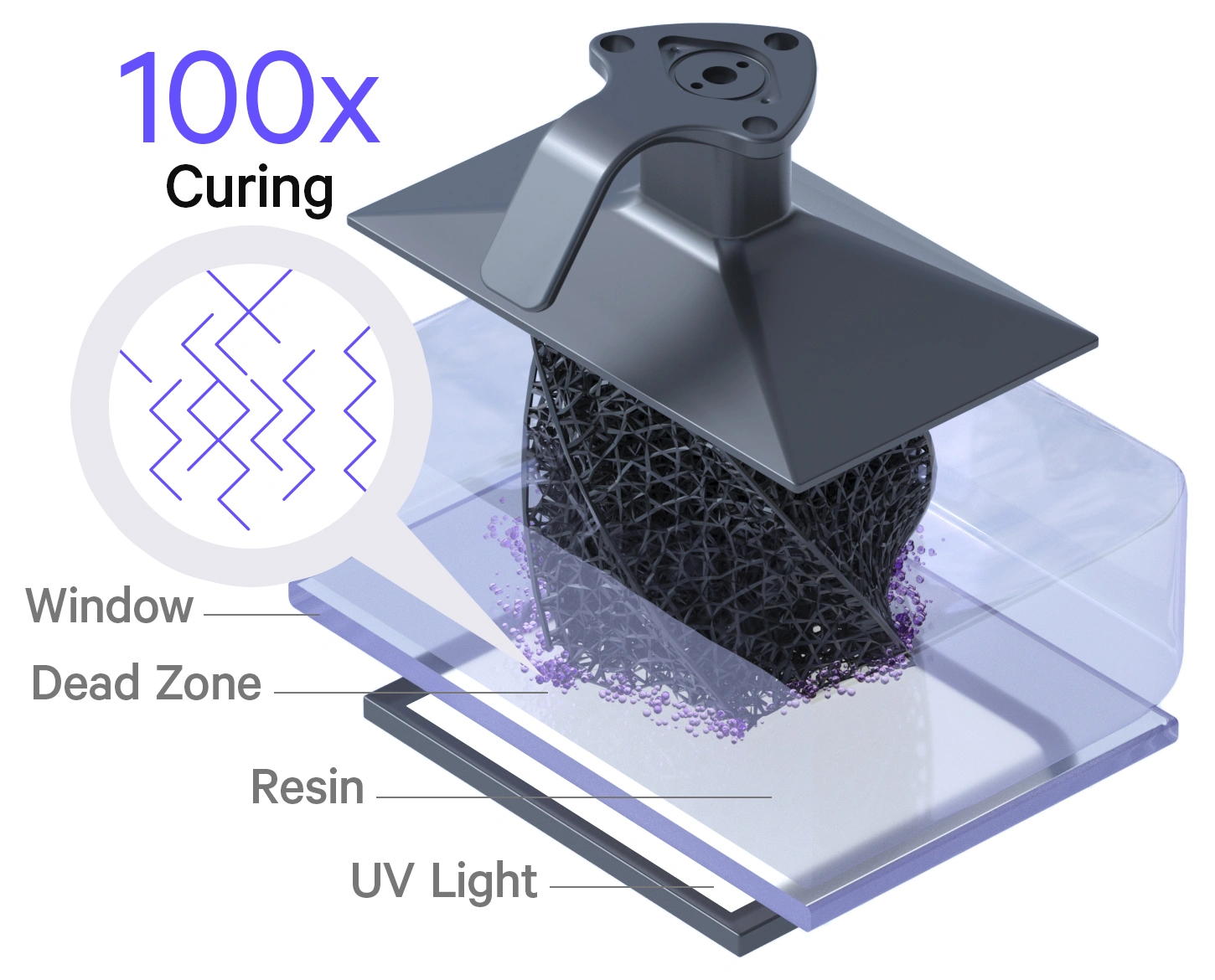
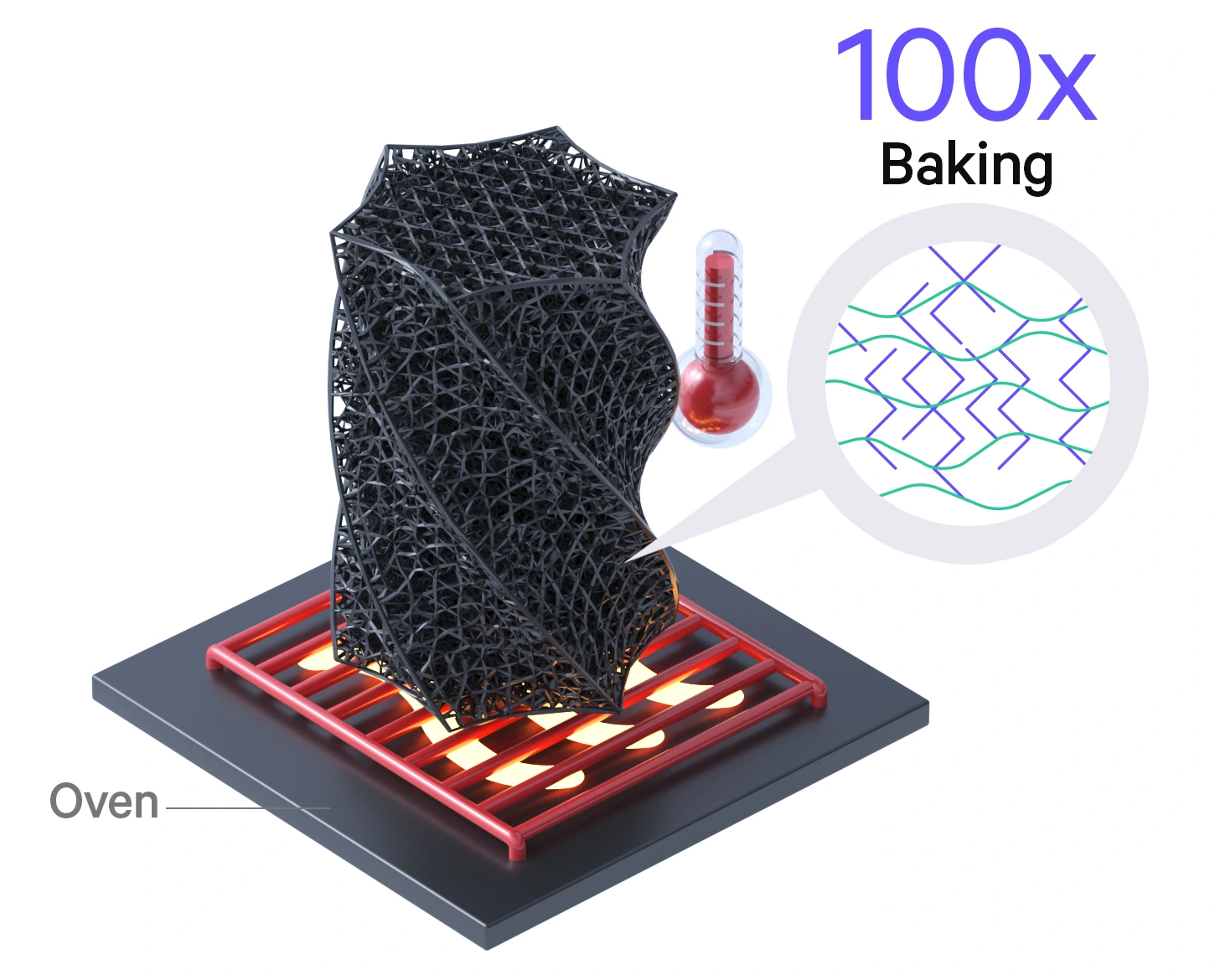
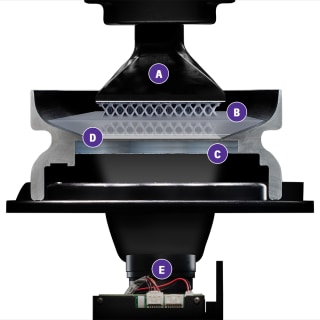
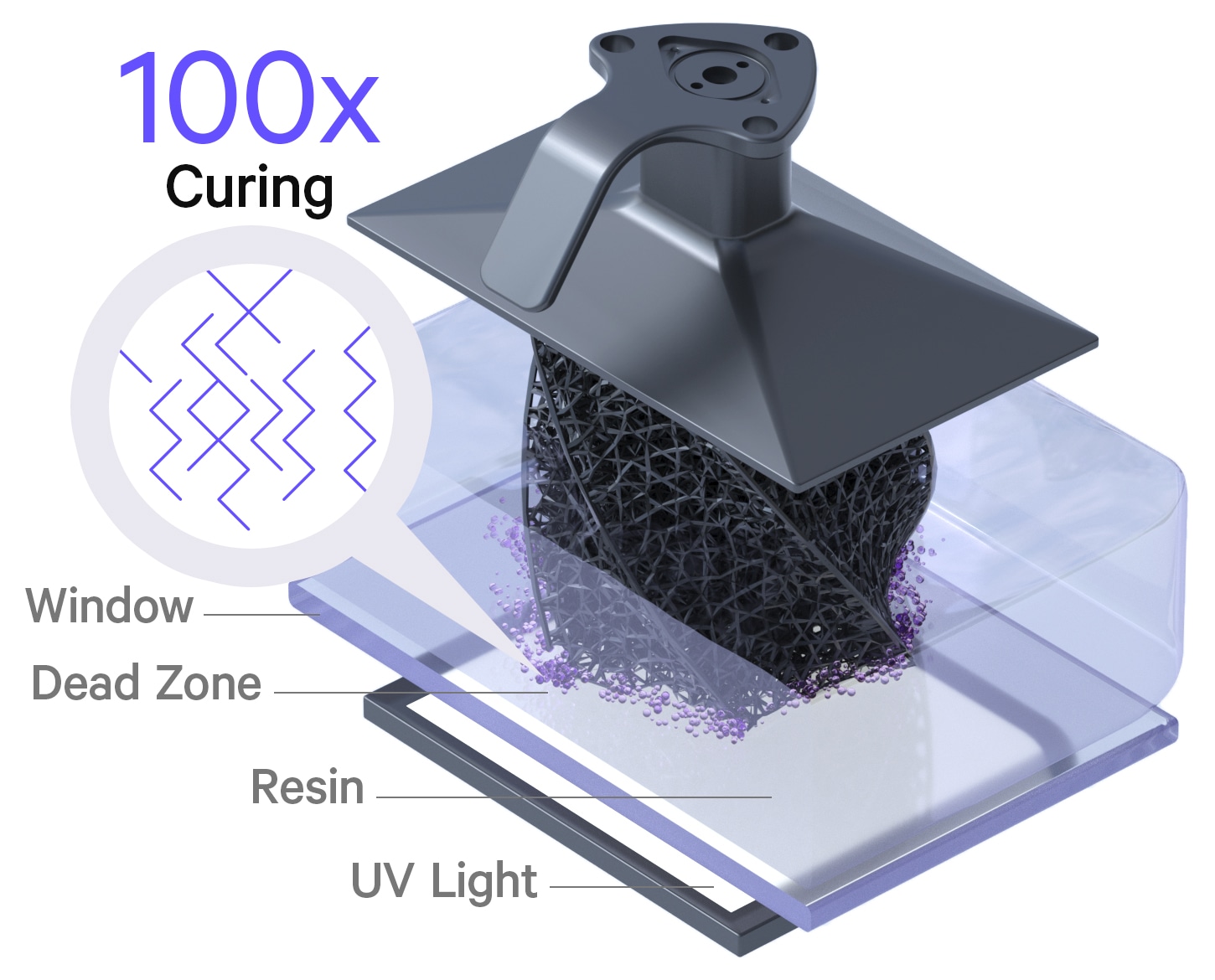
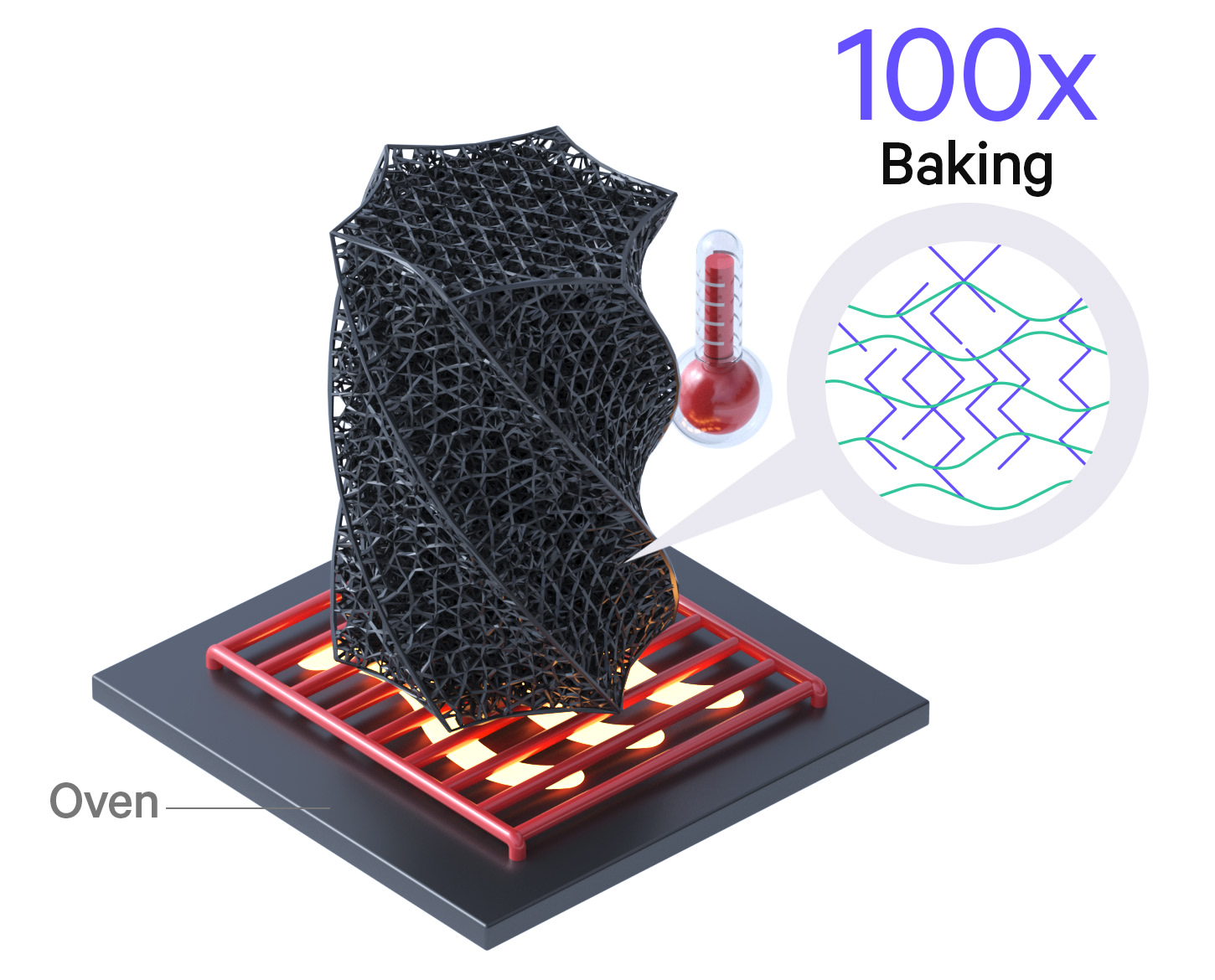
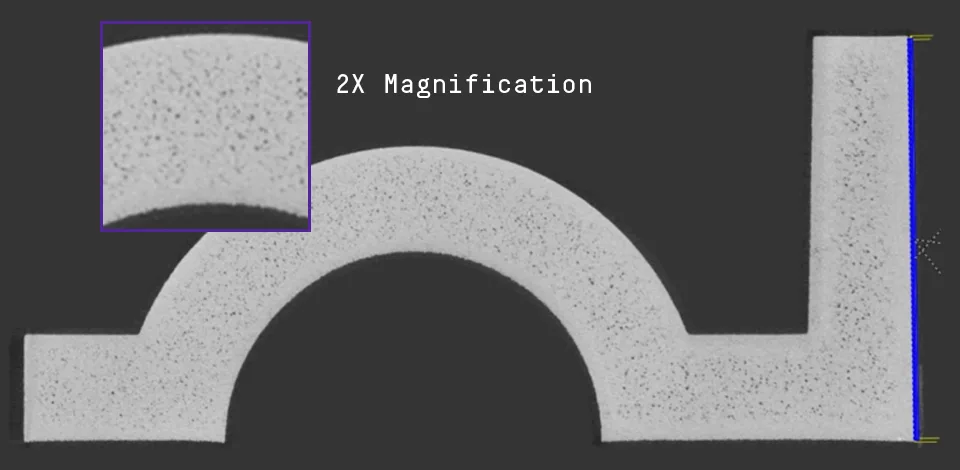
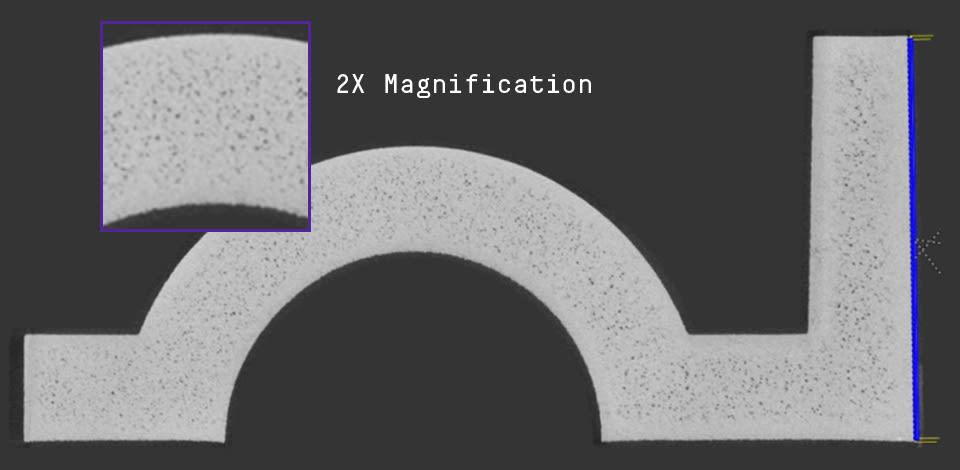
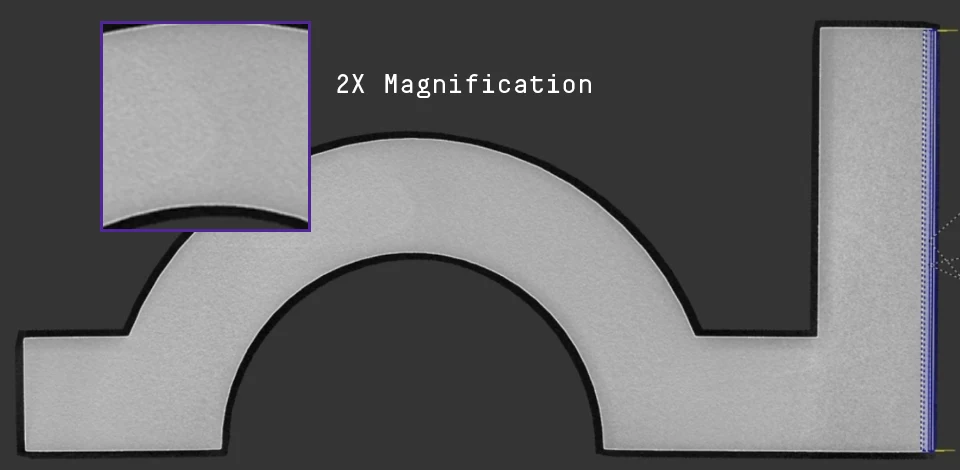
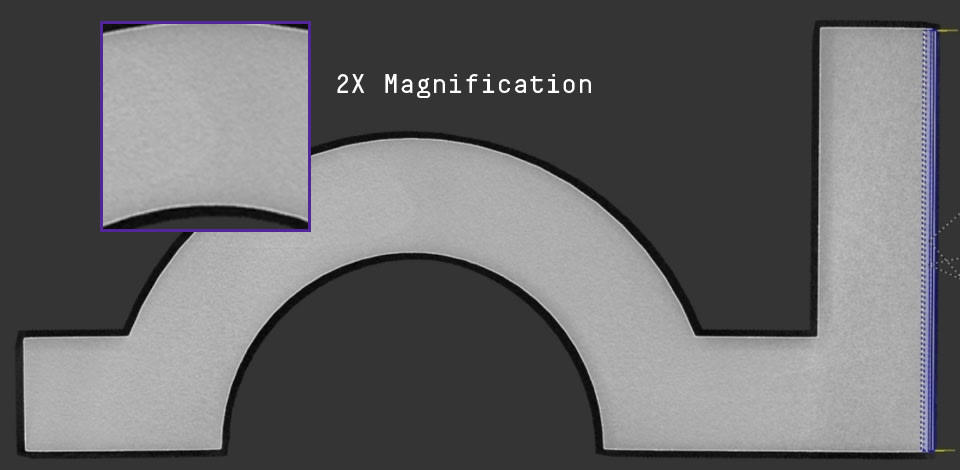
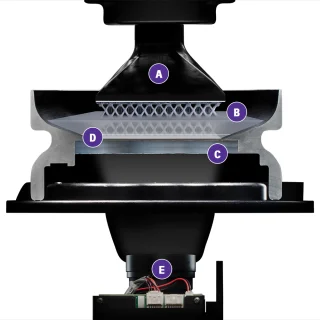
&NewLine;<p>Carbon Digital Light Synthesis™ &lpar;Carbon DLS™&rpar; represents a groundbreaking advancement in resin-based 3D printing technology&period; Utilizing digital light projection&comma; oxygen-permeable optics&comma; and high-performance materials&comma; Carbon DLSTM produces polymer parts with superior mechanical properties&comma; high resolution&comma; and an exceptional surface finish&period; This innovative process allows engineers and designers to accelerate their design cycles and explore new product possibilities by enabling the creation of consolidated parts&comma; complex geometries&comma; and software-tunable lattice structures&period; In this article&comma; we will explore the key features&comma; benefits&comma; and applications of Carbon DLS&comma; shedding light on why it’s becoming a game-changer in the additive manufacturing sector&period;<&sol;p>&NewLine;&NewLine;&NewLine;&NewLine;<h2 class&equals;"wp-block-heading"><strong>The Carbon DLS Process<&sol;strong><&sol;h2>&NewLine;&NewLine;&NewLine;&NewLine;<h3 class&equals;"wp-block-heading"><strong>1&period; Digital Light Projection&colon; Curing with UV Light<&sol;strong><&sol;h3>&NewLine;&NewLine;&NewLine;&NewLine;<figure class&equals;"wp-block-image"><img src&equals;"https&colon;&sol;&sol;lh7-rt&period;googleusercontent&period;com&sol;docsz&sol;AD&lowbar;4nXctmcJDxkUKluWeYZ&lowbar;dOSwITL3jRlVjFw3VbKyHB3ZGrt6aB&lowbar;GS6FZBJvWp&lowbar;FAWhddcO3xPc8EVjZuYynEiEiMUQ0YLqPDSJyaO9mYNAVaXTjWmr8LZ5jzQ4JAYoNDeR67NN9UMt-KSVonxWsHuXGsmEhVEn4boN7T1ejwkgKS24XxaAjwa3A&quest;key&equals;UCW4j6oJoI216rxrKJg6lA" alt&equals;""&sol;><&sol;figure>&NewLine;&NewLine;&NewLine;&NewLine;<p><em>A&colon; Building Platform&comma; B&colon; Resin&period; C&colon; Oxygen Permeable Window&semi; D&colon; Dead Zone&semi; E&colon; Light Engine&colon; Image Source&colon; <&sol;em><a href&equals;"https&colon;&sol;&sol;res&period;cloudinary&period;com&sol;carbon3d&sol;image&sol;upload&sol;q&lowbar;auto&colon;best&comma;f&lowbar;auto&comma;h&lowbar;320&sol;v1628276943&sol;carbon-dls&sol;clip-diagram&period;jpg"><em>res&period;cloudinary&period;com<&sol;em><&sol;a><&sol;p>&NewLine;&NewLine;&NewLine;&NewLine;<p>At the core of Carbon DLS™ is the pioneering Continuous Liquid Interface Production &lpar;CLIP&rpar; technology&period; CLIP employs a photochemical method to transform liquid resin into solid parts using ultraviolet &lpar;UV&rpar; light&period; The process involves projecting a sequence of UV images through an oxygen-permeable window into a reservoir filled with UV-curable resin&period; As each UV image is projected&comma; the resin solidifies&comma; and the build platform rises&comma; forming the part layer by layer&period;<&sol;p>&NewLine;&NewLine;&NewLine;&NewLine;<h3 class&equals;"wp-block-heading"><strong>2&period; Oxygen-Permeable Optics&colon; Enhancing Speed through the &OpenCurlyDoubleQuote;Dead Zone”<&sol;strong><&sol;h3>&NewLine;&NewLine;&NewLine;&NewLine;<figure class&equals;"wp-block-image"><img src&equals;"https&colon;&sol;&sol;lh7-rt&period;googleusercontent&period;com&sol;docsz&sol;AD&lowbar;4nXc1o-dIFONee&lowbar;6T6RmxnmEFXvbVSJTVeuSLk1eu4TcMAoShfSV0HBo-qQ-DTjL2RL9rU&lowbar;Q0f5piPqYGureLFjBH8tP&lowbar;WVyBe6EfI&lowbar;gQFwocvfME6iY3A3PEEY1gOsT3YEIo-ABZROws5fPBbZEQhZqcv4RVOWLfgpRgGye2S7DijS-6dJJTRa0&quest;key&equals;UCW4j6oJoI216rxrKJg6lA" alt&equals;""&sol;><&sol;figure>&NewLine;&NewLine;&NewLine;&NewLine;<p><em>Enhancing Speed through the &OpenCurlyDoubleQuote;Dead Zone”&colon; Image Source&colon; <&sol;em><a href&equals;"https&colon;&sol;&sol;res&period;cloudinary&period;com&sol;carbon3d&sol;video&sol;upload&sol;videos&sol;autoplay&sol;carbon-dls&lowbar;deadzone-2&period;webm"><em>res&period;cloudinary&period;com<&sol;em><&sol;a><&sol;p>&NewLine;&NewLine;&NewLine;&NewLine;<p>A key feature of the CLIP process is the &&num;8220&semi;dead zone&&num;8221&semi;—a thin layer of uncured resin between the window and the part being printed&period; This layer allows light to pass through&comma; curing the resin above it to form the solid part while preventing it from sticking to the window&period; The continuous flow of resin beneath the curing part maintains the liquid interface&comma; avoiding the slow and forceful peeling process typical of many other resin-based printers&period;<&sol;p>&NewLine;&NewLine;&NewLine;&NewLine;<h3 class&equals;"wp-block-heading"><strong>3&period; Dual-Cure Materials&colon; Strength Through Heat<&sol;strong><&sol;h3>&NewLine;&NewLine;&NewLine;&NewLine;<p><img src&equals;"https&colon;&sol;&sol;lh7-rt&period;googleusercontent&period;com&sol;docsz&sol;AD&lowbar;4nXeKc0Ef3R3LRvan3B64jlrQQd9K-AKI4CdPUeFSva&lowbar;dfcdZdPikn1B8ih-1j4gfRjC30XEfKgv6MIHi0k&lowbar;zCLhFpoqfKdnfEMtHeTLrhHCl4gBk8shiZa-dBO4lbzXyH3&lowbar;fF6Z&lowbar;koTBim5vUNi0swAoKLxlsQVfuHSjJNQC8IUhIkJIDYEUcNk&quest;key&equals;UCW4j6oJoI216rxrKJg6lA" width&equals;"602" height&equals;"300"><em>Right&colon; Cured Young&&num;8217&semi;s Modulus and Left&colon; Green Young&&num;8217&semi;s Modulus<&sol;em><em>&nbsp&semi;<&sol;em><&sol;p>&NewLine;&NewLine;&NewLine;&NewLine;<p>Traditional resin-based printing methods often result in parts that are weak and brittle&period; Carbon DLS™ addresses this issue with its dual-cure materials&comma; which undergo a secondary thermal curing stage&period; After printing&comma; parts are heated in an oven&comma; triggering a secondary chemical reaction that strengthens the material&period; This results in parts with exceptional resolution and engineering-grade mechanical properties&period;<&sol;p>&NewLine;&NewLine;&NewLine;&NewLine;<h3 class&equals;"wp-block-heading"><strong>4&period; Achieving Consistent Isotropic Properties<&sol;strong><&sol;h3>&NewLine;&NewLine;&NewLine;&NewLine;<figure class&equals;"wp-block-image"><img src&equals;"https&colon;&sol;&sol;lh7-rt&period;googleusercontent&period;com&sol;docsz&sol;AD&lowbar;4nXfa9IMTIync8BryDuoMcurJ&lowbar;vYEuKJgPlWGXn9AWPvijkIR8hDrkPuGjbpdrHxTegCAq1IfmQaNdONbHkCnJyewk8fKifU3dN2OyLLJKvP8pzxzy&lowbar;Rp4M0QzKu&lowbar;yig38hZvXhx-9L6TZ1OScjlCXv4FVpRaPS1kZvpFkL&lowbar;nurqTK5TpMT-isw&quest;key&equals;UCW4j6oJoI216rxrKJg6lA" alt&equals;""&sol;><&sol;figure>&NewLine;&NewLine;&NewLine;&NewLine;<p><em>Curing process&colon; image source&colon; <&sol;em><a href&equals;"https&colon;&sol;&sol;res&period;cloudinary&period;com&sol;carbon3d&sol;image&sol;upload&sol;q&lowbar;auto&colon;best&comma;f&lowbar;auto&sol;v1628291470&sol;carbon-dls&sol;carbon-dls&lowbar;Isotropy-print-stage&period;jpg"><em>res&period;cloudinary&period;com<&sol;em><&sol;a><&sol;p>&NewLine;&NewLine;&NewLine;&NewLine;<figure class&equals;"wp-block-image"><img src&equals;"https&colon;&sol;&sol;lh7-rt&period;googleusercontent&period;com&sol;docsz&sol;AD&lowbar;4nXf0kYy2T9wwEIXIhCqPQ5ohiNJS4U1r8F7RcYjFboU1DCndmhzsyjrDa-VFW2gOUIJ&lowbar;N2Svzuw6TietNnJE0YM-uNCZUD6ItQPv55MUNpC5uA9cIcLts1sJQbQ52N74-7Xs9MiOkU1UJEQWqUVT0iOzDJPbyji&lowbar;MSAGGkYOjP6S&lowbar;g6NOUSCyzM&quest;key&equals;UCW4j6oJoI216rxrKJg6lA" alt&equals;""&sol;><&sol;figure>&NewLine;&NewLine;&NewLine;&NewLine;<p><em>Baking Process&colon; Image Source&colon; <&sol;em><a href&equals;"https&colon;&sol;&sol;res&period;cloudinary&period;com&sol;carbon3d&sol;image&sol;upload&sol;q&lowbar;auto&colon;best&comma;f&lowbar;auto&sol;v1628291470&sol;carbon-dls&sol;carbon-dls&lowbar;Isotropy-bake-stage&period;jpg"><em>res&period;cloudinary&period;com<&sol;em><&sol;a><&sol;p>&NewLine;&NewLine;&NewLine;&NewLine;<p>Unlike many 3D printing methods that produce parts with varying mechanical properties depending on their orientation&comma; Carbon DLS™ creates parts with predictable isotropic properties&period; The parts are solid throughout&comma; similar to injection-molded components&comma; and exhibit consistent strength and behavior in all directions&period; This uniformity is achieved because of the continuous&comma; non-layered nature of the printing process and the precise handling of the materials&period;<&sol;p>&NewLine;&NewLine;&NewLine;&NewLine;<h3 class&equals;"wp-block-heading"><strong>5&period; The Carbon Isotropic Advantage<&sol;strong><&sol;h3>&NewLine;&NewLine;&NewLine;&NewLine;<p>The isotropic nature of Carbon DLS™ parts is a direct benefit of the dual-cure materials and the unique CLIP process&period; During printing&comma; the &&num;8220&semi;dead zone&&num;8221&semi; ensures that the resin cures evenly along the z-axis&period; The subsequent thermal curing stage further enhances the isotropy by creating a molecular weave that strengthens the material in all directions&period;<&sol;p>&NewLine;&NewLine;&NewLine;&NewLine;<h3 class&equals;"wp-block-heading"><strong>6&period; Creating Fully Dense Parts<&sol;strong><&sol;h3>&NewLine;&NewLine;&NewLine;&NewLine;<figure class&equals;"wp-block-image"><img src&equals;"https&colon;&sol;&sol;lh7-rt&period;googleusercontent&period;com&sol;docsz&sol;AD&lowbar;4nXcNoVGVH1sH0EfOtaydrWcy9BKMqYSsIWfhmq-g-lKF4t9s9h9o4SZ-8co9FNHNT8pC71&lowbar;XP1j-1OaQ-10k0K1xWBrsrDGNl3aYL0LGTlhuRv1u-&lowbar;ZZf6-hHd7xUMTUTDWPeNdBYU39cr1Z2u3bEvS84zNBuzZfpZccyprI2Zs6LyjBT4YfmZE&quest;key&equals;UCW4j6oJoI216rxrKJg6lA" alt&equals;""&sol;><&sol;figure>&NewLine;&NewLine;&NewLine;&NewLine;<p><em>Powder bed Fusion&colon; Image Source&colon; <&sol;em><a href&equals;"https&colon;&sol;&sol;res&period;cloudinary&period;com&sol;carbon3d&sol;image&sol;upload&sol;q&lowbar;auto&comma;f&lowbar;auto&sol;v1628287319&sol;carbon-dls&sol;rpu-not-fully-dense&lowbar;powder-bed-fusion&period;jpg"><em>res&period;cloudinary&period;com<&sol;em><&sol;a><&sol;p>&NewLine;&NewLine;&NewLine;&NewLine;<figure class&equals;"wp-block-image"><img src&equals;"https&colon;&sol;&sol;lh7-rt&period;googleusercontent&period;com&sol;docsz&sol;AD&lowbar;4nXfGRTaKhhgtz4WoEKu8vAFt4uQThmIEo9aPAACdQOdFu35oU&lowbar;0XqwHTRceIN48Tk9jbWyUyf0L7QUKe84t-w6qPdqp1-dcgCabSC88oP8HfW25LO7E-e8fqfKmHqVLLJBrFe&lowbar;Ii2a7GnRQ9os7v&lowbar;6srf5lLSLZgbQplTYUbyE&lowbar;h2G0B2cWv1cQ&quest;key&equals;UCW4j6oJoI216rxrKJg6lA" alt&equals;""&sol;><&sol;figure>&NewLine;&NewLine;&NewLine;&NewLine;<p><em>Carbon DLS&colon; Image Source&colon; <&sol;em><a href&equals;"https&colon;&sol;&sol;res&period;cloudinary&period;com&sol;carbon3d&sol;image&sol;upload&sol;q&lowbar;auto&comma;f&lowbar;auto&sol;v1628287404&sol;carbon-dls&sol;rpu-fully-dense&lowbar;carbon-dls&period;jpg"><em>res&period;cloudinary&period;com<&sol;em><&sol;a><&sol;p>&NewLine;&NewLine;&NewLine;&NewLine;<p>Carbon DLS™ stands out from powder-bed fusion technologies by producing fully dense parts&period; This characteristic ensures that the printed components are robust and reliable&comma; making them suitable for end-use applications&period;<&sol;p>&NewLine;&NewLine;&NewLine;&NewLine;<h2 class&equals;"wp-block-heading"><strong>Why Choose Carbon DLS™&quest;<&sol;strong><&sol;h2>&NewLine;&NewLine;&NewLine;&NewLine;<p><strong>1&period; Accelerated Product Development<&sol;strong><&sol;p>&NewLine;&NewLine;&NewLine;&NewLine;<p>Carbon DLS™ significantly speeds up the product development process&period; Designers can rapidly iterate on multiple designs&comma; creating functional prototypes and moving seamlessly from prototyping to production&period; This efficiency is exemplified by brands like Adidas&comma; Specialized&comma; and Fizik&comma; which have successfully scaled their production using Carbon DLS™ technology&period;<&sol;p>&NewLine;&NewLine;&NewLine;&NewLine;<p><strong>2&period; Design Freedom<&sol;strong><&sol;p>&NewLine;&NewLine;&NewLine;&NewLine;<p>The technology allows for complex designs without the constraints of traditional molding processes&period; Designers can create parts with undercuts&comma; intricate geometry&comma; and performance-oriented lattice structures without compromising manufacturability&period; This flexibility enables the creation of highly optimized components tailored to specific applications&period;<&sol;p>&NewLine;&NewLine;&NewLine;&NewLine;<p><strong>3&period; Customization and Aesthetics<&sol;strong><&sol;p>&NewLine;&NewLine;&NewLine;&NewLine;<p>Carbon DLS™ offers extensive customization options&period; Without the need for tooling&comma; each unit can be unique&comma; allowing for personalized designs and products tailored to individual preferences&period; Additionally&comma; the technology supports surface textures and finishes that enhance the visual and tactile qualities of the parts&period;<&sol;p>&NewLine;&NewLine;&NewLine;&NewLine;<h2 class&equals;"wp-block-heading"><strong>Material Options for Carbon DLS™<&sol;strong><&sol;h2>&NewLine;&NewLine;&NewLine;&NewLine;<p>Carbon DLS™ supports a range of materials&comma; including&colon;<&sol;p>&NewLine;&NewLine;&NewLine;&NewLine;<ul class&equals;"wp-block-list">&NewLine;<li>Rigid Plastics&colon; CE 221&comma; UMA 90&comma; DPR 10&comma; EPX 82&comma; FPU 50&comma; RPU 70<&sol;li>&NewLine;&NewLine;&NewLine;&NewLine;<li>Rubber-like Plastics&colon; EPU 40&comma; SIL 30<&sol;li>&NewLine;<&sol;ul>&NewLine;&NewLine;&NewLine;&NewLine;<p>These materials cater to various applications&comma; from durable&comma; high-strength parts to flexible&comma; impact-resistant components&period;<&sol;p>&NewLine;&NewLine;&NewLine;&NewLine;<h2 class&equals;"wp-block-heading"><strong>Advantages of Carbon DLS™ Technology<&sol;strong><&sol;h2>&NewLine;&NewLine;&NewLine;&NewLine;<p><strong>1&period; Complex Designs with Ease<&sol;strong><&sol;p>&NewLine;&NewLine;&NewLine;&NewLine;<p>Carbon DLS™ excels in producing complex designs due to its resin-based approach&comma; which allows for intricate internal features and undercuts that are challenging to achieve with other methods like powder bed fusion&period; The technology&&num;8217&semi;s ability to create lattice structures further enhances its design capabilities&period;<&sol;p>&NewLine;&NewLine;&NewLine;&NewLine;<p><strong>2&period; Enhanced Mechanical Properties<&sol;strong><&sol;p>&NewLine;&NewLine;&NewLine;&NewLine;<p>Unlike other resin-based printing processes such as SLA or PolyJet&comma; Carbon DLS™ incorporates a secondary thermal curing stage that significantly enhances the strength of printed parts&period; This continuous process provides isotropic properties&comma; ensuring consistent strength regardless of orientation&period;<&sol;p>&NewLine;&NewLine;&NewLine;&NewLine;<p><strong>3&period; High-Quality Surface Finish<&sol;strong><&sol;p>&NewLine;&NewLine;&NewLine;&NewLine;<p>The use of resin in Carbon DLS™ results in a glass-like surface finish&comma; which surpasses the quality of parts produced by powder-based methods or filament-based processes&period; This smooth finish&comma; combined with the high resolution of the technology&comma; makes it ideal for both prototypes and end-use parts&period;<&sol;p>&NewLine;&NewLine;&NewLine;&NewLine;<p><strong>4&period; Precision and Detail<&sol;strong><&sol;p>&NewLine;&NewLine;&NewLine;&NewLine;<p>Carbon DLS™ achieves a high level of precision with layer thicknesses as fine as 0&period;001mm&period; This capability allows for the creation of small&comma; detailed parts as well as larger components&comma; maintaining tight tolerances and high-definition features&period;<&sol;p>&NewLine;&NewLine;&NewLine;&NewLine;<p><strong>5&period; Minimized Material Waste<&sol;strong><&sol;p>&NewLine;&NewLine;&NewLine;&NewLine;<p>The CLIP process minimizes material waste by allowing the resin to be reused after printing&period; This efficiency contrasts with the higher waste levels associated with powder-based or filament-based 3D printing technologies&period;<&sol;p>&NewLine;&NewLine;&NewLine;&NewLine;<p><strong>6&period; Bio-Compatibility and Food Safety<&sol;strong><&sol;p>&NewLine;&NewLine;&NewLine;&NewLine;<p>Certain resins used in Carbon DLS™&comma; such as SIL 30 and RPU 70&comma; are bio-compatible&comma; making the technology suitable for medical implants and food containers&period; This advantage sets Carbon DLS™ apart from other 3D printing technologies that lack similar material options&period;<&sol;p>&NewLine;&NewLine;&NewLine;&NewLine;<p><strong>7&period; Flexible Printing Capabilities<&sol;strong><&sol;p>&NewLine;&NewLine;&NewLine;&NewLine;<p>It offers flexible printing options with resins that provide rubber-like properties&comma; making them suitable for functional parts used in real-world applications&period;<&sol;p>&NewLine;&NewLine;&NewLine;&NewLine;<h2 class&equals;"wp-block-heading"><strong>Considerations for Carbon DLS™<&sol;strong><&sol;h2>&NewLine;&NewLine;&NewLine;&NewLine;<p><strong>1&period; Cost<&sol;strong><&sol;p>&NewLine;&NewLine;&NewLine;&NewLine;<p>Carbon DLS™ is one of the more expensive 3D printing technologies available&period; The cost of production&comma; including setup and material expenses&comma; can be higher compared to methods like MJF or FDM&period; This cost factor may impact the affordability of multiple prototypes or trial iterations&period;<&sol;p>&NewLine;&NewLine;&NewLine;&NewLine;<p><strong>2&period; Material Limitations<&sol;strong><&sol;p>&NewLine;&NewLine;&NewLine;&NewLine;<p>The selection of materials for Carbon DLS™ is currently limited&comma; with only a few options available&period; Additionally&comma; while post-processing can add color&comma; it increases the overall cost&period;<&sol;p>&NewLine;&NewLine;&NewLine;&NewLine;<p><strong>3&period; Xometry’s Carbon DLS™ Services<&sol;strong><&sol;p>&NewLine;&NewLine;&NewLine;&NewLine;<p>Xometry Europe offers Carbon DLS™ services for on-demand 3D printing projects&period; With a network of over 2&comma;000 partners across Europe&comma; Xometry provides quick turnaround times&comma; delivering Carbon DLS™ parts in as little as five days&period; Customers can upload CAD files to Xometry’s Instant Quoting Engine for instant quotes and various manufacturing options&period;<&sol;p>&NewLine;&NewLine;&NewLine;&NewLine;<h2 class&equals;"wp-block-heading"><strong>Key Insights About Digital Light Synthesis<&sol;strong><&sol;h2>&NewLine;&NewLine;&NewLine;&NewLine;<p><strong>1&period; Enhanced Smoothness and Durability<&sol;strong><&sol;p>&NewLine;&NewLine;&NewLine;&NewLine;<p>Digital Light Synthesis™ improves upon traditional 3D printing by eliminating layer lines&comma; resulting in smoother surfaces&period; The secondary heat-curing process further enhances the mechanical properties&comma; producing high-resolution&comma; engineering-grade parts&period;<&sol;p>&NewLine;&NewLine;&NewLine;&NewLine;<p><strong>2&period; Speed to Market<&sol;strong><&sol;p>&NewLine;&NewLine;&NewLine;&NewLine;<p>The ability to prototype&comma; test&comma; and produce in one process accelerates the time to market&period; This efficiency reduces costs and allows for faster delivery of products to customers&period;<&sol;p>&NewLine;&NewLine;&NewLine;&NewLine;<p><strong>3&period; Material Availability<&sol;strong><&sol;p>&NewLine;&NewLine;&NewLine;&NewLine;<p>Carbon DLS™ offers a range of materials&comma; including RPU&comma; FPU&comma; EPU&comma; CE&comma; EPX&comma; UMA&comma; and dental resins&comma; each with unique properties suited to different applications&period;<&sol;p>&NewLine;&NewLine;&NewLine;&NewLine;<p><strong>4&period; NASA Seeker Robot Collaboration<&sol;strong><&sol;p>&NewLine;&NewLine;&NewLine;&NewLine;<p>Carbon’s technology played a crucial role in NASA’s Seeker robot project&comma; demonstrating its capability for rapid&comma; cost-effective production of high-performance components&period; The collaboration highlighted the potential of additive manufacturing in space applications&period;<&sol;p>&NewLine;&NewLine;&NewLine;&NewLine;<p><strong>5&period; The Technology House and Carbon DLS™<&sol;strong><&sol;p>&NewLine;&NewLine;&NewLine;&NewLine;<p>The Technology House &lpar;TTH&rpar; has been a leading partner in utilizing Carbon’s additive technology&period; With advanced machines like the M3 Max&comma; TTH offers high-quality&comma; reliable manufacturing solutions for various industries&comma; showcasing the benefits of Carbon DLS™&period;<&sol;p>&NewLine;&NewLine;&NewLine;&NewLine;<h2 class&equals;"wp-block-heading"><strong>SelfCAD&colon; Best 3D Printing Software<&sol;strong><&sol;h2>&NewLine;&NewLine;&NewLine;&NewLine;<p>SelfCAD is a user-friendly 3D design and printing software that doesn&&num;8217&semi;t require extensive training&comma; making it accessible to more than just professional engineers&period; Designed by an innovative team&comma; SelfCAD offers an intuitive interface that simplifies the 3D design process&comma; especially for beginners&period;&nbsp&semi;<&sol;p>&NewLine;&NewLine;&NewLine;&NewLine;<p>Despite its ease of use&comma; the software includes advanced tools for <a href&equals;"https&colon;&sol;&sol;www&period;selfcad&period;com">3d modeling<&sol;a>&comma; sculpting&comma; and 3D printing preparation&comma; ensuring a realistic and unrestricted creative experience&period; It allows users to modify existing designs or create complex objects without needing additional software&period; For example&comma; you can import an STL file and color it as shown below&period;<&sol;p>&NewLine;&NewLine;&NewLine;&NewLine;<figure class&equals;"wp-block-embed is-type-video is-provider-youtube wp-block-embed-youtube wp-embed-aspect-16-9 wp-has-aspect-ratio"><div class&equals;"wp-block-embed&lowbar;&lowbar;wrapper">&NewLine;<amp-youtube layout&equals;"responsive" width&equals;"1160" height&equals;"653" data-videoid&equals;"TCSBpbg-9Vo" data-param-si&equals;"Zv6h&lowbar;yxvm5xKqXgM" title&equals;"How to color STL files"><a placeholder href&equals;"https&colon;&sol;&sol;youtu&period;be&sol;TCSBpbg-9Vo&quest;si&equals;Zv6h&lowbar;yxvm5xKqXgM"><img src&equals;"https&colon;&sol;&sol;i&period;ytimg&period;com&sol;vi&sol;TCSBpbg-9Vo&sol;hqdefault&period;jpg" layout&equals;"fill" object-fit&equals;"cover" alt&equals;"How to color STL files"><&sol;a><&sol;amp-youtube>&NewLine;<&sol;div><&sol;figure>&NewLine;&NewLine;&NewLine;&NewLine;<p>With a low entry cost&comma; SelfCAD is accessible to everyone&comma; including professionals&comma; hobbyists&comma; and students&period; As a browser-based platform&comma; it enables users to model&comma; sculpt&comma; slice&comma; and print online without long learning curves or high costs while also providing cloud storage for easy sharing and collaboration&period;<&sol;p>&NewLine;&NewLine;&NewLine;&NewLine;<h2 class&equals;"wp-block-heading"><strong>Mastering Complexity and Speed with Carbon DLS Technology<&sol;strong><&sol;h2>&NewLine;&NewLine;&NewLine;&NewLine;<p>Carbon Digital Light Synthesis™ offers significant advantages in 3D printing&comma; including rapid prototyping&comma; high-quality finishes&comma; and the ability to create complex designs&period; While it comes with considerations such as cost and material limitations&comma; its unique capabilities make it a valuable technology for advanced manufacturing applications&period;<&sol;p>&NewLine;

Exit mobile version