

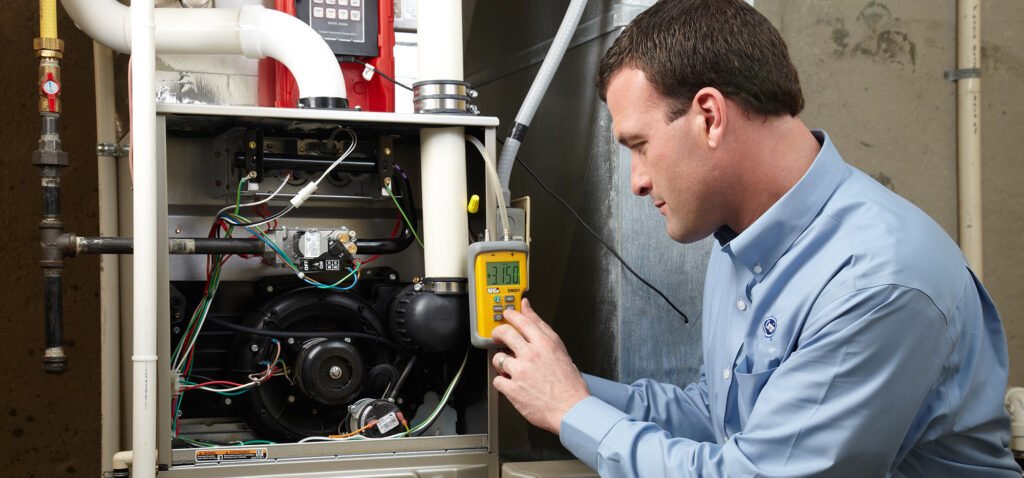
Ensuring that your furnace operates safely and efficiently requires preparation before contacting a repair service. A sudden breakdown during cold weather can be stressful and inconvenient, so taking the time to assess and prepare your system beforehand can save time, reduce costs, and improve the repair process. We will explore key steps homeowners should consider prior to scheduling a furnace repair, including system checks, documentation, and environmental precautions. Preparing in advance not only helps the repair technician address the issue more effectively but also ensures your home remains safe and comfortable throughout the process. Following a systematic checklist can prevent overlooked problems and support a smoother, faster resolution.
Preparing Your Home and Furnace for a Repair Call
- Inspect the Furnace for Visible Issues
Before contacting a repair service in Stockbridge, GA, take a close look at your furnace for any signs of trouble. Check for unusual noises, strange odors, or visible leaks around the unit. Make note of any flickering or inconsistent pilot lights, unusual sounds from the blower or motor, and any soot or discoloration near vents or the burner area. Documenting these observations will provide the technician with valuable insights, potentially reducing diagnostic time. Also, ensure the surrounding area is free of clutter, flammable materials, and obstructions to ensure safe, easy access for repair personnel. By performing this initial inspection, you can give the technician a clear starting point and potentially identify minor issues that may not require immediate professional intervention.
- Review Furnace Documentation
Gather all manuals, warranty information, and maintenance records related to your furnace. Understanding the model, age, and previous repair history helps the technician quickly assess potential causes of failure. Warranty details are crucial for determining coverage for parts or labor, which can help you avoid unexpected costs. Maintenance logs can highlight recurring issues and indicate whether routine cleaning or filter replacement has been performed regularly. Having this documentation readily available ensures the repair service can operate efficiently and provides a historical perspective that may be essential for accurate diagnostics. Properly organizing this information demonstrates preparedness and can expedite the repair process.
- Check the Thermostat and Power Supply
Sometimes, the problem lies outside the furnace itself. Verify that your thermostat is set correctly, batteries are functioning, and the unit is in heating mode. Ensure that circuit breakers are on and fuses are intact, as electrical supply issues can mimic furnace malfunctions. Inspect wiring for visible damage or loose connections if safe to do so. Taking these steps eliminates minor causes and ensures that the technician can focus on genuine mechanical or operational problems. Confirming proper thermostat settings and a stable power supply can save time during the service call and may even resolve simple issues without requiring extensive repairs.
- Replace or Inspect Filters
Dirty or clogged filters are a common cause of furnace inefficiency and breakdown. Check your air filters and replace them if necessary. Clean filters allow the system to operate more smoothly and prevent additional strain on internal components. This simple step can improve airflow, reduce energy consumption, and minimize wear on the blower motor and other parts. Noting the filter condition also gives the technician insight into routine maintenance habits and can help determine whether performance issues are due to neglect or mechanical faults. A clean, well-maintained filter improves both safety and the effectiveness of the repair.
- Note Environmental Conditions
Record any environmental factors that might affect furnace performance. Extreme temperatures, humidity levels, or recent weather events can influence system efficiency and may be relevant to diagnosing issues. Identify rooms that are unusually cold or drafty, and any vents that appear blocked or damaged. Documenting these observations gives the technician a clear picture of how the system operates under typical conditions, helping them address issues comprehensively. Awareness of environmental factors also helps prevent future problems by highlighting areas that may need attention, including insulation, ventilation, or ductwork, alongside furnace repair.
- Ensure Safe Access for Technicians
Clear a path to the furnace and remove any obstructions in the surrounding area. Adequate space allows technicians to safely maneuver, inspect components, and perform repairs without delays or hazards. This step is especially important in basements, utility closets, or tight spaces where equipment is often installed. Providing easy access demonstrates consideration for safety and efficiency, ensuring the technician can complete their work without interruption. Preparing your space in advance also reduces the risk of accidental damage to household items and helps maintain a smoother workflow throughout the repair process.
- Prepare Questions and Concerns
Make a list of questions or concerns to discuss with the technician. These might include unusual noises, fluctuating temperatures, energy bills, or recurring problems. Clear communication helps the technician understand your expectations and provides a chance to address potential issues proactively. Being prepared with specific observations allows for more accurate diagnostics and enables the technician to suggest preventive measures that may extend your furnace’s life. Writing down your concerns ensures nothing is forgotten during the visit and helps you make informed decisions about necessary repairs or adjustments.
Preparing thoroughly before scheduling a furnace repair call ensures a safer, faster, and more effective service experience. By inspecting the unit, reviewing documentation, checking filters and power supply, and addressing environmental and accessibility concerns, homeowners can provide technicians with all the necessary information to diagnose and repair issues efficiently. Clear communication about observations, questions, and cost expectations further supports a smooth service call. Taking these steps ahead of time reduces the likelihood of overlooked problems, protects the home environment, and can help extend the furnace’s operational life. Proper preparation benefits both homeowners and technicians, resulting in a more reliable and comfortable heating system throughout the colder months.