

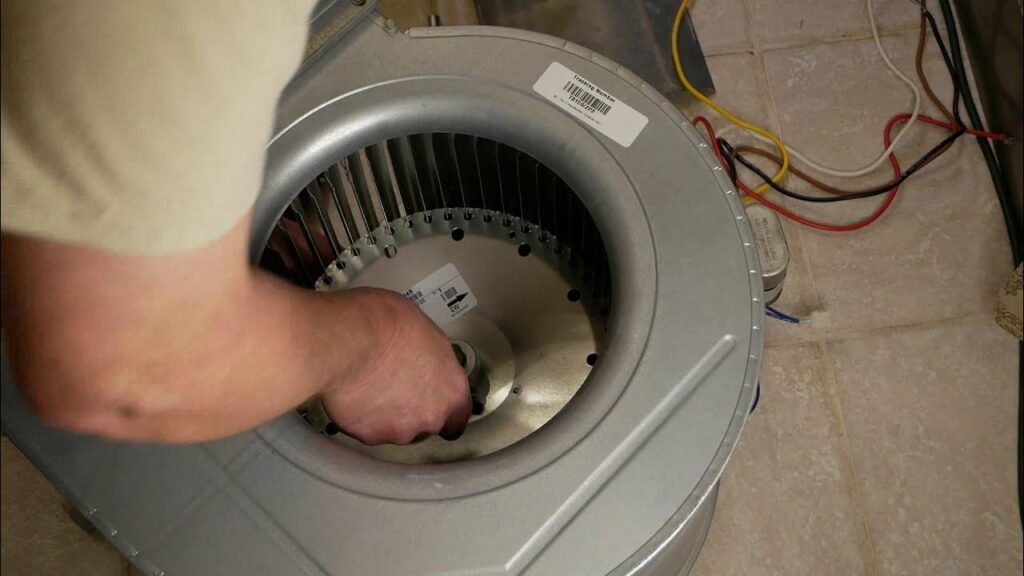
A furnace relies on coordinated mechanical and electrical components to deliver consistent heating, and the blower and motor assembly is among the most critical. These parts control how warm air moves from the heat exchanger through ductwork and into living spaces. When problems arise here, comfort, efficiency, and system longevity are all affected. Homeowners often notice uneven temperatures, unusual sounds, or higher energy bills without realizing the blower or motor is the source. We will explore how these components function together, why failures occur, and what symptoms indicate deeper issues. By understanding the mechanics behind blower and motor operation, property owners can make informed decisions about maintenance, timely repairs, and long-term system planning without relying on guesswork or temporary fixes.
Key Causes and Indicators of Furnace Blower and Motor Issues
- Mechanical Wear and Airflow Resistance
The furnace blower motor operates continuously during heating cycles, pushing air across the heat exchanger and throughout the building. Over time, bearings, belts, and fan blades experience mechanical wear that reduces smooth rotation. Dust accumulation on the blower wheel can throw off balance, causing vibration and noise that strain the motor. Restricted airflow from clogged filters or blocked ducts further compounds the issue by forcing the motor to work harder than intended. This resistance increases amperage draw, elevates internal temperatures, and accelerates component fatigue.
Homeowners in Charlotte, NC may notice rattling sounds, weak airflow from vents, or delayed startup as early indicators. Ignoring these signs allows minor friction-related problems to escalate into motor overheating or failure. Addressing airflow resistance through regular filter changes and duct inspections reduces unnecessary stress on the blower assembly and preserves consistent heating performance over time.
- Electrical and Control-Related Failures
Beyond mechanical stress, furnace blower motors depend on precise electrical input and control signals to operate correctly. Faulty capacitors, worn relays, or damaged wiring can interrupt voltage delivery, leading to intermittent operation or complete shutdown. Modern furnaces often use variable-speed motors and control boards to adjust airflow in response to heating demand. When sensors misread conditions or boards age or are damaged by power surges, the motor may cycle erratically or run continuously. These electrical inconsistencies often present as sudden starts and stops, humming without rotation, or failure to engage when the thermostat calls for heat.
Electrical faults are particularly disruptive because they can mimic mechanical failure while requiring a different diagnostic approach. Understanding the distinction between power delivery issues and physical wear helps narrow troubleshooting efforts and prevents unnecessary replacement of intact components.
- Overheating, Lubrication Loss, and Environmental Factors
Heat management is central to motor longevity. Furnace blower motors generate heat naturally, but proper ventilation and lubrication keep temperatures within safe limits. When lubrication dries out or internal vents become obstructed by dust, heat dissipates less efficiently. Elevated operating temperatures degrade insulation on windings and reduce motor lifespan. Environmental factors such as high humidity, basements with airborne debris, or proximity to chemical storage can also accelerate corrosion and insulation breakdown.
Overheating often triggers safety shutdowns that leave the furnace running without distributing warm air, creating the illusion of heating failure. Repeated thermal stress shortens component life and increases the likelihood of sudden motor burnout. Recognizing environmental factors and maintaining a clean, well-ventilated furnace area help ensure stable motor temperatures and consistent airflow throughout the heating season.
- Maintenance Gaps and Long-Term System Impact
In many cases, blower and motor problems stem from deferred maintenance rather than isolated defects. Lack of periodic inspection allows minor imbalances, electrical irregularities, or airflow restrictions to persist unnoticed. Over time, these small inefficiencies accumulate, reducing overall furnace efficiency and increasing energy consumption. A failing blower motor also affects other system components by disrupting heat exchanger temperatures and altering pressure balance in the ductwork. This interconnected stress can lead to secondary failures that extend beyond the motor itself. Establishing a structured maintenance routine helps identify early warning signs and aligns repair decisions with the system’s actual condition. Consistent evaluation converts uncertainty into actionable information, enabling homeowners to plan repairs that reflect the system’s true needs rather than reacting to breakdowns.
Furnace blower and motor problems rarely occur in isolation; they develop through a combination of mechanical wear, electrical irregularities, environmental conditions, and maintenance gaps. Understanding how these factors interact provides clarity when symptoms appear, whether through unusual noise, airflow changes, or inconsistent heating. By recognizing early indicators and understanding the demands placed on blower motors, homeowners can make informed decisions rather than resort to temporary fixes. Consistent airflow, stable electrical control, and proper heat management all contribute to dependable furnace operation. A clear grasp of these fundamentals supports long-term system reliability, balanced comfort, and controlled operating costs, reinforcing the value of addressing blower and motor concerns with thoughtful evaluation and timely action.