

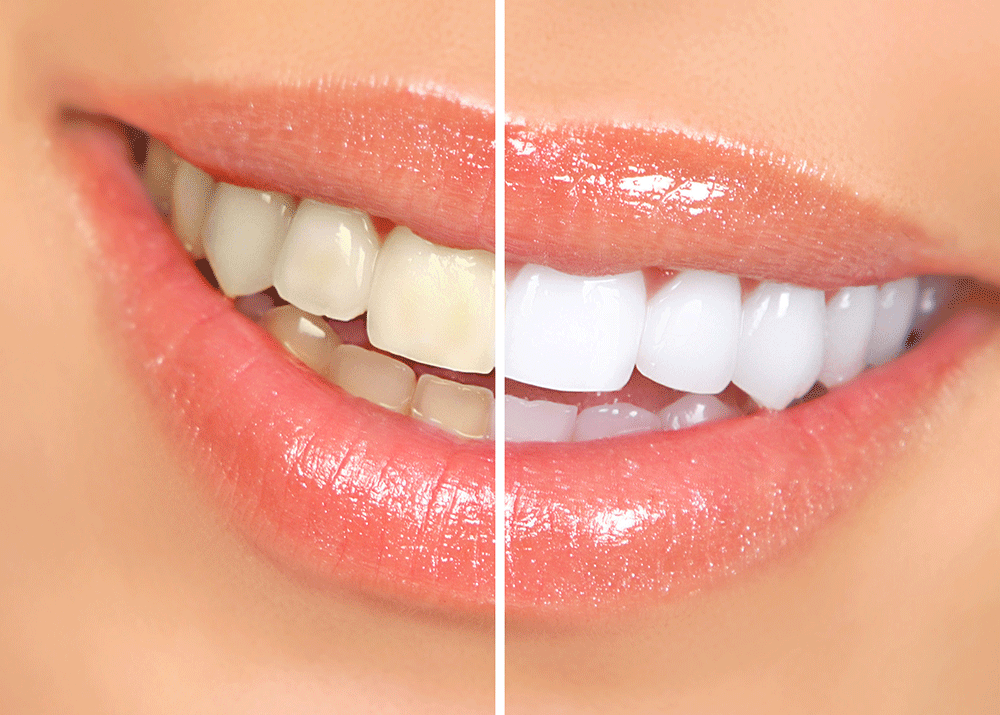
A bright smile changes how you feel about yourself. Stained teeth can cause shame, quiet your laughter, and hold you back. You deserve clear facts and safe choices. This guide explains common teeth whitening options and what actually works best. You will see what you can do at home, what happens in a dental office, and when to avoid a product. You will also learn how long results last and what risks to watch for, including pain and sensitivity. Every mouth is different. The right choice depends on your teeth, your gums, and your budget. This guide uses plain language so you can ask better questions and protect your health. For more support and trusted details, you can also visit suncreekdental.com. Your smile is not a luxury. It is part of your daily life. You deserve care that respects your time, your money, and your comfort.
Table of Contents
Why Teeth Change Color
Your teeth pick up stains from daily life. Some causes are under your control. Others are not.
- Coffee, tea, red wine, and soda
- Smoking or other tobacco use
- Natural aging as enamel thins
- Past trauma to a tooth
- Certain medicines for children and adults
Surface stains sit on the outside of the tooth. Deeper stains sit under the enamel. Surface stains respond well to whitening. Deep stains need more care and sometimes other treatment.
Main Teeth Whitening Options
You have three common paths for whitening.
- Whitening toothpaste and mouth rinse
- At home products
- In office whitening with a dentist
Each choice has different strength, cost, and risk. You can mix some methods, but you should always speak with a dentist first.
Whitening Toothpaste And Rinse
Whitening toothpaste uses gentle polish or low strength peroxide. It helps remove surface stains. It does not change the natural shade of your teeth.
Use whitening toothpaste if you want small change and stain control. Brush two times a day with a soft brush. Follow the directions on the label.
Whitening rinses offer mild stain removal. They are simple to use. Yet they sit in your mouth for a short time. So the whitening effect stays low.
You can read more about safe brushing habits from the American Dental Association.
At Home Whitening Products
At home products use stronger peroxide. They reach below the surface of the tooth. Common types include strips, paint on gels, and trays.
- Whitening strips. Thin strips with gel you place on your teeth for a set time.
- Paint on gels or pens. Gel brushed on each tooth.
- Boil and bite or pre made trays. Trays filled with gel and worn for set times.
At home kits cost less than in office care. They can lighten teeth by one to three shades. Results often show in a few days. Full change can take one to two weeks.
Risks include gum irritation and tooth sensitivity. You lower the risk when you follow the package rules and avoid extra use.
In Office Whitening With A Dentist
In office whitening uses high strength peroxide. A dentist protects your gums, then places gel on your teeth. Sometimes a special light or laser supports the process.
This method gives fast change. Many people see a clear difference in one visit. The dentist can watch your response and stop if you feel pain.
In office whitening costs more. Yet it gives stronger and more even results. It also fits people with crowns, fillings, or complex stains more safely.
The U.S. Food and Drug Administration explains how peroxide products work and why dentist guidance matters.
Comparison Of Common Whitening Options
| Method | Where You Use It | Typical Shade Change | Time To See Results | Cost Range | Main Risks |
|---|---|---|---|---|---|
| Whitening toothpaste / rinse | Home | Very small | Several weeks | Low | Enamel wear if you scrub too hard |
| Over the counter strips | Home | Small to moderate | Few days to 2 weeks | Low to medium | Gum irritation and sensitivity |
| Over the counter trays or gels | Home | Small to moderate | About 1 to 2 weeks | Low to medium | Uneven whitening and sensitivity |
| Dentist made take home trays | Home with dentist plan | Moderate | About 1 to 2 weeks | Medium to high | Sensitivity that the dentist can manage |
| In office whitening | Dental office | Strong | Same day | High | Short term strong sensitivity |
What Works Best For You
The best choice depends on three things.
- Your stain type and starting shade
- Your budget and time
- Your teeth and gum health
Mild coffee stains with healthy gums often respond well to strips or dentist made trays. Deep gray or brown stains from trauma or medicine may not respond well to whitening. You may need bonding, veneers, or crowns instead.
Children and teens need extra care. Their teeth and gums react faster. You should always ask a dentist before any whitening for a child.
When Whitening Is Not A Good Idea
Sometimes whitening harms more than it helps. You should wait or avoid it if you have any of these issues.
- Untreated cavities
- Gum disease
- Cracked or broken teeth
- Allergy to peroxide
- Pregnancy or nursing, unless your doctor and dentist agree
Fillings, crowns, and veneers do not whiten. If you whiten natural teeth, these parts may stand out. A dentist can plan around this.
How To Keep Your Smile White Longer
Whitening is not forever. You can slow new stains with simple daily steps.
- Brush two times a day and clean between teeth once a day
- Limit coffee, tea, red wine, and dark soda
- Rinse with water after stain causing drinks
- Stop smoking and all tobacco use
- See a dentist for regular cleanings and checks
Routine care is more effective after whitening. Clean teeth hold color longer and respond better to future touch ups.
Next Steps
Whitening choices can feel confusing. You do not need to guess. Start with a dental exam and a clear talk about your goals. Bring your worries about pain, cost, and time. Ask what shade change is realistic for your teeth.
With the right plan, you can reach a smile that feels natural and strong. You protect your mouth and your confidence at the same time.