

She sat at her grandmother’s kitchen table, looking through a stack of old photographs while her aunt explained, gently, that the ceremony their family would hold might not look exactly like the one they’d attended for a neighbor a few years back. Both families practiced the same faith, yet the details being described sounded different enough to leave her with more questions than she expected.
Navigating these differences during an already difficult time can add another layer of uncertainty. A person planning a service might feel unsure about which rituals apply to their family’s practice, worried about getting a detail wrong or unintentionally leaving something important out. It’s a reasonable thing to feel overwhelmed by, especially while also managing grief and the many other decisions that come with arranging a service.
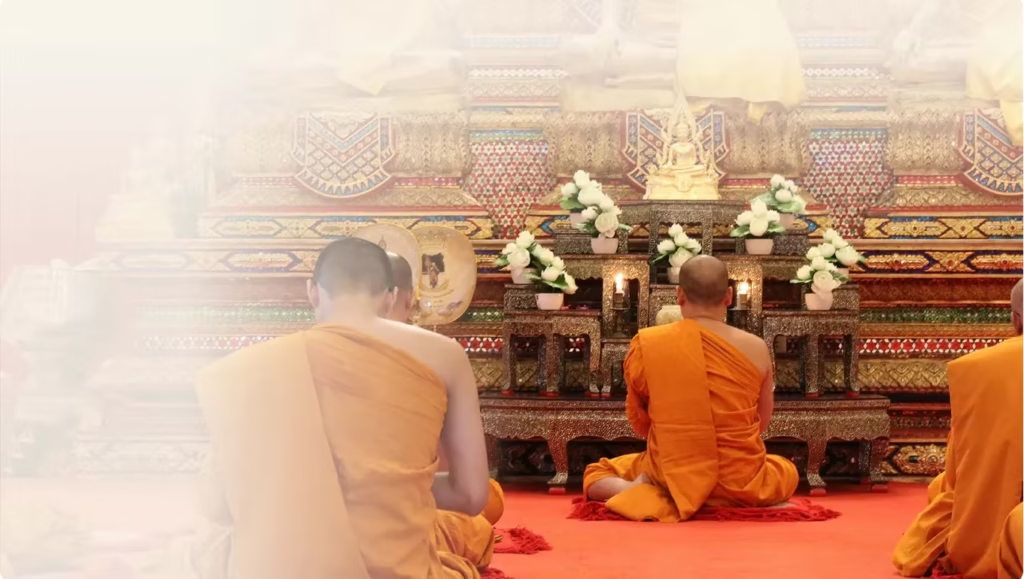
Getting clarity usually starts with a conversation with someone familiar with the specific tradition involved. Speaking with a temple representative or a provider experienced in Buddhist funeral services can help a family understand which customs apply to their particular tradition or school of practice, rather than relying on assumptions based on a different family’s experience.
Table of Contents
Why Practices Vary So Much Within One Faith
Most people outside a particular tradition assume a shared faith means a single, consistent set of customs. In practice, regional history, lineage, and local customs can shape ceremonies in very different ways.
Regional Customs Passed Down Through Generations
A family with roots in one region might follow chanting practices, offerings, or timing that differ noticeably from a family whose traditions trace back to a different area, even within the same broader faith. These differences often developed over generations and reflect local history as well as religious beliefs.
Variations Between Schools or Lineages
Certain lineages emphasize specific rituals, prayers, or the involvement of particular monastics that another lineage may handle differently or may not include at all. A person attending a service outside their own family’s usual practice might notice unfamiliar elements simply because the two families follow different schools of the same tradition.
Adaptations Made Across Generations Living Abroad
Families who have lived away from their region of origin for several generations sometimes adapt certain practices to fit their current circumstances, blending traditional elements with practical adjustments. A grandchild helping plan a service might notice their family’s version includes changes that an older relative remembers being different decades ago.
Understanding the Emotional Weight Behind Each Custom
Alongside the practical differences, it helps to understand why specific rituals carry meaning, since this awareness can help families make choices that feel right for their situation.
Recognizing What Each Ritual Represents
A person unfamiliar with certain customs might ask a temple representative to explain the purpose behind a specific ritual, like chanting at particular intervals or the significance of certain offerings, rather than following the sequence without understanding it. Taking time to understand what a specific practice represents, rather than simply following instructions, often helps a grieving family feel more connected to the ceremony. This kind of understanding tends to develop through open conversation with someone knowledgeable, rather than trying to learn everything at once during a stressful time.
Practical Adjustments for Planning With Confidence
Small, realistic steps can make coordinating a ceremony feel more manageable, especially when a family is navigating unfamiliar or different customs from what they expected.
Asking Direct Questions Early in the Planning Process
Reaching out to a temple or service provider with specific questions well before the ceremony date, rather than assuming details will simply fall into place, helps avoid last minute confusion. A family member coordinating the service might prepare a short list of questions about timing, expected attire, or specific rituals, and bring the list to an early planning conversation.
Involving Extended Family in Clarifying Expectations
Checking in with older relatives who are more familiar with the family’s specific traditions can help clarify which customs matter most to include. Someone organizing the service might set aside time for a phone call with an aunt or uncle specifically to ask about family practices before finalizing plans with the provider.
Moving Forward With Confidence
Differences between traditions within the same faith are common and reflect the rich variety that develops across regions, lineages, and generations, rather than meaning there is an inconsistency in the faith itself. Understanding this variety helps reduce some of the uncertainty involved in planning a meaningful service.
For any family navigating these decisions, working closely with someone experienced in the specific customs involved is a reasonable way to plan a ceremony that feels both respectful and true to their family’s tradition.