

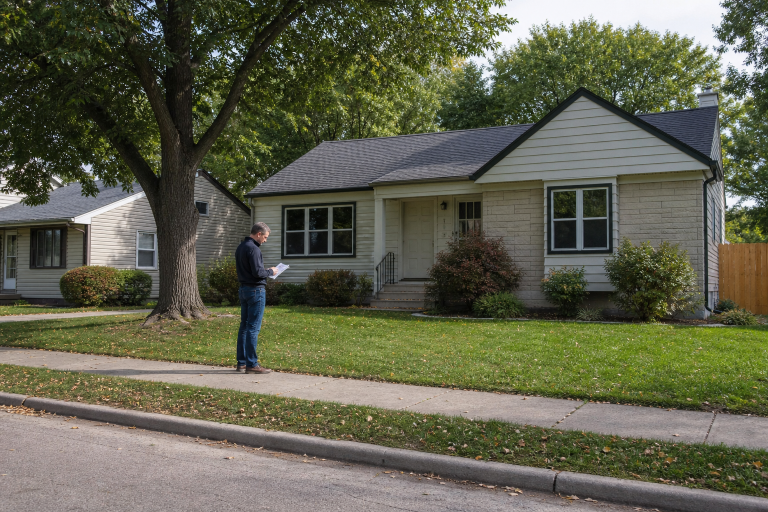
Selling a house quickly usually means balancing four priorities: time, sale price, convenience, and certainty. Whether you are relocating, handling an inherited home, dealing with expensive repairs, or simply ready to move on, the best option depends on your deadline and the property’s condition. Homeowners exploring local direct-sale options may start by looking at companies that say we buy houses in Kernersville NC, but it is still important to compare every offer carefully.
A fast sale does not always mean the same thing. You may want an offer within days, a buyer under contract within a few weeks, or a completed closing as soon as possible. Traditional listings, owner-led sales, auctions, and cash transactions can all move at different speeds, with different costs and trade-offs.
Table of Contents
Why Speed Matters When Selling A House
Homeowners may need a shorter timeline because of a job transfer, divorce, inheritance, financial strain, tenant issues, vacancy, or a home that needs more work than they can afford. Delays can add mortgage payments, taxes, insurance, utility bills, lawn care, and maintenance costs. Before choosing a path, define your actual deadline and decide how much preparation you can reasonably complete.
The Main Ways To Sell A House Quickly
Traditional Agent Listing
An agent listing gives the property broad exposure through marketing, buyer networks, and showings. It may bring the strongest price when the home is clean, properly priced, and in a desirable area. However, sellers should plan for photographs, repairs, staging, inspections, negotiations, and a buyer’s mortgage process.
For-Sale-By-Owner Sale
Selling without an agent can give an owner more control over communication and marketing costs. It also places responsibility for pricing, scheduling showings, screening buyers, negotiating, and managing paperwork on the seller. A real estate attorney or experienced closing professional can help review the purchase agreement and required disclosures.
Cash Or Direct Sale
A direct cash sale can reduce showings, repair demands, and financing delays. Many buyers will purchase a home as-is, which may be useful for properties with deferred maintenance. The trade-off is that the offer may be lower than the best possible open-market price, so compare projected net proceeds rather than focusing only on the headline number.
Real Estate Auction
An auction can create a firm selling deadline and may suit unusual, vacant, distressed, or difficult-to-price homes. Still, sellers should understand reserve-price rules, marketing charges, buyer fees, and the possibility that bidding may not reach the hoped-for amount.
Should You Repair The Home Before Selling?
Focus on repairs that protect the property, reduce buyer concern, or prevent a deal from falling apart. Address active leaks, safety hazards, broken doors or windows, major plumbing or electrical issues, clutter, and strong odors. Simple curb appeal work, such as mowing, trimming, and cleaning, can also improve first impressions.
Be cautious about expensive remodels chosen for personal taste. A kitchen overhaul, luxury flooring, or major addition may not return its full cost, especially when time matters. Use a practical rule: estimate the likely price improvement, then subtract labor, materials, permits, holding costs, and the cost of waiting to sell.
How To Set A Price That Attracts Buyers
Pricing affects both speed and leverage. Review recent sales of similar nearby homes, then compare condition, square footage, lot size, age, location, and major features. Also study active competing listings because those homes are competing for today’s buyers.
- Adjust for repairs a buyer will need to complete.
- Leave reasonable room for negotiation without starting unrealistically high.
- Reassess quickly if there are few showings or no credible offers.
- Remember that an overpriced listing can sit longer and require later price reductions.
What Sellers Should Know About Cash Offers
A cash offer generally means the buyer is not relying on a conventional mortgage approval to fund the purchase. That can reduce appraisal and lending delays, but it does not eliminate the need for title work, a written contract, and a clear closing process. Ask for a written breakdown showing the price, fees, credits, closing date, and estimated amount you will receive.
Questions To Ask Before Accepting
- Who is the actual buyer, and can they verify available funds?
- Is the buyer using personal funds, private financing, or an assignable contract?
- Can the offer change after an inspection or walkthrough?
- Who chooses the title company or closing attorney?
- Are there cancellation penalties, service charges, or repair deductions?
- What remedy applies if the buyer does not close on time?
Paperwork To Gather Before Selling
Organizing documents early can prevent last-minute delays. Gather mortgage payoff information, the deed, tax records, insurance details, surveys, inspection reports, repair receipts, renovation permits, and homeowners association records. If the home is rented, collect lease agreements and deposits. Probate, trust, divorce, lien, or co-ownership documents may also be necessary when another party has rights to the property.
How To Avoid Scams And Risky Agreements
Pressure is a warning sign, not a reason to rush. Do not sign unclear documents, transfer a deed before terms are reviewed, pay unexplained upfront fees, or stop making mortgage payments because someone promises a future sale. The warning signs of foreclosure relief scams include demands for quick action, requests to sign over title, and instructions to send payments somewhere other than your lender.
Verify the buyer’s identity and business information, use an independent title company or attorney, and confirm wire instructions by calling a trusted number. Homeowners facing mortgage trouble should contact their lender directly rather than relying on people who make unrealistic rescue promises. The Federal Trade Commission explains that upfront mortgage-relief fees and deed-transfer schemes can put both the home and the owner’s equity at risk.
How To Keep The Closing On Schedule
- Choose a reputable closing attorney or title company.
- Provide identification and ownership documents early.
- Resolve liens, tax balances, judgments, probate issues, and payoff questions promptly.
- Put the closing date and possession terms in writing.
- Confirm inspection, appraisal, walkthrough, and moving requirements.
- Review the settlement statement before signing.
A Simple Decision Guide For Sellers
- Highest possible price: Consider a well-priced traditional listing.
- Major repairs needed: Compare repair costs with credible as-is offers.
- Deadline within weeks: Consider direct cash buyers or an auction, while reviewing terms carefully.
- Tenant-occupied property: Review lease obligations and applicable notice rules.
- Foreclosure concern: Speak with the lender and a qualified housing counselor before signing anything.
- Multiple owners: Confirm that every required party can approve the sale.
Common Questions About Selling Quickly
Can A House Be Sold In A Few Weeks?
It can be possible when the buyer is ready and title issues are limited. However, paperwork, inspections, payoff statements, and closing logistics can still affect the timeline.
Is It Better To Repair Or Sell As-Is?
It depends on the repair cost, buyer demand, your budget, and your deadline. Fix issues that create safety concerns or block financing, but avoid projects that will not clearly improve your net proceeds.
Do Cash Buyers Pay Full Market Value?
Not always. Cash buyers may account for repairs, resale risk, and holding costs. Compare the final amount you will receive, along with the time saved and the certainty offered.
What Costs Should Sellers Expect?
Possible expenses include mortgage payoff amounts, commissions, attorney or title charges, taxes, repair credits, recording fees, moving costs, and any agreed buyer concessions.
Conclusion
Selling a house quickly is a decision about more than speed. A clear plan helps you weigh preparation, price, convenience, and risk before accepting an offer. Compare your options, review every agreement carefully, and choose the path that fits your timeline and financial goals.