

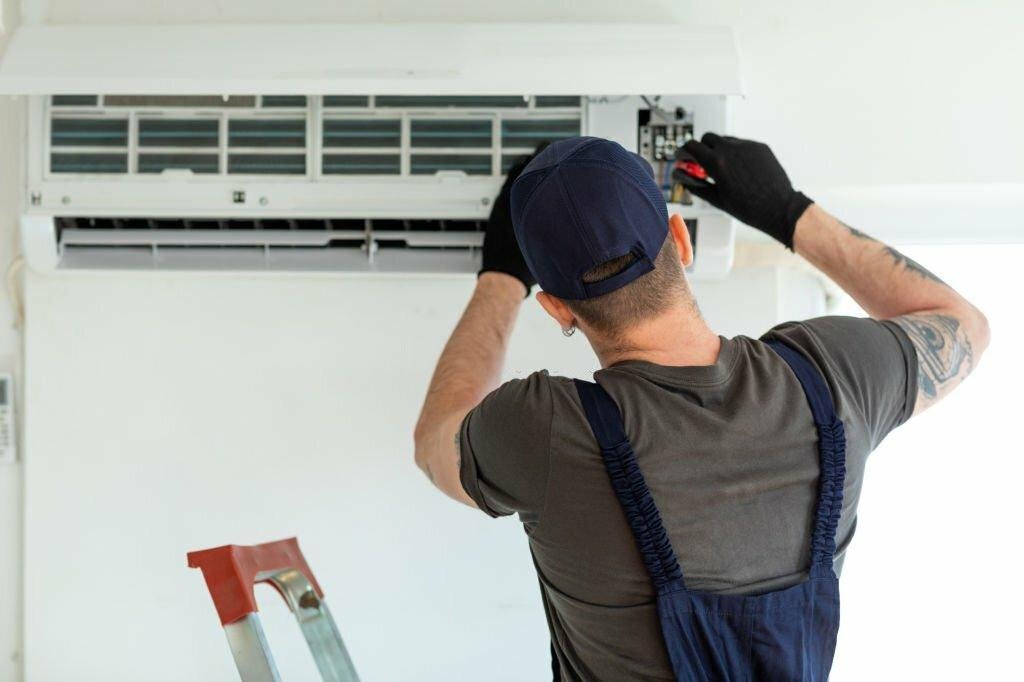
A sudden thermostat failure can make an air conditioning system seem completely unresponsive, even when the rest of the equipment can still cool the home. Rooms begin warming up, airflow may stop, and homeowners are often left wondering whether the thermostat is the only issue or whether the air conditioner itself has also been affected. Air conditioning repair matters because the thermostat is the control point that tells the system when to start, when to stop, and how long to run. Restoring cooling requires more than just replacing a wall screen. It requires checking how the whole system responds.
Cooling Recovery Steps
- Finding Out Whether the Thermostat Is the Only Failure
Air conditioning repair helps restore cooling after a sudden thermostat failure by confirming that the thermostat is indeed the only part that stopped working. A blank display, no response to temperature changes, or a system that suddenly stops turning on can point to the thermostat. Still, those symptoms may also connect to blown fuses, tripped breakers, loose low-voltage wiring, control board problems, or interrupted power at the indoor unit. A repair technician can test the communication between the wall control and the air conditioner instead of assuming the thermostat alone is to blame. That matters because homeowners may replace batteries or reset the device without realizing the real issue is deeper in the system. The thermostat may appear dead simply because it is no longer receiving proper power or because another electrical fault has interrupted the control circuit. By confirming where the failure begins, repair work can proceed in the right direction and help restore cooling faster, with fewer repeated shutdowns.
- Checking Wiring, Signals, and System Response
When thermostat trouble is suspected, air conditioning repair involves checking whether the system is still receiving the correct cooling signal. The thermostat does more than show temperature on a screen. It sends low-voltage instructions to the blower, condenser, and other components, telling them when to operate. If those signals are interrupted by loose connections, damaged wiring, worn terminals, or an internal thermostat failure, the system may remain idle while the home continues to heat up. A technician can test the signal path from the thermostat to the air handler and outdoor unit, ensuring each command reaches the correct part of the system. In places like West Palm Beach, where indoor comfort can drop quickly after an AC interruption, this step helps determine whether cooling can be restored by repairing the control path instead of waiting for a complete equipment failure. Signal testing is especially useful when the air conditioner worked normally one day and then stopped without warning, because sudden failures often come from communication loss rather than from gradual wear alone.
- Restoring Cooling Without Overlooking Existing AC Problems
A failed thermostat can also reveal other cooling problems that were already developing in the system. In some homes, the thermostat may stop working at the same time the air conditioner begins to struggle with weak airflow, dirty coils, low refrigerant, or electrical issues. When the thermostat is repaired or replaced, the home may still feel uncomfortable if the underlying AC system is not inspected at the same time. Air conditioning repair helps restore cooling more completely by treating the thermostat failure as part of the system rather than as a separate event. A technician can check whether the blower starts properly, whether the outdoor unit engages, whether cool air reaches the vents, and whether the system cycles in a normal pattern after the control is restored. This matters because homeowners often focus only on the broken thermostat and expect every comfort issue to disappear once the display comes back on. If deeper problems persist, the system may briefly restart and then continue cooling poorly. Full repair helps prevent that partial recovery.
- Preventing Short Cycling and Poor Temperature Control
After sudden thermostat failure, an air conditioning system can behave unpredictably even once power returns. It may turn on and off too quickly, fail to reach the set temperature, run the fan without cooling, or cool some rooms while leaving others warm. Air conditioning repair helps correct these issues by properly calibrating the thermostat and ensuring the system responds to indoor temperatures as it should. A technician may check thermostat placement, control settings, fan operation, cycle timing, and any programming features that affect the air conditioner’s response. This is important because a thermostat that is installed near direct sunlight, a supply vent, or a heat-producing appliance may misread indoor conditions and shut the system off too early. Even a new thermostat can create poor comfort if it is not matched and adjusted correctly. Repair service helps restore the air conditioner to steadier cycles so it can cool the home normally, rather than starting, stopping, and leaving the household guessing about what went wrong.
- Protecting the System From Added Electrical Strain
Thermostat failure can sometimes be linked to electrical strain within the cooling system, which is one reason repair service matters so much after a sudden loss of control. If the air conditioner has weak contactors, stressed capacitors, power interruptions, or damaged low-voltage wiring, those problems can affect both the thermostat and the equipment it controls. Repeated reset attempts, breaker cycling, or improvised wiring changes can place even more pressure on already vulnerable parts. Air conditioning repair helps protect the system by determining whether the thermostat failed on its own or electrical issues contributed to the shutdown. A technician can inspect connections, test voltage, check transformer performance, and confirm that the thermostat and air conditioner are operating on a stable control circuit. This protects the compressor, blower motor, and control board from future strain. It also reduces the risk that the cooling system will fail again soon after the thermostat issue appears to be fixed, leaving the home without dependable cooling a second time.
Air conditioning repair helps restore cooling after a sudden thermostat failure by checking the entire control path, testing electrical signals, confirming equipment response, and identifying any underlying AC issues that may have been hidden behind the thermostat problem. A thermostat may be the first part that seems to fail, but the loss of cooling often involves more than the wall control alone. Repair service helps homeowners regain steady airflow, proper temperature response, and more dependable system operation. By looking at the entire cooling setup rather than just the wall display, technicians can restore comfort more effectively and reduce the risk of recurring breakdowns.