

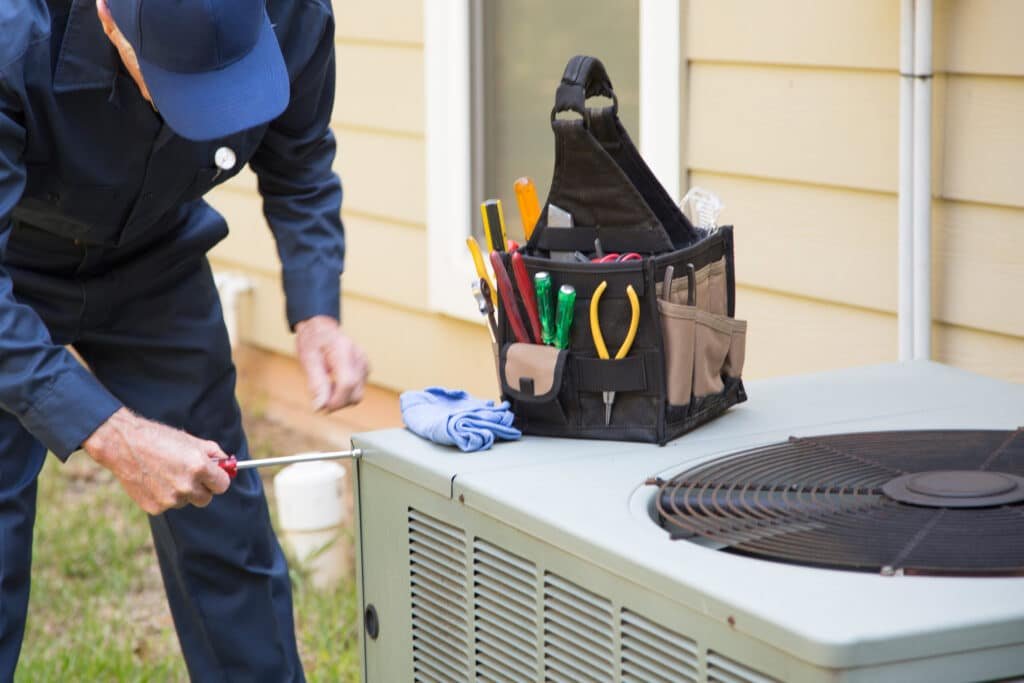
A home should feel reasonably balanced when the heating system is running, yet many homeowners notice that one room gets comfortable quickly while another stays chilly far longer. This can be frustrating in bedrooms, offices, upstairs spaces, and rooms at the far end of the house. Uneven heating is not always caused by outdoor weather alone. It often points to airflow problems, duct issues, insulation weakness, thermostat limitations, or heating equipment that is no longer distributing warmth evenly. A heating contractor matters because finding the true cause early can make the home more comfortable and the system easier to rely on.
Why Some Rooms Stay Colder
- Airflow Problems Often Cause Slow-Warming Rooms
One of the main reasons some rooms warm up more slowly than others is poor airflow. Heated air may be leaving the furnace properly, but that does not mean it is reaching every room with the same strength. A vent may be partially blocked, a return may be poorly placed, or one section of ductwork may not be moving enough air to keep up with the rest of the house. These conditions can leave certain spaces feeling cold long after the thermostat has already signaled that the home should be warm. A heating contractor helps by checking vent output, blower performance, return airflow, and the actual path air takes from the unit into each room. That matters because a room that warms slowly often shows the first visible sign of an imbalance affecting the whole system. Instead of repeatedly lowering or raising the thermostat, a contractor can focus on the path heated air takes and identify where comfort is being lost before it reaches the colder space.
- Duct Design and Hidden Leaks Can Reduce Warmth
A room may stay colder not because the furnace is too weak, but because the duct system is losing heat before the air ever reaches that part of the house. Leaky ducts, disconnected joints, long runs through unconditioned spaces, or poorly sized duct branches can all make a room warm up slowly. In some homes, the room that struggles most is at the end of the duct run, above a garage, or on an upper floor where heat delivery depends on a more difficult path. A Heating contractor can inspect the duct layout, look for hidden leaks, and determine whether the problem stems from the system design rather than the room itself. This matters because many homeowners assume the solution is simply to run the heat longer. Yet if warm air is escaping into an attic, crawl space, or wall cavity, the system may work harder without solving the comfort problem. Careful duct evaluation can reveal why some rooms always seem behind the rest of the house and why the heating cycle feels longer than it should.
- Insulation and Drafts Can Make One Room Lose Heat Faster
Sometimes the heating system is performing normally, but one room loses heat faster than the others. This often happens in spaces with older windows, weak attic insulation, outside wall exposure, or small air leaks around trim, outlets, or doors. A room may receive the same amount of heated air as the rest of the house, but it cannot hold that warmth long enough to feel comfortable. A heating contractor matters in this situation because comfort is not only about producing heat. It is also about keeping that heat where it belongs. During an inspection, the contractor can compare room temperatures, ask where drafts are most noticeable, and determine whether the slow-warming room is actually a fast-heat-loss room. This distinction matters because it changes the solution. Without that understanding, homeowners may think the equipment needs replacement when the bigger issue is how the room interacts with the building envelope. A contractor can help connect heating performance to the room’s structure, making the next step much clearer.
- Thermostat Location Can Mislead the Whole System
The thermostat plays a large role in how evenly a home feels, yet it only measures the temperature at its location. If that spot warms up quickly, the system may shut off before slower rooms ever become comfortable. This can happen when the thermostat is in a warm hallway, near a sunny space, or close to a supply vent that reaches temperature faster than the rest of the house. A heating contractor helps by reviewing whether the thermostat is accurately representing how the home actually feels across different rooms. This is important because one cold bedroom or distant office can be left behind every day while the thermostat continues to believe the house has already reached the target setting. The result is a home that looks fine on the display but feels uneven in real life. Checking thermostat placement, calibration, and response can help explain why some rooms never catch up. In many homes, the comfort problem is not only in the furnace or the ducts, but also in how the system is told when to stop heating.
A Balanced Home Starts With the Right Diagnosis
A heating contractor matters when certain rooms warm up much more slowly than others because uneven comfort usually points to a problem that needs more than a thermostat adjustment. Airflow restrictions, leaking ducts, poor insulation, heat loss, thermostat issues, and declining equipment performance can all leave one room lagging behind the rest of the home. The right inspection helps determine whether the room is receiving too little heat, losing warmth too quickly, or being affected by the system’s control. Once the real cause is found, the whole home has a better chance of feeling balanced, steady, and more comfortable throughout the heating season.