

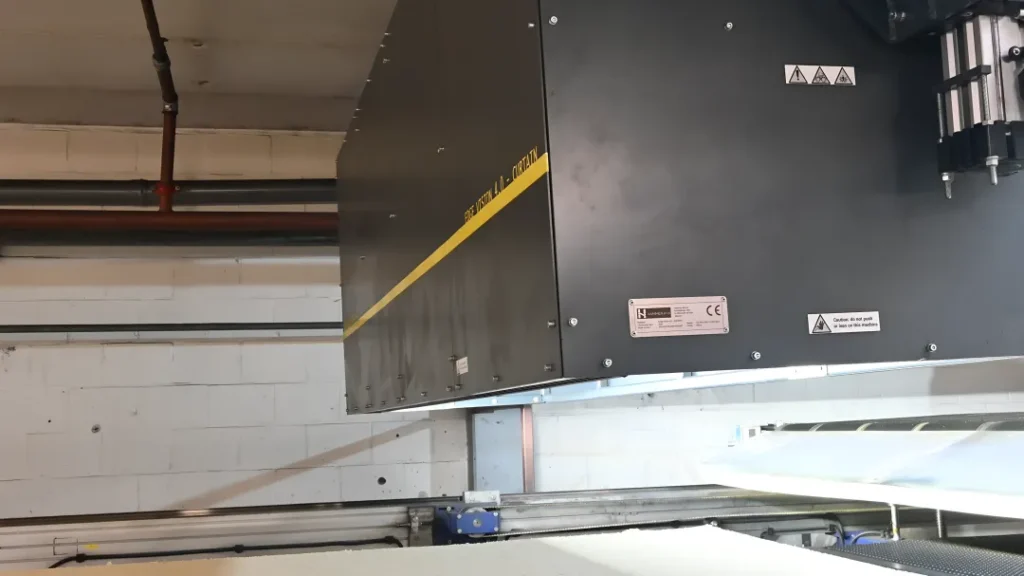
In the world of manufacturing, precision is paramount. Small discrepancies in product measurements can lead to defects, rework, or waste, which ultimately impacts both cost and customer satisfaction. Vision measurement systems manufacturers are at the forefront of helping manufacturers achieve high-precision measurements, enhancing product quality and operational efficiency. These systems provide the ability to automate inspections and measurements, offering significant benefits in terms of accuracy, consistency, and productivity.
This guide explores how vision measurement systems are transforming production lines and helping manufacturers optimize their processes for better quality control and improved efficiency.
Vision measurement systems manufacturers play a key role in providing tools that help manufacturers increase their competitiveness in the market.
Table of Contents
1. Enhancing Product Quality with Precision
One of the primary advantages of vision measurement systems is their ability to provide highly accurate measurements. These systems use advanced optical sensors and cameras to measure the dimensions of products with micrometer-level precision. By automating the measurement process, manufacturers can ensure that each product meets stringent quality standards, reducing the likelihood of defects and ensuring consistency across large production runs.
Unlike traditional manual measurement methods, vision measurement systems eliminate human error and provide objective, repeatable results. This leads to a significant reduction in product variability and ensures that each product adheres to design specifications.
How Vision Measurement Systems Improve Quality:
- High precision: Vision systems measure components down to micrometers, ensuring exact conformity to specifications.
- Error reduction: Automated measurements minimize the risk of human error, increasing the reliability of the process.
- Consistent results: Vision systems provide repeatable, consistent measurements for every part, reducing product variation.
2. Increasing Operational Efficiency
Incorporating vision measurement systems manufacturers into the production line can drastically increase operational efficiency. Traditional methods of measuring parts—such as manual inspection or mechanical gauges—are often time-consuming and require frequent calibration, which can slow down production.
Vision measurement systems, on the other hand, can quickly and accurately assess multiple dimensions of a product at once. This eliminates the need for multiple inspections and rework, allowing manufacturers to move products more quickly through the production process. The automation of measurement tasks also frees up operators to focus on higher-level tasks, improving overall workforce productivity.
Operational Efficiency Gains:
- Faster inspections: Vision systems perform measurements rapidly, reducing downtime and speeding up production cycles.
- Automation of tasks: Automating inspections allows manufacturers to reduce labor costs and human intervention, resulting in smoother production processes.
- Continuous monitoring: Vision systems can continuously monitor production quality, providing real-time feedback and reducing delays in detecting issues.
3. Reducing Waste and Defects
One of the most significant benefits of implementing vision measurement systems is the reduction in waste and defects. By ensuring that each product meets precise specifications before it moves forward in the production process, manufacturers can avoid costly errors, rework, and scrap. Defective products that pass undetected through manual inspections often lead to increased waste and customer dissatisfaction.
Vision measurement systems catch defects early in the production process, allowing manufacturers to correct issues immediately, reducing the risk of waste and improving product yields.
How Vision Measurement Systems Reduce Waste:
- Early detection of defects: Vision systems identify defects before products are packaged, preventing faulty products from reaching customers.
- Improved yields: By reducing errors and defects, vision measurement systems increase the number of high-quality products produced per batch.
- Less scrap: The ability to identify issues early means that manufacturers can make adjustments before products need to be discarded or reworked.
4. Streamlining Quality Control and Compliance
For manufacturers, compliance with industry standards and regulations is critical. Vision measurement systems help ensure that products consistently meet regulatory requirements and quality standards. These systems can automatically capture data for each measurement, creating detailed records that can be used for traceability and quality audits.
This automated data collection simplifies the process of meeting compliance standards, saving time and reducing the risk of non-compliance penalties. Additionally, these systems provide a more robust approach to quality control, making it easier to prove that products have been inspected and measured to the required standards.
Compliance and Quality Control Benefits:
- Automated record-keeping: Vision measurement systems generate detailed logs of inspections, making it easier to maintain accurate records for audits and compliance.
- Consistency with regulations: Vision systems ensure that products consistently meet both internal quality standards and external regulatory requirements.
- Easier traceability: With automated measurements, manufacturers can quickly trace the history of a product’s quality checks, providing transparency and accountability.
5. Cost Savings and Return on Investment
While the initial investment in vision measurement systems manufacturers may seem high, the long-term cost savings are significant. The automation of inspection and measurement processes reduces the need for manual labor, lowers error rates, and increases throughput—all of which translate into a higher return on investment (ROI).
Vision systems also provide a faster return on investment by improving product quality, reducing waste, and minimizing costly defects. As production efficiency increases, manufacturers can produce more goods in less time, leading to improved profitability.
Cost-Effective Benefits:
- Labor savings: Automation reduces the need for manual inspection, cutting down on labor costs.
- Higher ROI: The improved accuracy and efficiency lead to better product quality, reduced scrap, and lower rework costs, resulting in higher profitability.
- Long-term savings: With fewer defects and more efficient production, vision measurement systems save money in the long run.
Closing Perspective
In today’s competitive manufacturing landscape, precision and efficiency are key to success. Vision measurement systems manufacturers offer solutions that help businesses enhance product quality, streamline production, and increase operational efficiency. By automating the inspection process, manufacturers can reduce defects, waste, and costs while improving the consistency and reliability of their products.
Investing in vision measurement systems provides long-term benefits, including cost savings, improved product quality, and the ability to stay ahead of industry regulations. As manufacturing processes continue to evolve, these systems will play a crucial role in ensuring that manufacturers remain competitive in the global market.