

Kyphoplasty is a minimally invasive procedure designed to manage certain types of spinal fractures. It is often used to relieve pain and restore the height of a fractured vertebra. Understanding the process can make the experience easier to manage if you’re contemplating kyphoplasty or supporting someone who is. This article outlines what kyphoplasty is, who may benefit from it, and what typically occurs before, during, and after the procedure.
Table of Contents
What is Kyphoplasty?
Kyphoplasty is a procedure used to treat vertebral compression fractures, which can occur when a vertebra collapses. These fractures can result from conditions such as osteoporosis or certain types of cancer that weaken the bones. The goal of kyphoplasty is often to reduce discomfort and provide spinal stability.
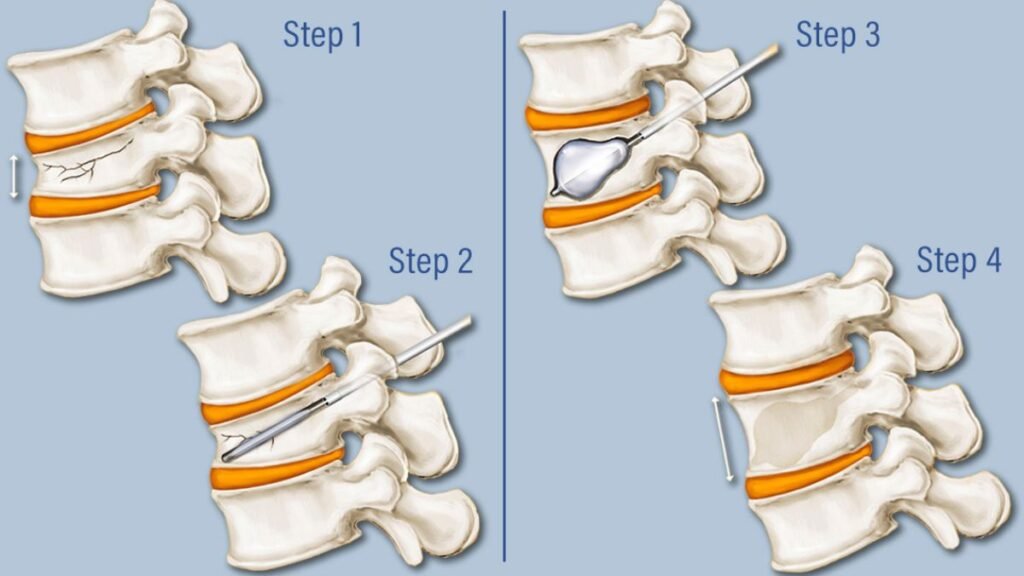
The process involves creating space in the fractured vertebra by inserting a small balloon that is gently inflated. This space is then filled with a medical-grade cement to stabilize the bone. By restoring some of the vertebra’s original height, kyphoplasty may also help improve alignment.
Who Is a Candidate for Kyphoplasty?
Individuals who recently experienced a vertebral compression fracture might be candidates for kyphoplasty. This procedure is typically performed when non-surgical treatments, like rest and physical therapy, have not provided sufficient relief. Timing can play a role, as the procedure is often most effective within eight weeks of the fracture. Healthcare professionals typically evaluate imaging such as X-rays, MRIs, or CT scans to determine if kyphoplasty is suitable. They also review medical history and assess overall health to decide if this treatment option is appropriate.
What Happens Before, During, and After the Procedure?
Before the Procedure
Before undergoing kyphoplasty, patients may need to complete diagnostic processes to confirm the type and location of the fracture. This may include imaging tests and a general health assessment. It’s also common to discuss any medications you’re currently taking to avoid complications. Fasting for a specified period before the procedure may be recommended, particularly if sedation or anesthesia is used. Following these instructions helps prepare the body for the process.
During the Procedure
The kyphoplasty procedure usually takes place in a hospital or outpatient surgical center. Depending on the situation, it is often performed under local anesthesia with sedation or general anesthesia. The patient typically lies face down during the procedure.
A small incision is made near the site of the fracture, and a hollow needle is guided into the vertebra. A small balloon is inserted and carefully inflated through this needle to create a cavity within the bone. Once the balloon is removed, medical-grade cement fills the space and stabilizes the bone. The entire process generally takes less than an hour for each affected vertebra.
After the Procedure
Patients are normally observed briefly following the procedure to monitor recovery. Many individuals can walk soon afterward and may return home the same day. Some soreness at the incision site is common, but this is usually temporary. Follow-up care might include guidelines on resuming normal activities, managing discomfort, and attending scheduled checkups. Your healthcare team may also recommend steps to support bone health, such as dietary changes or medications.
Consult with a Specialist
Kyphoplasty can offer relief and stability for those living with specific types of spinal fractures. While understanding the procedure is helpful, it’s always best to consult a qualified specialist who can evaluate your condition and recommend the most suitable treatment plan. If you think kyphoplasty might be an option for you or a loved one, contact a healthcare professional specializing in pain management or spine treatment to learn more.